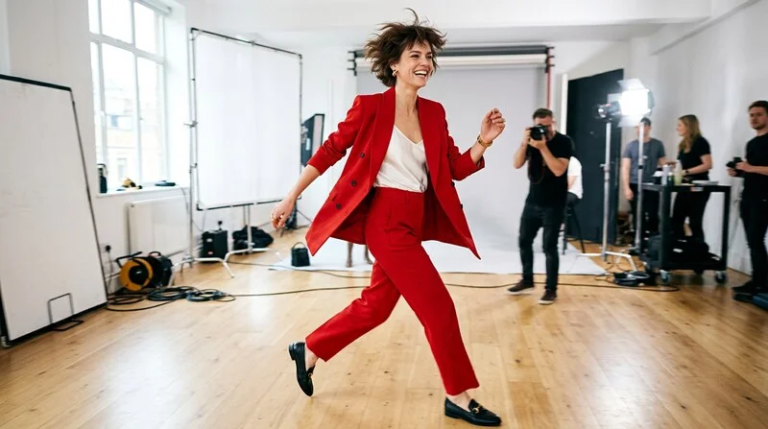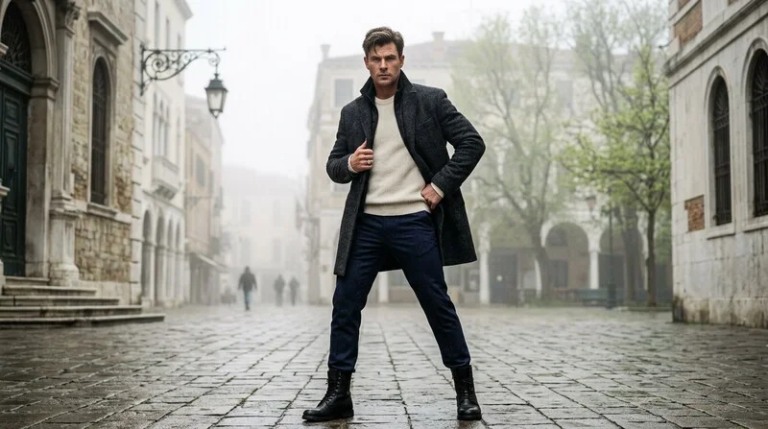
Feel like a superstar – The styles of the stars and the starlets you need to copy
614 percent — this is the increase in search queries for “Quiet Luxury Outfit” according to Pinterest Predicts, as Hailey Bieber and Sofia Richie replaced the loud logo mania of previous years. Those who want to copy star looks no longer fight against unaffordable designer prices, but against a much subtler problem: 70 percent of the supposedly “spontaneous” paparazzi street style photos are staged or placed by PR, according to WWD research. What looks like a random coffee run is actually curated sponsored content. Those who understand the logic behind it no longer copy outfits — but style principles.
Why copying star looks almost always goes wrong
The most common mistake doesn’t start with the wallet, but with thinking. Stars like Bella Hadid, Kim Kardashian, or Zendaya don’t wear outfits — they wear productions optimized by a team of stylist, tailor, lighting technician, and photographer. Anyone who translates this 1:1 into the office day or a brunch date looks costume-like, not stylish.
Stylist Law Roach, who shaped Zendaya into a style icon, works with the so-called “Rule of Three”: a maximum of three statement pieces per look — the rest is intentionally basic. That’s exactly why Zendaya’s looks are wearable, while Met Gala creations look ridiculous outside the red carpet. Rachel Zoe, who turned Nicole Richie and Lindsay Lohan into IT-girls, puts it even more harshly:
“Style is subtraction, not addition. Most women wear one piece too many — and that’s what makes the difference between copied and curated.”
Translated, this means: If you take inspiration from a Dior couture look, you don’t copy the entire ensemble, but rather one element — the silhouette, the color palette, or the key accessory. The rest you keep clean.
What celebrity stylists really do (and you should do too)
Professional stylists spend 80 percent of their time not on selecting, but on adjusting. Every designer piece is tailored to the body — pants legs shortened, waistlines re-sewn, shoulders adjusted. The often underestimated lever when copying a star look is therefore not the brand, but the tailor around the corner. A 39-euro pair of pants from NA-KD with 20 euro alteration costs beats an unshortened 600-euro pair of pants from Prada in every photo.
The Duplication Logic: Which Highstreet Brands Replace Which Designers
The second lever: targeted dupes. Not every designer piece has an equivalent counterpart — but for most star looks, there is a measurably good highstreet alternative. The key is the category: for basics, the cheaper option almost always wins, while for statement shoes and structured bags, designer is worth it.
| Star-Look-Element | Designer-Original | Highstreet-Dupe | Lohnt Investment? |
|---|---|---|---|
| Shapewear Bodysuit (Kim K) | Designers from 400 € | Skims Bodysuit approx. 62 € | No — Skims is original |
| Quiet Luxury Cashmere | Loro Piana from 1,800 € | COS, Massimo Dutti | No, if the cut fits |
| Structured It-Bag | Gucci, Prada from 2,000 € | Mango Premium, Polène | Yes, if daily use |
| Logo Sneakers | Balenciaga from 700 € | Puma, Nike | No |
| Red Carpet Heels | Louboutin from 800 € | Aldo, Steve Madden | Yes, with frequent use |
| Designer Jeans | Saint Laurent from 500 € | Premium Jeansbrands | Rarely worth it |
The most surprising entry in this table: Skims. Kim Kardashian’s own brand isn’t a copy — it’s the strategic response to the fact that the typical Kardashian silhouette with designer shapewear costing 400 euros and upwards was previously unaffordable. Today, the original offers what used to require custom tailoring or stacking Spanx for just 62 euros.
Where the copy idea ends
Saving is the worse choice in two categories: structured bags with interior compartments and leather shoes for daily use. Here, high street alternatives visibly fall apart after 6 to 12 months, while a well-maintained designer bag from Dior or Dolce & Gabbana retains or increases in value over the years. Those investing here should go for timeless models — no seasonal bags with current logo prints.
The most important style archetypes — and how to translate them
Instead of imitating a single star, it’s worth asking: Which style archetype fits your everyday life? Four categories cover 90 percent of what is considered “copy-worthy” on Instagram.
Quiet Luxury (Hailey Bieber, Sofia Richie, Gwyneth Paltrow)
Works in almost every professional environment. Key elements: Camel, Off-White, Black, Navy Blue. Materials: Cashmere, Wool Blend, Leather. No visible logos. Those starting here build from the basics — well-tailored pants, simple sweater, a high-quality bag. The DKNY minimalism of the early 2000s is a perfect template for this.
Maximalism & Print (Doja Cat, Julia Fox, Iris Apfel)
Wearable only with the Rule of Three: One animal print, a bold color, a statement jewelry piece — the rest should be subtle. Those who mix everything at once end up on the “Worst Dressed” list instead of the red carpet.
Athleisure & Sportluxe (Kendall Jenner, Bella Hadid)
The underestimated everyday look. Not gym pants with a T-shirt, but: slim sweatpants, crop tank, oversized blazer, white sneakers. Nike or Puma provide basics, the blazer defines the style.
Rockabilly & Retro (Dita von Teese, Lana Del Rey)
The most timeless look of all — has been working for 70 years. Anyone who wants to seriously wear the rockabilly look invests in pencil skirts, cat-eye liner, and red lips, not in costume.


The Star-Look Checklist for Everyday Life
Before a look leaves the house, a few tough questions should be answered. Stylists like Karla Welch (Justin Bieber, Tracee Ellis Ross) use similar mental checklists:
- ✓ Is at most one statement piece visible in the outfit?
- ✓ Does every piece fit the body — or does one need to be adjusted?
- ✓ Does the look work without filters, without Photoshop, in daylight?
- ✓ Would I still wear this look in 5 years without shame?
- ✓ Are shoes and bag coordinated (material, not color)?
- ✓ Have I reduced logos to a maximum of one visible spot?
- ✓ Does the outfit match the occasion — or only the mirror?
Who checks off all seven points has a look that is closer to professional styling than to costume party. Inspiration for season-transcending cuts also comes from a look at the Fashion Week Milan — there the silhouettes are set that twelve months later circulate as “Star-Look” on Instagram.
Why the series effect is stronger than the red carpet effect
An often overlooked point: The biggest measurable influence on purchasing behavior comes not from the red carpet, but from the screen. After the start of “Sex and the City,” Manolo Blahnik sales rose by 45 percent according to NPD Group. “Emily in Paris” caused sales of Pimkie and Pimkie-like berets to explode. “Euphoria” made glittering eye shadow from ZOEVA and similar brands a mass phenomenon.
The lesson: Those who really want to know what is wearable in everyday life don’t look at galas, but at TV characters. A Carrie Bradshaw or Emily Cooper wears outfits that have to work on set — meaning several hours, on real streets, without a crew following every step. Exactly this wearability is what most followers are looking for, without knowing it.
Where you can buy real star style
Instead of despairing over online sales, a structured approach is worthwhile. Zalando covers the premium mid-range, from Diesel to curated designer drops. For pure luxury research, Luxury Shopping in New York or the New York Fashion Scene are the best schools. Those seeking a comprehensive overview: The overview of all fashion brands A–Z sorted by letters — for example brands with D, N, P or Z.
Men who want to copy star looks develop their own logic: street style from A$AP Rocky or Pharrell works differently than female red-carpet looks — more layering, more sneaker culture, more prints. One starting point is the Men’s Fashion Overview.
From Copying to Personal Style
The actual endpoint of any star style research is not the perfect imitation, but the moment when you no longer need it. Karl Lagerfeld put it succinctly — and his fashion quotes remain required reading for everyone who takes style seriously:
“Trends come and go. Style remains. Those who copy stars learn the vocabulary of fashion. Those who find their own style write sentences that no one else writes.”
Who dares to make the leap from copying to curating typically goes through three phases: first pure imitation, then the selective adoption of individual elements, finally the free combination. Those who think even further ahead — such as wanting to go in front of the camera themselves — will also find everything on the topic of becoming a model, from model applications through casting to model jobs and international modeling in New York, London, and Paris. A fashion show or the GNTM seasons also provide visual material — those interested in investments beyond fashion can also take a look at Painit as a gemstone investment.
The Most Important Things at a Glance
- − Rule of Three: a maximum of three statement pieces per look
- − 70 % of “spontaneous” street style photos are PR-staged
- − Tailor beats brand name — fit over logo
- − Skims, COS, Polène seriously replace most designer dupes
- − Invest in shoes and structured bags, save on basics
- − Series influence style more measurably than galas
- − The end goal is not imitation, but your own style

Infused Kitchen at FIV: The new cannabis cooking portal
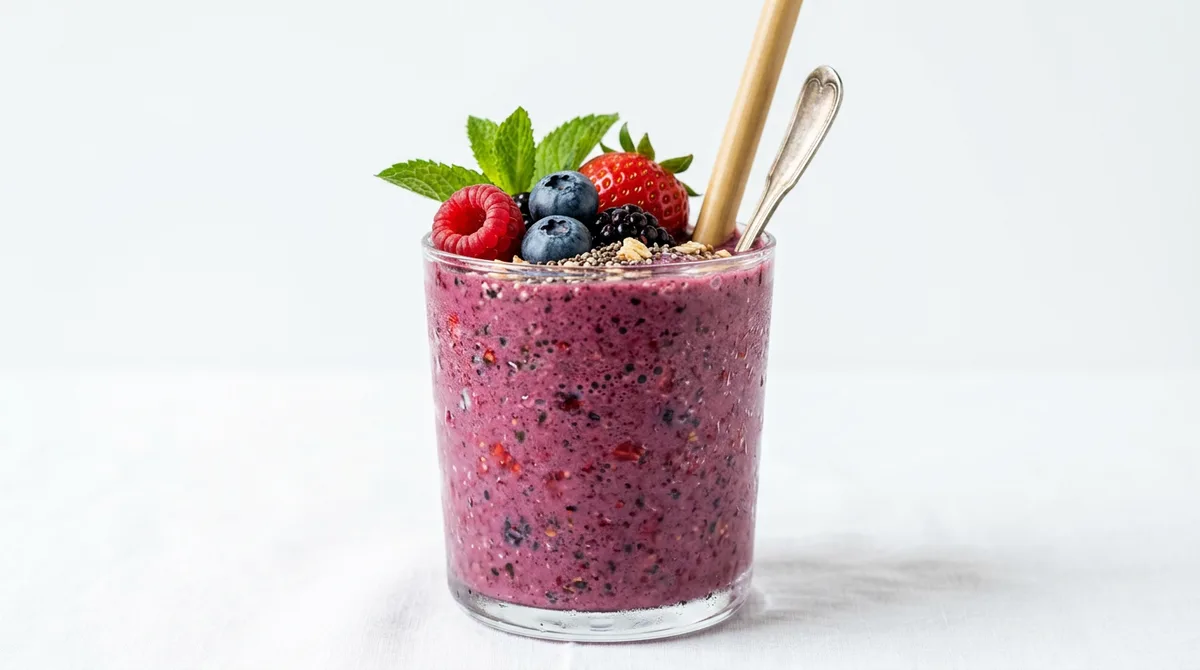
Cannabis Drinks: Smoothies, Tea, Golden Milk & Recipes
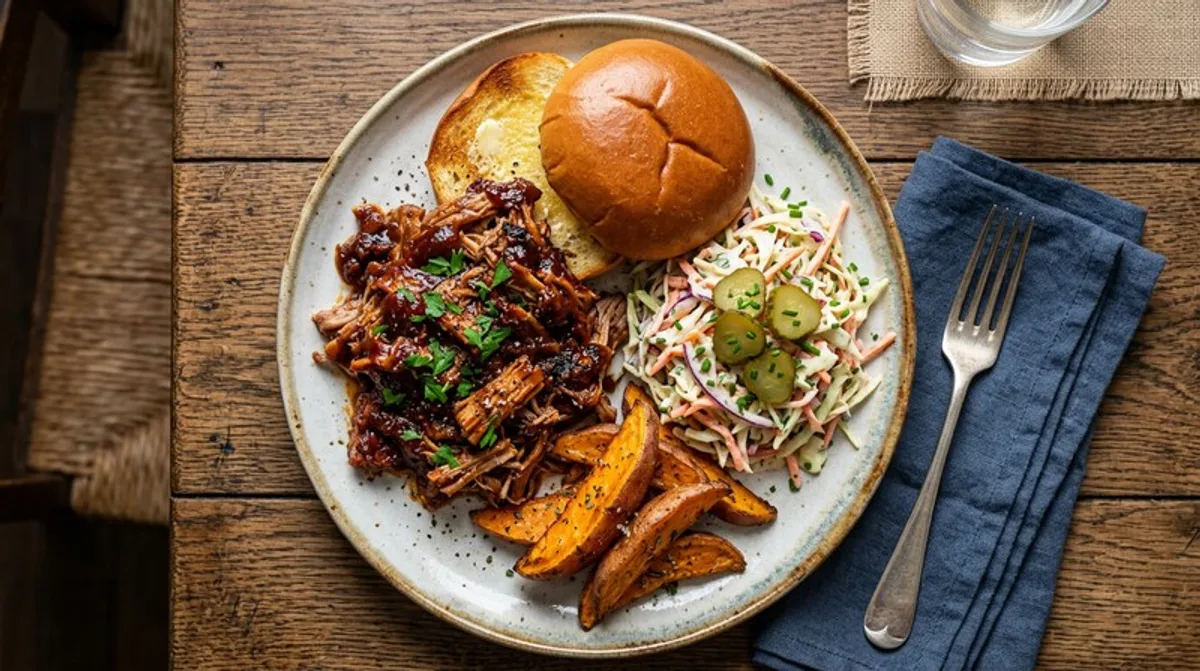
Cannabis Grillen: BBQ, Marinaden & Rezepte für den Sommer
Infused Kitchen: Cannabis recipes for baking, cooking, grilling & drinks

Social Media Ads: More Sales Through Targeted Online Marketing
Career start after studies: What recruiters are really looking for