Pomeranian colors: All coat colors of the Pomeranian at a glance
The Pomeranian is one of the most colorful dog breeds of all. Whether classic orange, snow white or two-tone spotted – the Pomeranian colors are officially recognized by the FCI standard and range from single-coloured to rare multicoloured variants. More about character and care in the large Pomeranian overview.
All recognized Pomeranian colors at a glance
The FCI standard (Fédération Cynologique Internationale) recognizes a wide range of coat colors for the German Spitz – to which the Pomeranian / Miniature Spitz belongs. These colors are relevant for breeding and are decisive at shows.
Solid Pomeranian colors
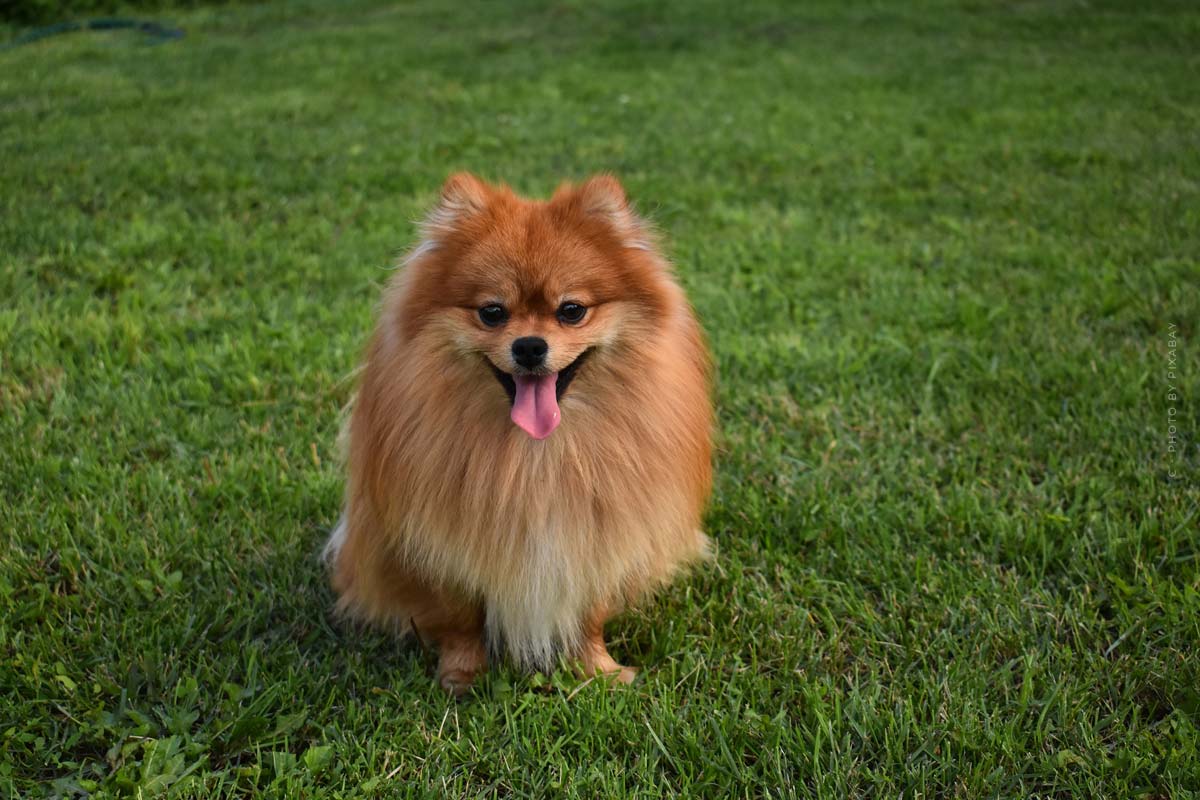
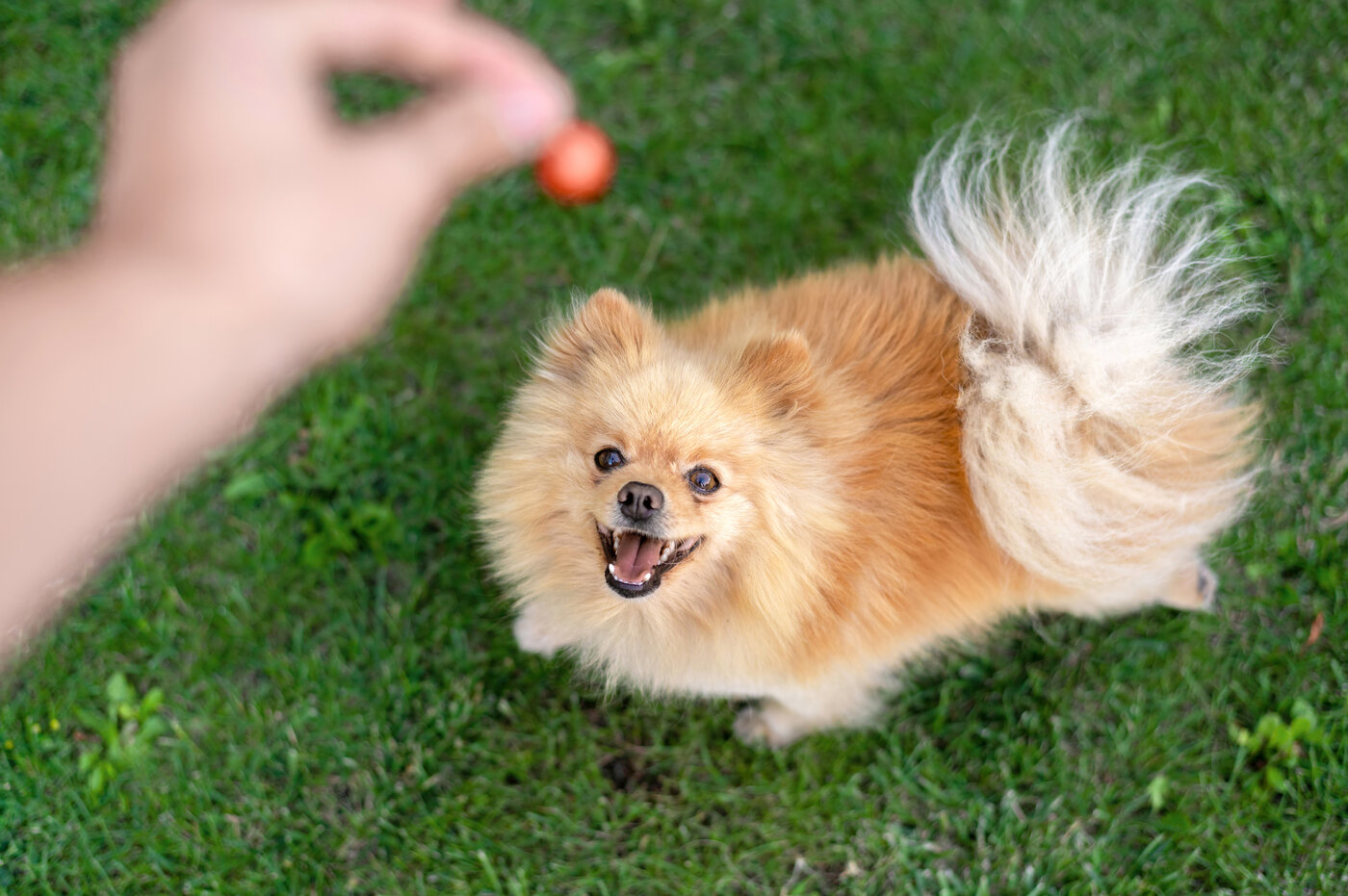
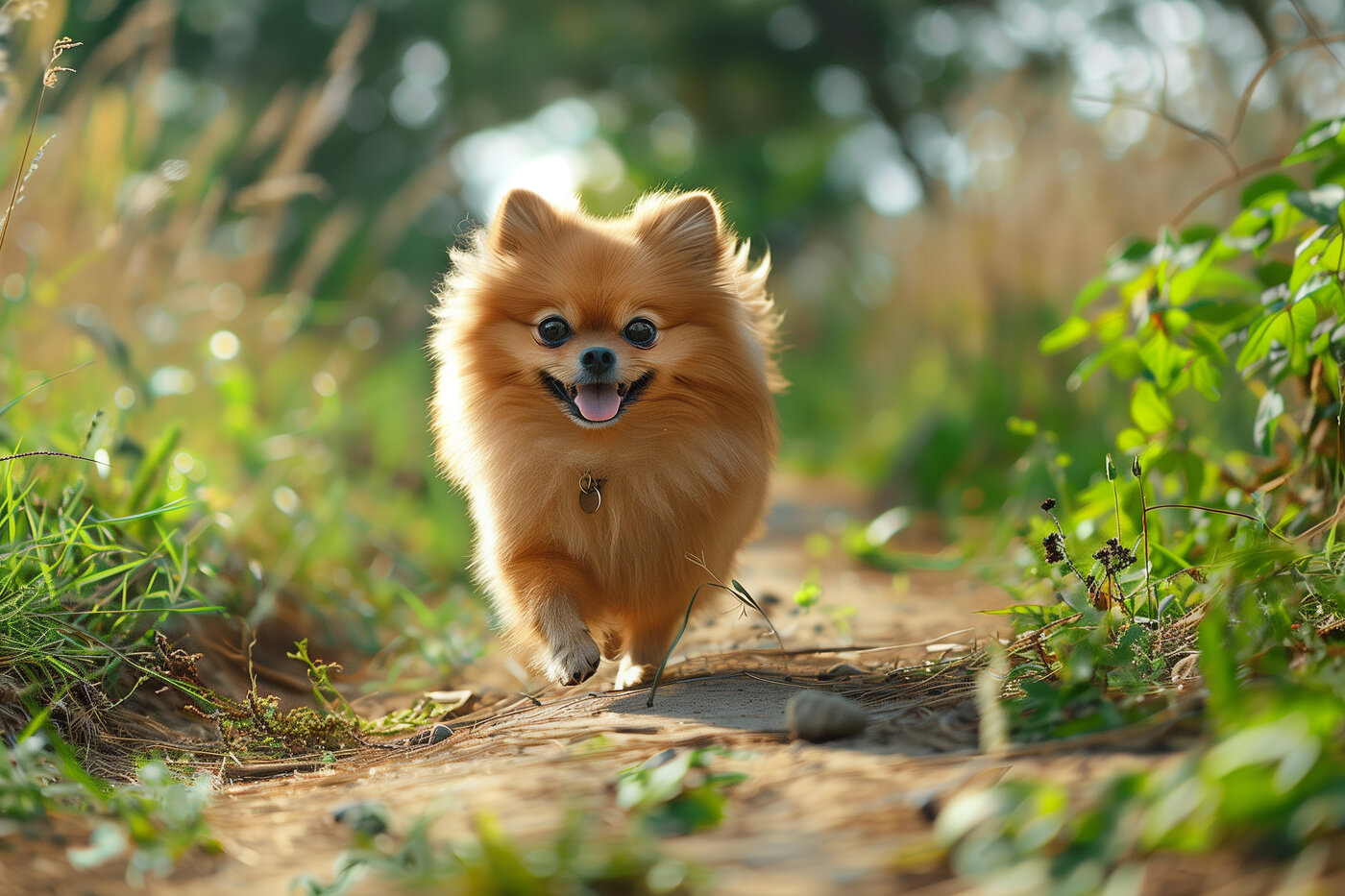
- Orange / Orange-Sable: The best known and most common color. The coat is bright orange to golden brown, often with dark hair tips (sable effect). Typical of the classic Pomeranian look.
- White: Pure white without any yellowish tint. One of the most popular colors – and one of the most difficult to keep in breeding, as puppies are often born cream-colored.
- Black: Deep black, without brown or reddish tint. Rare, but very striking.
- Brown / chocolate: Medium to dark brown, uniform over the entire coat. The nose and eyelids are pigmented brown to match.
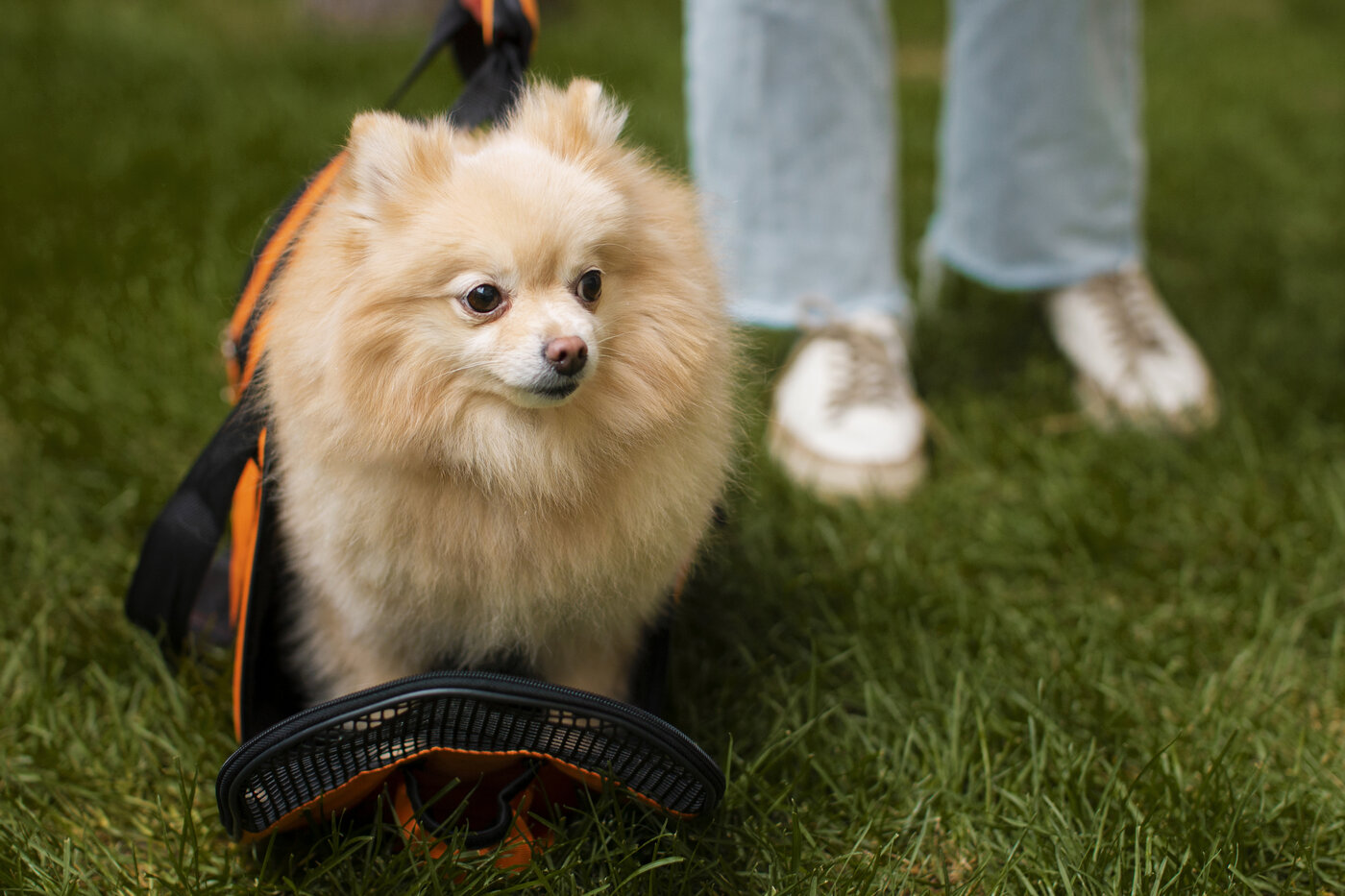
- Cream: Very light beige to ivory. Often difficult to distinguish from white – the difference lies in the undercoat and under direct light.
- Blue / Blue-Sable: A rare blue-grey due to dilution of the black pigment. Highly sought after and correspondingly more expensive to breed.
- Wolf-Sable / Grey-Sable: Grey base color with dark hair tips. Reminiscent of the original Spitz type.
Two-tone and merle variants
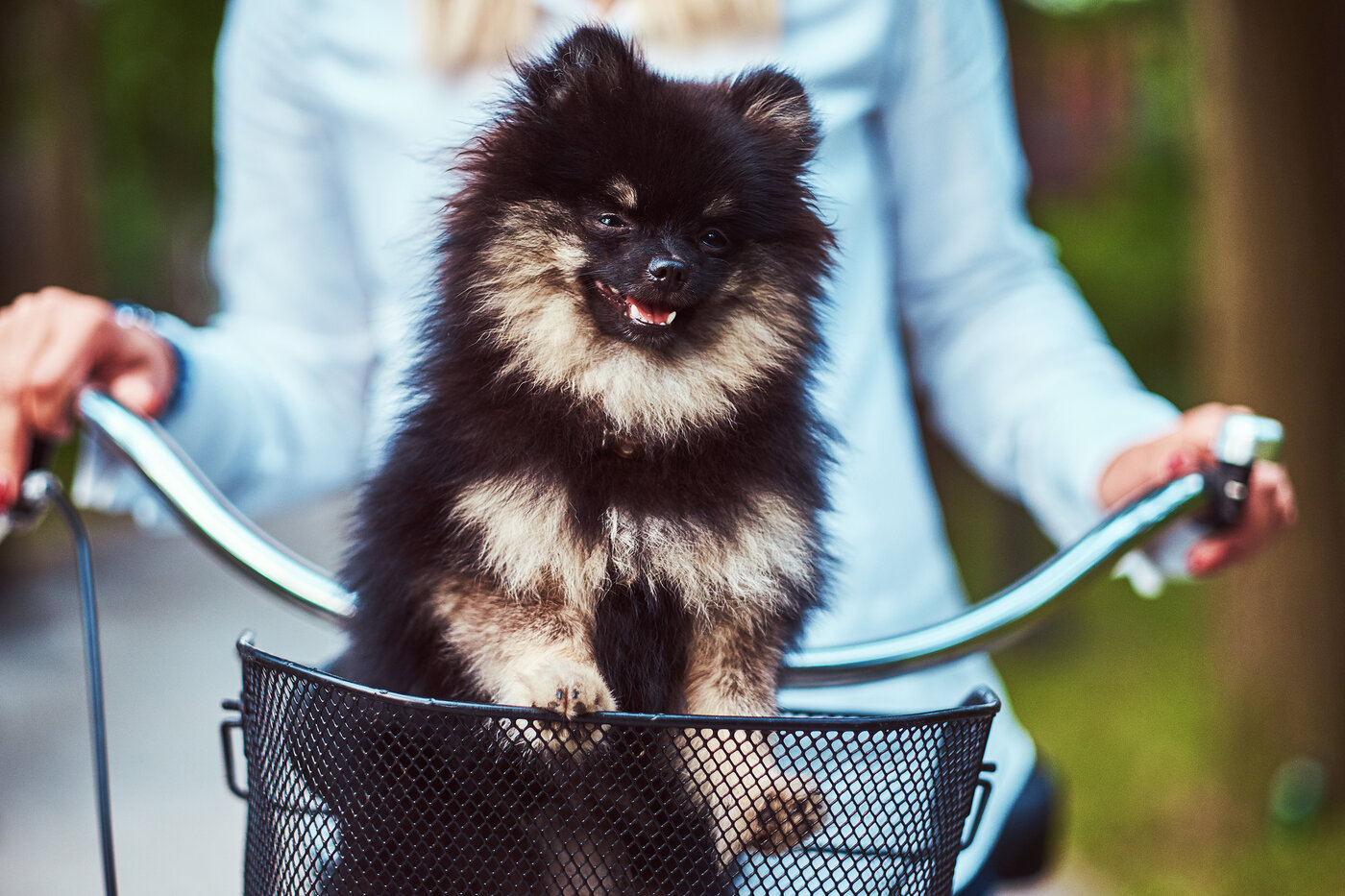
- Black & Tan: Black base coat with brown-red markings over the eyes, on the chest and on the paws.
- Pinto (Parti-Color): White base color with colored patches in orange, black or brown. Not permitted everywhere, but very popular.
- Merle: A speckled pattern due to the merle gene. Controversial in serious breeding, as double merle bred dogs can develop health problems.
Which color is the rarest?
The rarest Pomeranian colors are blue, lavender (dilution of brown) and pure white without a yellowish tint. Rare colors fetch higher prices in breeding – if you want to buy a blue Pomeranian, you will pay considerably more than for the classic orange.
Does the color change with age?
Yes – and this is particularly pronounced in Pomeranian puppies. Many puppies are born with a color that changes completely over the course of the first 12-18 months. Breeders know this phenomenon as Puppy Uglies – the phase around the 3rd to 7th month when the puppy fluff falls out and the adult coat grows in. The final color is only stable after about 18 months.
Which color is the healthiest?
From a health point of view, there are no differences between the standard colors. However, care must be taken with merles: the merle gene can lead to vision and hearing problems in dubious breeders. Reputable breeders genetically test their Merle breeding animals.
Pomeranian in video
Buy Pomeranian: Prices, breeders & costs at a glance
Pomeranian training: tips for puppies and adult Pomeranians
Retinol: effect, application and the best products for radiant skin
Hair care: hair care tips, hair care routine, & more
Facial care: Facial cleansing, facial care routine & tips
Camping online shops: 9 shops and outlets for tents, accessories, furniture & Co.