
Cannabis for social anxiety: CBD & social phobia
- Bergamaschi 2011 (RCT): CBD 600 mg halved anxiety, cognitive impairment and stress
- Optimal dose: 300 mg CBD – the U-curve shows: 600 mg is LESS effective than 300 mg
- THC contraindicated for social anxiety – increases amygdala activation and paranoia
Social anxiety disorder and the ECS
Social anxiety disorder (SAD) is one of the most common anxiety disorders with a lifetime prevalence of 12%. It is characterized by intense anxiety in social situations, fear of negative evaluation and often with avoidance behavior. The ECS modulates via CB1 in the amygdala and prefrontal cortex – precisely the areas of the brain that are over-activated in SAD.
Social anxiety is the best clinically studied area of application for CBD in psychiatry:
Bergamaschi et al. 2011 (Neuropsychopharmacol): RCT, n=24, patients with SAD. CBD 600 mg vs. placebo before simulated public speaking (Public Speaking Test – SPST). CBD significantly reduced anxiety, cognitive impairment and discomfort when speaking vs. placebo. Physiological: normalized heart rate increase and blood pressure response.
De Aquino et al. 2020 (Neuropsychopharmacol): Extended SPST design, CBD 300 mg. Confirmed anxiolytic effect; determined U-shaped dose-response curve: 300 mg optimal, 150 mg and 600 mg less effective.
Linares et al. 2019 (Front Pharmacol): Healthy volunteers, sleep + anxiety under stress. CBD 300 mg showed significant anxiolytic effect vs. placebo.
While CBD consistently reduces social anxiety, THC is problematic for SAD:
– THC increases anxiety and paranoia in medium to high doses
– Social situations are subjectively perceived as more threatening
– Cannabis users with SAD have a higher risk of panic attacks in groups
Recommendation for SAD: CBD isolate or broad spectrum without THC. Full-spectrum products with THC can worsen SAD symptoms.
5-HT1A agonism: CBD activates serotonin 5-HT1A receptors – same mechanism as buspirone (anxiolytic drug). In the hippocampus and dorsal raphe nucleus relevant for social anxiety.
Amygdala modulation: CBD reduces amygdala activation in response to anxiety-inducing stimuli (fMRI study Bhattacharyya et al. 2012). Amygdala hyperactivation is a core finding in SAD.
Hippocampal neurogenesis: Chronic CBD promotes adult neurogenesis in the hippocampus – similar to SSRIs. Long-term anxiolysis through neuroplastic effect.
Situational intake (before social situations):
– CBD 300 mg sublingual, 60-90 minutes beforehand
– Ideal for: Presentations, dating, social events, public speaking
Daily continuous therapy:
– CBD 150-300 mg daily as adjuvant therapy to psychotherapy
– No substitute for CBT (cognitive behavioral therapy) – the gold standard treatment for SAD
Summary
CBD for social anxiety disorder is one of the best documented cannabis indications: two RCTs (Bergamaschi 2011, De Aquino 2020) show significant anxiolysis in SAD patients. Optimal dose: 300 mg CBD (U-curve). Mechanism: 5-HT1A agonism + amygdala modulation. THC contraindicated in SAD – exacerbates paranoia. CBD isolate or broad spectrum without THC. Cannabis for anxiety disorder for generalized anxiety; CBD dosing guide for anxiety dosing.
Cannabis for back pain: CBD, THC & intervertebral discs
Cannabis for Crohn's disease: CBD, remission & studies
Cannabis for restless legs: CBD, dopamine & studies
Cannabis & bones: CB2, osteoporosis & bone healing
Cannabis & testosterone: effect on male fertility
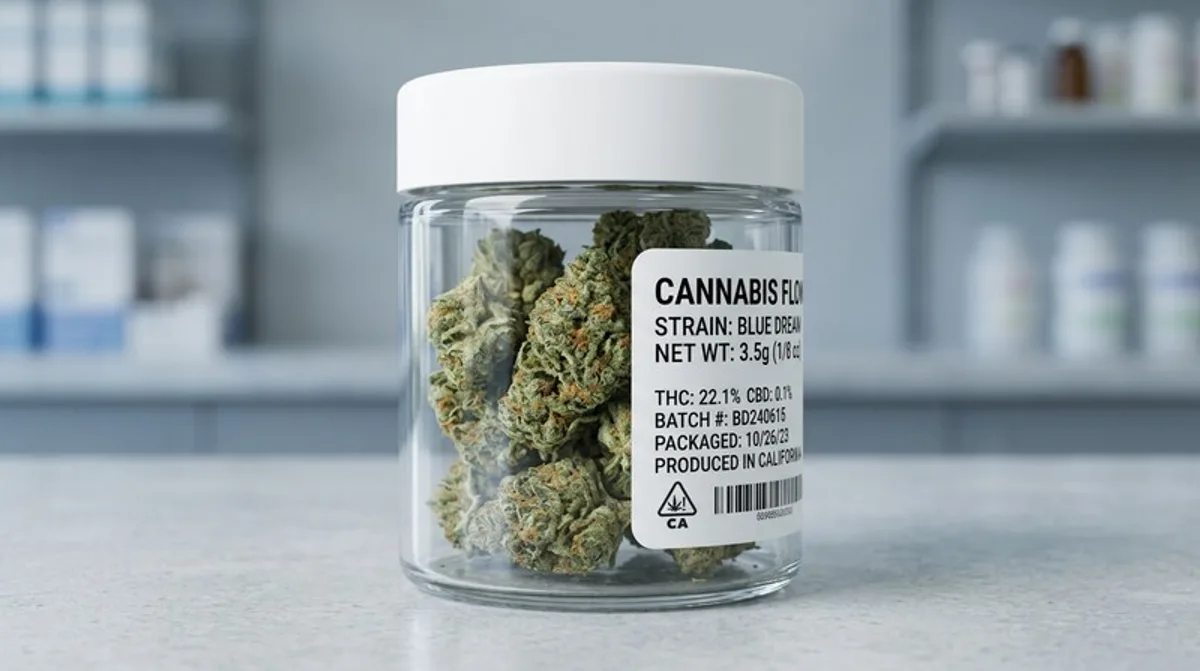
Cannabis quality: laboratory tests, pesticides & contamination



Leave a Reply
Want to join the discussion?Feel free to contribute!