Delta-8-THC & Delta-10-THC: Effect, difference & law
- Delta-8-THC hardly occurs naturally in plants – almost all products are produced synthetically
- FDA 2021: dangerous impurities (isomers, acid catalysts, heavy metals) detected
- In Germany legally = narcotic – no legal THC, no gray area
Delta-8-THC: What is it?
Delta-8-THC (Δ8-THC) is a naturally occurring cannabinoid that is structurally closely related to the classic delta-9-THC (Δ9-THC). The difference: the double bond is located on the eighth instead of the ninth carbon atom. This small structural difference has pharmacological consequences.
Delta-8-THC is only found in trace amounts (< 0.1%) in the cannabis plant. Commercially available delta-8 products are almost exclusively produced synthetically from CBD by isomerization – which raises toxicological questions.
Delta-8 vs. Delta-9 vs. Delta-10: Pharmacological comparison
| Cannabinoid | CB1 affinity | Strength of effect (vs. Δ9) | Psychoactivity | Natural content in cannabis |
|---|---|---|---|---|
| Delta-9-THC (standard) | Ki = 35-80 nM | 100 % (reference) | High | 10-30 % in high potency varieties |
| Delta-8-THC | Ki = 44-100 nM | ~50-70 % | Medium – less anxiety/paranoia | <0.1 % (traces) |
| Delta-10-THC | Weaker than Δ8 | ~20-30 % | Light – rather activating | <0.01 % (traces) |
| THCV (Delta-9-THCV) | Partial antagonist (low), agonist (high) | Biphasic | Low to medium | 0.1-6 % in certain varieties |
Why Delta-8 is marketed as “milder THC”
Delta 8 THC users often report less anxiety and paranoia than with delta 9 THC. This has a neuroscientific basis:
Delta-8 activates CB1 with lower intrinsic activity (lower efficacy) than delta-9 – it is a weaker partial agonist. This could explain the different side effect profile. However, there are hardly any clinical comparative studies.
Manufacturing risks: Synthetic Delta-8
Since natural delta-8 only occurs in traces in cannabis plants, it is produced commercially by chemical isomerization of CBD. This produces potentially problematic by-products:
– Unknown isomers (Δ4, Δ6, Δ7-THC as synthesis by-products)
– Acid catalysts as residues (hydrochloric acid, p-toluenesulfonic acid)
– Heavy metals from uncontrolled synthesis processes
An FDA analysis (2021) found some significant impurities in Delta 8 products. This is a safety risk, especially in an unregulated market.
Legal situation in Germany
Delta-9-THC: narcotic (BtMG Annex III for medical cannabis); regulated recreationally by CanG (max. 25 g in possession).
Delta-8-THC: falls under the BtMG if it is isolated from cannabis or produced synthetically and has a psychoactive effect. Legally no clear “legal gray area” in Germany – the classification follows the psychoactive effect and the production method. Caution: Many online offers are illegal.
Delta-10-THC: Same classification as Delta-8 – psychoactive = BtMG-relevant.
Medical relevance: Is there a benefit?
Delta-8-THC was investigated in an early study (Abrahamov et al. 1995) as an antiemetic agent in children with cancer: 480 mg/m² orally in 8 children with antineoplastic chemotherapy. Result: complete suppression of vomiting in all cases, no reported side effects. This historical study is pharmacologically interesting, but methodologically weak.
Cannabis quality & laboratory tests - Comparison of forms of consumption
FAQ: Delta-8-THC and Delta-10-THC
Summary
Delta-8-THC is a weaker CB1 agonist than Delta-9-THC with a potentially more favorable side effect profile (less anxiety). Commercially produced almost exclusively synthetically from CBD – with risks of contamination. Legally classified as a narcotic in Germany. Delta-10-THC is even weaker and equally regulated. For medical use, certified delta-9-THC and CBD preparations remain the standard. CBD vs. THC for the basics; Legal situation cannabis Germany for current laws.

Cannabis for social anxiety: CBD & social phobia
Cannabis for restless legs: CBD, dopamine & studies
Cannabis & bones: CB2, osteoporosis & bone healing
Cannabis & testosterone: effect on male fertility
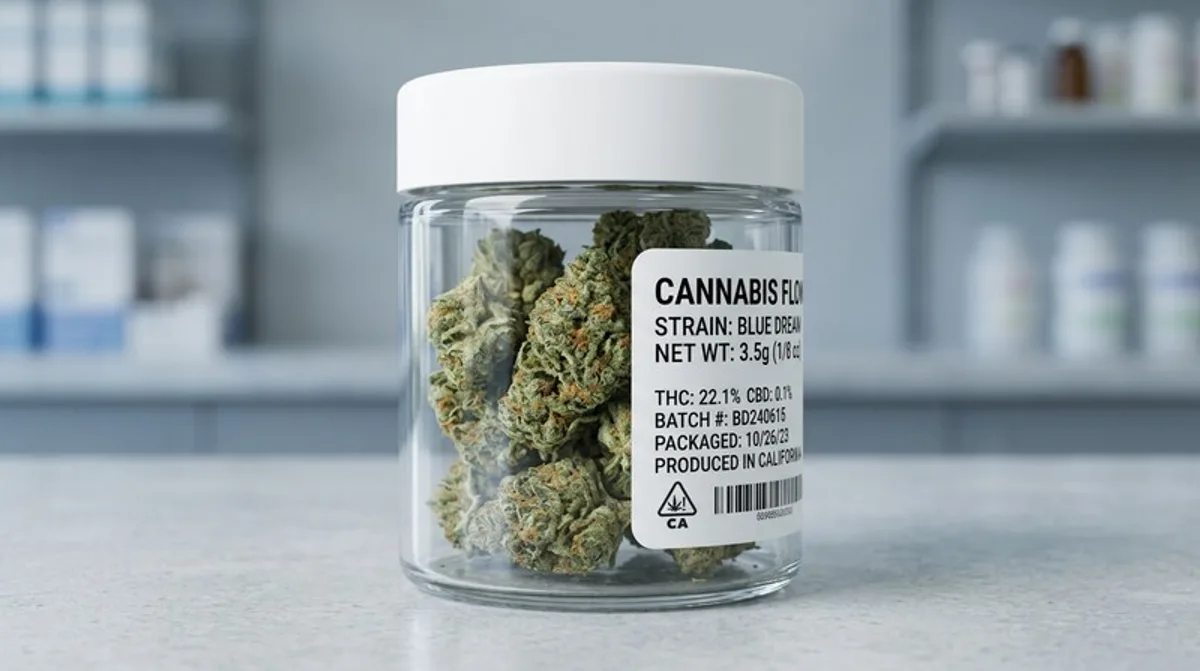
Cannabis quality: laboratory tests, pesticides & contamination

Retinol: effect, application and the best products for radiant skin



Capsule wardrobe style: What does capsule wardrobe mean? Minimalist look

French Chic Style: What does French Chic mean? Ladies, gentlemen, outfits!

Vintage style: What does vintage mean? Women, men, outfits! Timeless charm

Preppy style: What does preppy mean? Ladies, gentlemen, outfits! Looks from the elite universities
