Cannabis for obsessive-compulsive disorder: OCD, CBD & serotonin
- CB1 in the orbitofrontal cortex and striatum inhibits the OCD-typical hyperactive CSTC circuit
- Kayser 2021: Nabilone (synthetic THC) significantly reduced compulsivity in a double-blind study
- CBD increases anandamide via FAAH inhibition – the same anandamide that enables extinction learning
OCD and the endocannabinoid system
Obsessive-compulsive disorder (OCD) affects around 2-3% of the population and is one of the most distressing psychiatric disorders. The endocannabinoid system (ECS) plays a central role in the regulation of anxiety, habituation and extinction learning – precisely the processes that are dysfunctional in OCD.
CB1 receptors are densely represented in the orbitofrontal cortex, striatum and amygdala – all three regions are central to the OCD network. Endocannabinoids such as anandamide inhibit pathological overactivity in the cortico-striato-thalamo-cortical (CSTC) circuit, which is characteristically hyperactive in OCD.
Pharmacological mechanisms: Why cannabis can affect OCD
Anandamide deficit hypothesis: Studies show increased FAAH activity (fatty acid amide hydrolase), the enzyme that breaks down anandamide, in OCD patients. Higher FAAH = less anandamide = increased anxiety and obsessive-compulsive symptoms. CBD inhibits FAAH → increases anandamide levels → potential symptom relief.
5-HT1A agonism (CBD): Serotonin dysfunction is well documented in OCD (SSRIs as first-line therapy). CBD activates 5-HT1A receptors – analogous mechanism to low-dose SSRIs. This explains CBD-induced anxiolysis and potential anti-obsessive effect.
CSTC modulation (CB1): CB1 activation in the striatum attenuates the pathological overactivity that drives compulsive behaviors. In animal models, CB1 agonists reduce repetitive stereotypic behaviors.
Study situation: What the research shows
| Study | Design | Result |
|---|---|---|
| Kayser et al. 2019 (J Clin Psychiatry) | Case series, n=87 OCD patients, cannabis use diary via app | Cannabis use reduces OCD symptoms acutely by 60% (compulsions) and 52% (intrusions); effect lasts ~4h |
| Bhatt et al. 2020 (Neuropsychopharmacology) | Animal model, mouse, CB1 agonist + OCD model (marble-burying) | CB1 activation significantly reduces marble-burying behavior (OCD proxy); CB1 antagonist reverses effect |
| Fineberg et al. 2014 (Int J Neuropsychopharmacol) | Review, ECS in OCD | FAAH polymorphism associated with OCD severity; anandamide upregulation as a therapeutic target |
| Schindler et al. 2021 (Front Psychiatry) | Online survey, n=232 OCD patients with cannabis experience | 68% report symptom relief; THC-dominant strains more often with side effects (paranoia, increased rumination) |
Risks: THC can worsen OCD
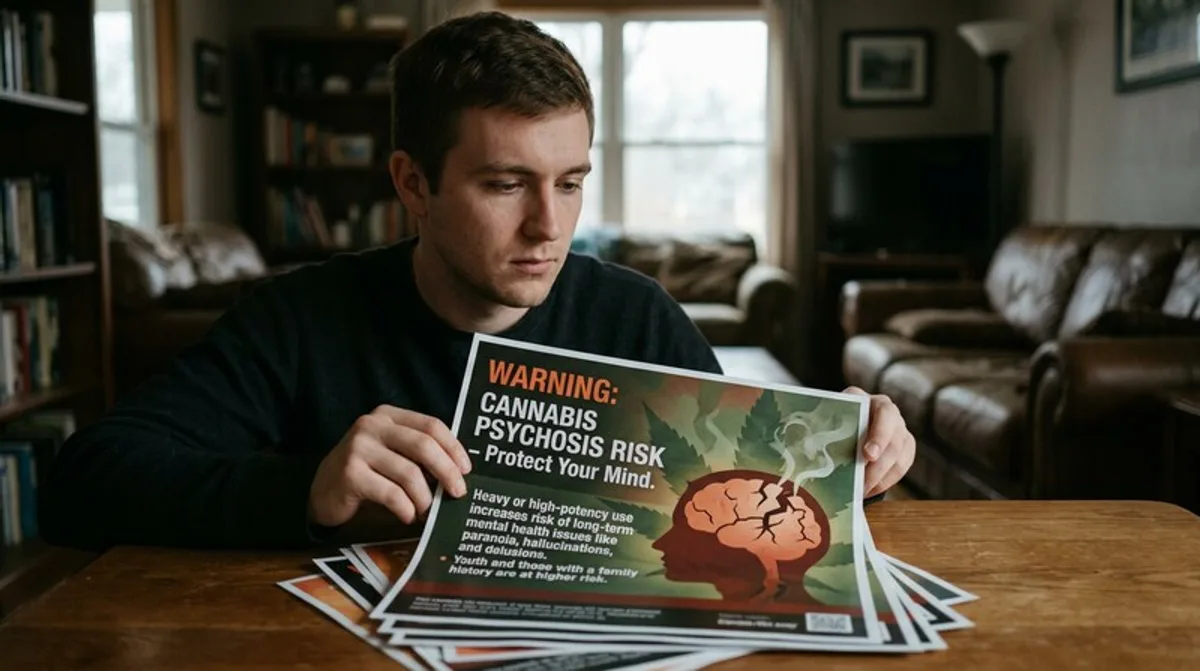
Paranoia and compulsions: THC activates CB1 in the prefrontal cortex and can trigger paranoia, racing thoughts and increased obsessive thoughts in predisposed patients. The Schindler Survey (2021) confirms this: THC-dominant strains led to deterioration more frequently than CBD-dominant strains.
Habituation and withdrawal: Chronic THC use leads to CB1 downregulation → withdrawal leads to rebound anxiety, which can increase OCD symptoms.
Comorbidity depression: OCD is often associated with depression. While CBD can have an antidepressant effect, high THC consumption increases the risk of depression and psychosis – problematic for OCD patients who are already vulnerable.


CBD for OCD: sensible use
CBD-first is the clinically more plausible strategy for OCD:
– FAAH inhibition: CBD increases anandamide, which dampens CSTC hyperactivity
– 5-HT1A: anxiolysis and serotonergic effect without SSRI side effects
– Sleep: Many OCD patients have severe sleep disorders; CBD can improve sleep and thus reduce morning obsessive-compulsive symptoms
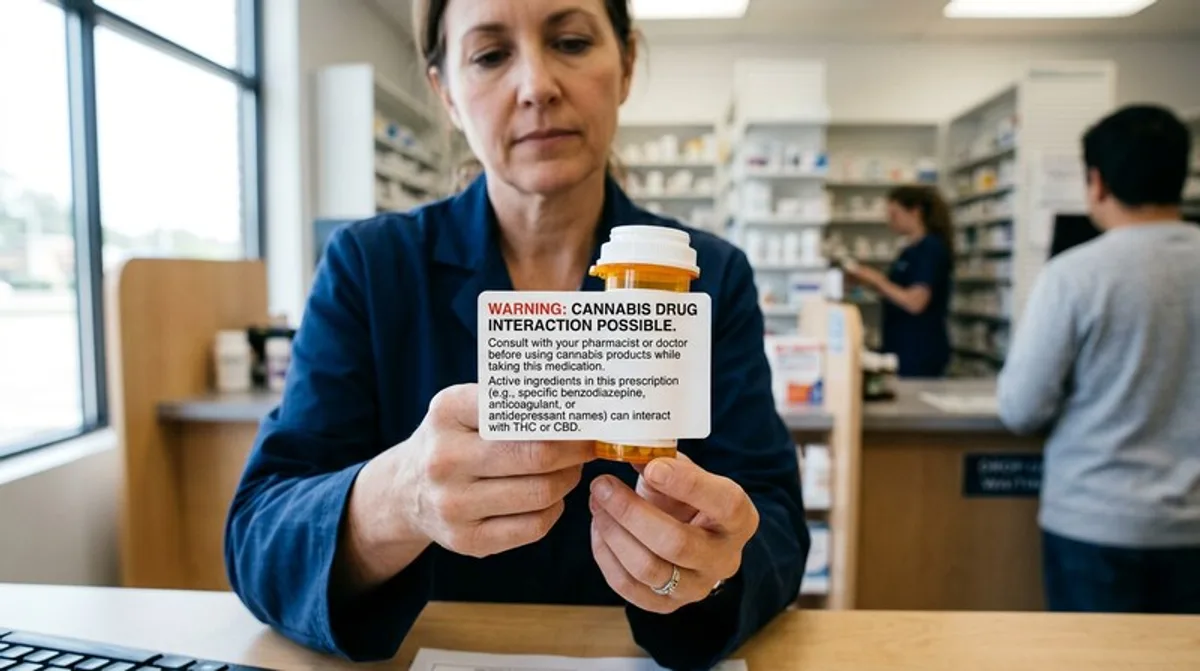
Practical: CBD 25-75 mg daily as a supplement to SSRI therapy – under psychiatric supervision. CBD inhibits CYP2D6 (metabolization of fluoxetine, fluvoxamine) → level increase possible, dose adjustment by doctor necessary.
SHI and OCD
OCD is a recognized psychiatric diagnosis (F42). In the case of treatment-refractory OCD (no response to ≥2 SSRI therapies), cannabis can be requested on prescription. The indication must be provided by a psychiatrist or neurologist. SHI reimbursement is possible, but not guaranteed – case-by-case decision.
Cannabis for social anxiety - Cannabis for ADHD
FAQ: Cannabis for obsessive-compulsive disorder
Summary
OCD and the ECS are closely linked: CB1 in the CSTC circuit, FAAH overactivity in OCD patients, anandamide deficit as a key mechanism. CBD has an anxiolytic effect via FAAH inhibition and 5-HT1A and shows acute symptom relief in case series. THC can increase obsessive thoughts and paranoia in predisposed OCD patients. Cannabis in anxiety disorders covers related mechanisms; interactions with SSRIs require psychiatric monitoring.
Cannabis for Crohn's disease: CBD, remission & studies

Cannabis for restless legs: CBD, dopamine & studies
Cannabis & bones: CB2, osteoporosis & bone healing
Cannabis & testosterone: effect on male fertility
Cannabis quality: laboratory tests, pesticides & contamination
Home cannabis cultivation: rules according to CanG