
Cannabis for Migraine: CB1, CGRP & Studies
- THC inhibits CGRP – the same target as migraine biologics (Aimovig, Emgality)
- Rhyne 2016 (n=121): −56% migraine frequency with medical cannabis
- CECD hypothesis: migraine could be an endocannabinoid deficiency syndrome (Russo 2004)
Migraine and the Endocannabinoid System
Migraine is one of the most common neurological disorders worldwide – around 15 percent of the population in Germany alone is affected. The endocannabinoid system (ECS) plays a central role in pain modulation and neurotransmitter regulation, both of which are crucial in the development of migraine.
CB1 receptors are found in high density in the trigeminovascular system – the core pathway of migraine physiology. The trigeminal neuropeptide CGRP (calcitonin gene-related peptide) is the most important vasoactive mediator of a migraine attack: THC and other cannabinoids inhibit CGRP release from trigeminal nerve endings via CB1 activation, which has a direct antinociceptive effect.
In addition, the ECS modulates serotonin release (similar to triptans), dampens cortical spreading depression (CSD) – the electrophysiological origin of migraine aura – and regulates central sensitization in the trigeminal nucleus caudalis.
Clinical Study Overview
| Study | Design | Result |
|---|---|---|
| Rhyne et al. 2016 (Pharmacotherapy) | Retrospective, n=121 migraine patients, medical cannabis | Migraine frequency from 10.4 to 4.6/month (−56%); 85% relief of acute attacks |
| Aviram & Samuelly-Leichtag 2020 (J Pain Res) | Prospective, n=145, inhalation/oil | Migraine: −55.5% intensity; pain overall: −64%; side effects 12% |
| Baron 2018 (Headache) | Review, medical evidence | Endocannabinoid deficiency theory (CECD) as a possible migraine mechanism |
| Pini et al. 2012 (Neurol Sci) | Oral THC/CBD, n=48 chronic migraine | THC 200 mg/day: pain reduction similar to amitriptyline 25 mg/day; better tolerability |
CECD: The Endocannabinoid Deficiency in Migraine
Ethan Russo coined the hypothesis of Clinical Endocannabinoid Deficiency (CECD) in 2016: in chronic migraine, fibromyalgia and irritable bowel syndrome, reduced anandamide levels are found in the cerebrospinal fluid. These three conditions share a common pathophysiology of central sensitization and tone regulation – and all three respond empirically to cannabinoids.
Anandamide inhibits trigeminal activation: exogenous cannabinoids such as THC could compensate for this deficiency, which would explain the clinical observation that cannabis reduces attack frequency more strongly in chronic migraine patients than in episodic migraine.
THC vs. CBD: Different Mechanisms of Action
THC (acute use): CB1 agonism directly inhibits CGRP and substance P, reduces vasogenic inflammation, dampens nausea via CB1 in the chemoreceptor trigger zone. Onset of action with inhalation 5–10 minutes – relevant for the acute phase.
CBD (prevention): FAAH inhibition → increased anandamide; 5-HT1A agonism (similar to triptans); TRPV1 desensitization dampens nociceptive afferents; GPR55 antagonism inhibits CSD spread. CBD works more preventively than acutely.
Entourage effect: The 1:1 THC/CBD ratio (as in Sativex) shows better tolerability in studies than pure THC – CBD mitigates THC-induced anxiety and could exert additional migraine-specific effects via adenosine reuptake inhibition.
Practical Application and Dosage
Acute use: Inhalation (vaporizer, 170–185°C) allows the fastest onset of action. 1–2 puffs of a THC-rich strain (>15% THC, myrcene/linalool terpene profile) at the onset of prodrome or aura. Early application is crucial – effectiveness decreases once the pain has fully developed.
Prevention: CBD oil 25–75 mg daily (sublingual intake), possibly supplemented with low-dose THC in the evening (0.5–2.5 mg). Study data show onset of effect after 4–8 weeks of continuous use.
Health insurance coverage: Migraine is a recognized indication for medical cannabis when conventional therapies (beta-blockers, topiramate, CGRP antibodies) have failed. The application is made through a neurologist with a pain clinic affiliation.
Contraindications and Risks
Cannabis-induced headache (rebound): Chronic high-frequency cannabis use can paradoxically increase headache frequency – a mechanism analogous to medication-overuse headache (MOH). The empirical threshold is more than 15 days of use per month.
Trigger risk: Smoking cannabis (as a cigarette) can act as a migraine trigger due to hypoxia and carbon monoxide – a vaporizer completely avoids this problem.
Interactions: Cannabis and triptans jointly influence serotonergic tone; combining them may increase the risk of sedation. CYP interactions with valproate/topiramate (CYP2C19) must be taken into account.
FAQ: Cannabis for Migraine
Summary
Cannabis inhibits CGRP release via CB1 in migraine, modulates serotonin similarly to triptans, and can offset the postulated endocannabinoid deficiency in chronic migraine. Clinical data show attack reductions of 40–56 percent. THC is suitable for acute therapy, CBD more for prevention. Chronic high use risks rebound headache. Health insurance coverage is possible in cases of treatment resistance.

Infused Kitchen at FIV: The new cannabis cooking portal

Cannabis Drinks: Smoothies, Tea, Golden Milk & Recipes
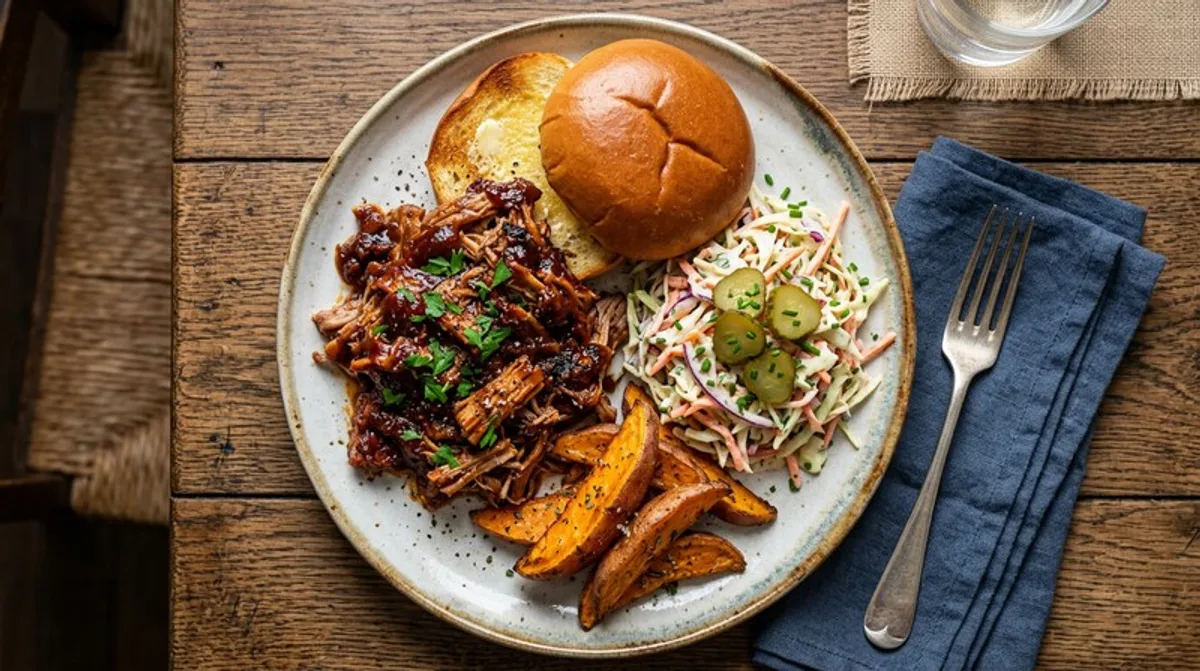
Cannabis Grillen: BBQ, Marinaden & Rezepte für den Sommer
Infused Kitchen: Cannabis recipes for baking, cooking, grilling & drinks

Social Media Ads: More Sales Through Targeted Online Marketing

Career start after studies: What recruiters are really looking for















Leave a Reply
Want to join the discussion?Feel free to contribute!