Cannabis and sexuality: libido, erection & ECS
- CB1 in genital tissue, hypothalamus and limbic system – ECS directly integrated into sexual function
- Biphasic: low THC doses increase libido and sensitivity, high doses inhibit them
- Sun 2017 (n=28,000): Cannabis users had more sex across all demographic groups
Cannabis and sexuality: what the ECS has to do with it
Cannabis and sexuality is one of the most discussed but least systematically researched cannabis topics. The endocannabinoid system (ECS) has been shown to play a role in sexual function: CB1 receptors are expressed in genital tissue, hypothalamus (sexual motivation), limbic system (pleasure, reward) and peripheral neural pathways (erection, orgasm).
Anandamide (AEA) and 2-AG directly influence libido, arousal and orgasmic function. This explains why cannabis can both enhance and impair sexual experiences, depending on the dose.
The biphasic model: a little helps, a lot harms
Cannabis has a clear biphasic effect on sexual function:
Low dose THC:
– Sensory hypersensitivity (TRPV1 effect on sense of touch) → more intensive touch perception
– Anxiolysis → Reduction of performance anxiety, which is common in sexual dysfunction
– Dopamine increase → mood enhancement, sexual motivation ↑
– Time-perception distortion → subjectively longer arousal phases
High dose THC / chronic use:
– Testosterone suppression: Chronic cannabis use lowers serum testosterone by 15-30% (Gorzalka 2010)
– Erectile dysfunction: CB1 overactivation inhibits NO synthase in penile blood vessels → Erectile dysfunction
– Hyperprolactinemia: THC increases prolactin → inhibits libido
– Anorgasmia: CB1 overactivation can affect orgasm timing and intensity
Study situation: Cannabis and sexual function
| Study | Design | Result |
|---|---|---|
| Sun & Eisenberg 2017 (J Sex Med) | NSFG data, n=28,176, cannabis use frequency vs. sex frequency | Cannabis users had sex 20% more often than non-users; correlation with frequency of use |
| Gebel et al. 2018 (J Sex Med) | Online survey, n=373, self-report after cannabis | 67 % report increased sexual experience; 24 % no effect; 9 % impaired; dose responses: low better |
| Gorzalka et al. 2010 (Eur J Pharmacol) | Review, Cannabis + male sexual function | Chronic cannabis use lowers testosterone, increases prolactin, increases ED risk; acute use ambivalent |
| Lynn et al. 2019 (Sex Med) | Prospective, n=373 women, before/after cannabis use before sex | Consumed before sex: 68 % report better orgasm, 60 % increased desire, 52 % less pain |
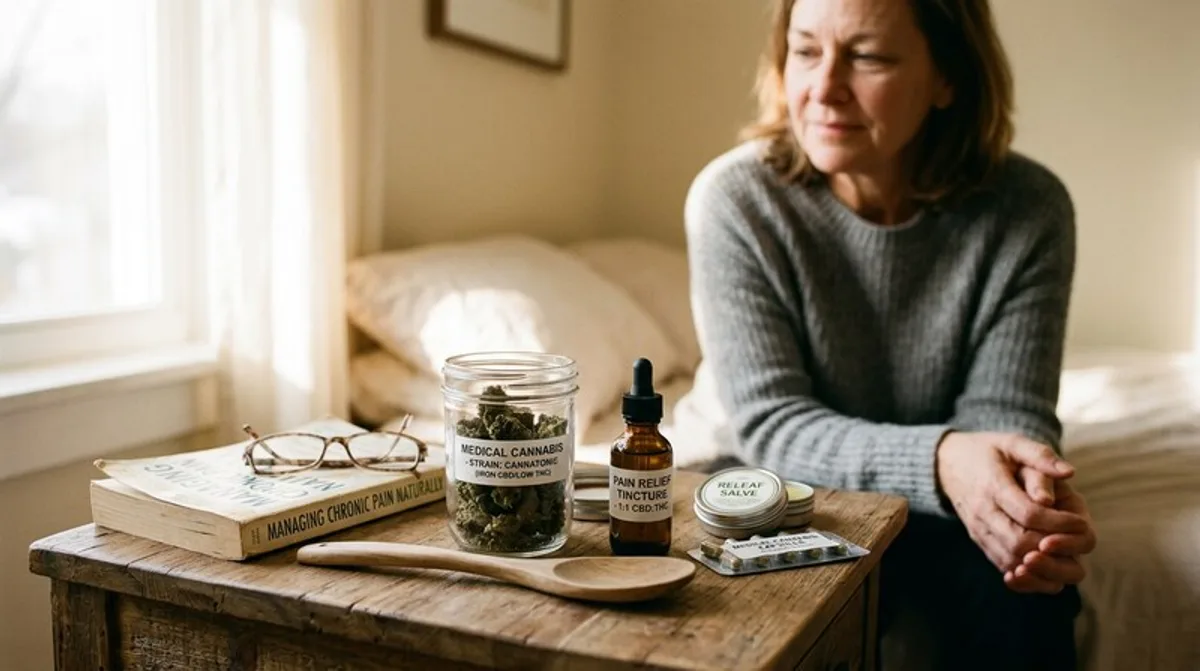

Women: Cannabis and sexual dysfunction
For women, the data consistently shows positive effects with moderate consumption:
Pain during sex (dyspareunia): Cannabis analgesia via CB1 in pelvic nerves – particularly relevant for endometriosis-related sexual pain. Lynn 2019: 52 % pain reduction.
Lubrication: Reduced lubrication (vaginal dryness) is often caused by anxiety. CBD anxiolysis improves the ability to relax → better arousal response.
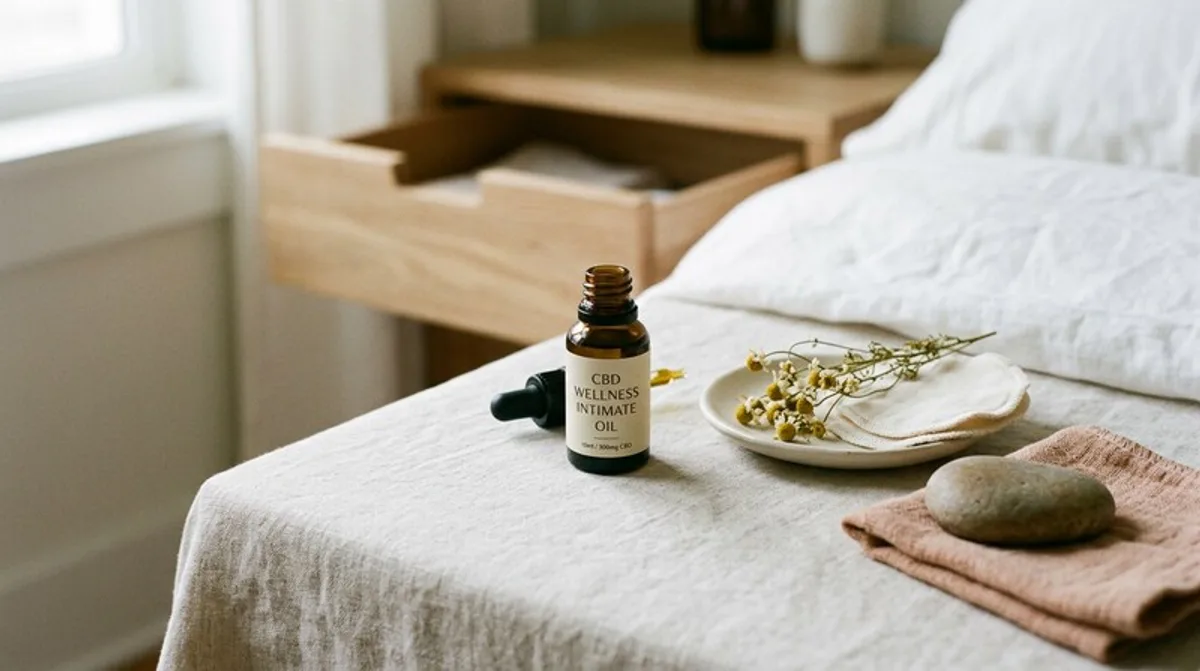
Vaginal CBD products: CBD lubricants and suppositories are available in Germany. Local CB1 activation in vaginal tissue can reduce pain and improve lubrication. Clinical studies are still lacking.
Men: Erectile dysfunction and cannabis
Erectile dysfunction (ED) in cannabis users is well documented with chronic high use:
– CB1 in corpus cavernosum smooth muscle inhibits NO-mediated relaxation when overactivated → ED
– Chronic THC use: testosterone ↓ + prolactin ↑ → dopaminergic libido inhibition
– Consumption <2×/week in moderate quantities: usually no ED risk; acute sexual mood improvement frequently reported
Cannabis microdosing - Cannabis during the menopause
FAQ: Cannabis and sexuality
Summary
Cannabis and sexuality show a clear biphasic effect: low doses improve sexual experience via anxiolysis, sensory enhancement and dopamine; high and chronic doses cause testosterone suppression, ED and loss of libido. Women particularly benefit from the analgesic effect on sexual pain. Chronic male users should monitor testosterone and sexual function. Related topics: Cannabis and stress (anxiolysis as a key mechanism) and Cannabis and hormones.
Cannabis for restless legs: CBD, dopamine & studies
Cannabis & bones: CB2, osteoporosis & bone healing
Cannabis & testosterone: effect on male fertility
Cannabis quality: laboratory tests, pesticides & contamination
Home cannabis cultivation: rules according to CanG
Cannabis microdosing: low doses of THC & CBD