Cannabis and Anxiety: When THC Helps and When It Triggers Fear
Cannabis and anxiety have a paradoxical relationship: Many people consume cannabis precisely to relax — yet some of them instead experience heart palpitations, paranoia, and panic. Whether cannabis alleviates or triggers anxiety depends on dose, strain, history, and environment. A nuanced perspective.
The Dose Paradox: Low Doses Calm, High Doses Alarm
THC has a non-linear relationship with anxiety — the dose-effect curve is an inverted U-shape:
- Low-dose THC (1–5 mg): Anxiolytic (anxiety-reducing) effect through amygdala suppression. CB1 receptors in the amygdala reduce activity in response to threatening stimuli. Many consumers report relaxation, carefreeness, relief.
- Medium dose (5–15 mg): Strongly variable on an individual level — depending on tolerance, genetics (FAAH gene variants), prior knowledge, and setting. Some relax, others begin to notice that their heart rate is increasing.
- High-dose THC (>15–20 mg, especially concentrated for inhalation): Activation of the sympathetic nervous system, tachycardia, hypervigilance — the amygdala switches into overactivity despite CB1 binding. THC paradoxically increases amygdala reactivity in high doses.
- High-potency strains (25%+ THC): Particularly risky for anxiety, paranoia, and acute panic attacks — especially among inexperienced users and in unfamiliar settings.
Anxiety disorders: Which are affected?
Cannabis interacts differently with various anxiety disorders:
- Generalized anxiety disorder (GAD): Bidirectional relationship. In the short term, many GAD sufferers alleviate worries through cannabis — long-term chronic use can worsen GAD through CB1 downregulation and increased stress reactivity upon withdrawal.
- Panic disorder: Cannabis is one of the most common triggers of acute panic attacks, especially among those already affected. Tachycardia as a side effect of cannabis is misinterpreted by panic patients as a panic symptom — positive feedback loop.
- Social Anxiety Disorder: Mixed evidence. Some studies show improvement in social anxiety through CBD (not THC). THC can intensify social paranoia — “everyone notices that I’m high” is a typical cognitive pattern.
- PTSD: Cannabis reduces hypervigilance and nightmares in studies. Medical cannabis is an approved indication for PTSD in Germany. However: Avoidance behavior caused by cannabis prevents long-term processing of trauma.
- Specific Phobias: Cannabis can hinder exposure therapy (confrontation) — fear experience is dampened, but extinction learning of the phobia does not occur.
CBD for Anxiety Disorders: The Evidence
CBD has a significantly more favorable evidence base than THC for anxiety disorders:
- Mechanism: CBD as a 5-HT1A agonist (serotonergic effect similar to SSRIs), as a TRPV1 ligand, and as an anandamide reuptake inhibitor — multiple anxiolytic mechanisms
- Bergamaschi 2011: CBD (600 mg) significantly reduced social anxiety in participants in simulated public speaking situations (placebo-controlled)
- Shannon 2019: Retrospective case series with 72 PTSD/anxiety patients — 79% improvement in anxiety scores after one month of CBD (25 mg/day)
- Dosage: Anxiolytic CBD doses in studies: 150–600 mg — significantly higher than typical OTC CBD products (5–25 mg). Many low-dose CBD products have insufficient evidence for anxiety reduction.
- No withdrawal issues: CBD does not create tolerance at CB1 receptors and does not cause anxiety rebound upon discontinuation.
Risk factors: Who is particularly vulnerable?
Not everyone reacts the same to cannabis — these factors increase the risk for anxiety and panic-like reactions:
- Genetics (FAAH gene): Variants of the anandamide breakdown enzyme FAAH determine how strongly THC affects the amygdala. Certain FAAH variants = higher panic risk.
- Pre-existing condition: Existing anxiety disorder or panic disorder → significantly increased risk for cannabis-induced panic
- Consumption inexperience: First-time users and occasional users react more strongly to THC than tolerant regular users
- Setting (Environment): Unfamiliar environment, social exposure or conflicts significantly increase the probability of anxiety
- Genetic predisposition for psychosis: AKT1 or COMT gene variants increase the risk of cannabis-induced paranoia
What to do during a cannabis panic attack?
A cannabis-induced panic attack is unpleasant, but not dangerous:
- Lie down, 4-7-8 breathing technique: Inhale for 4 seconds, hold for 7 seconds, exhale for 8 seconds — activates the parasympathetic nervous system, breaks the panic breathing cycle
- Smell black pepper: β-Caryophyllene (a sesquiterpene) binds to CB2 and can reduce the effects of THC
- CBD (if available): As a negative allosteric modulator of CB1, CBD weakens THC binding — helpful in acute situations
- Cold water, no alcohol: Alcohol increases THC plasma concentration and worsens panic
- Cognitive anchors: “This is THC. My heart is beating fast because THC activates the sympathetic nervous system, not because I am having a heart attack. It will pass.”
CBD as a possible alternative to THC for anxiety — comparison:
Chronic pain with an anxiety component — fibromyalgia as an example:
Cannabis for PMS and PMDS — anxiety and mood during the luteal phase:
Cannabis for depression — CBD, serotonin and antidepressant mechanisms:
Cannabis for PTSD — Nabilon for nightmares, fear conditioning and statutory health insurance reimbursement:
Frequently asked questions about cannabis and anxiety

Infused Kitchen at FIV: The new cannabis cooking portal
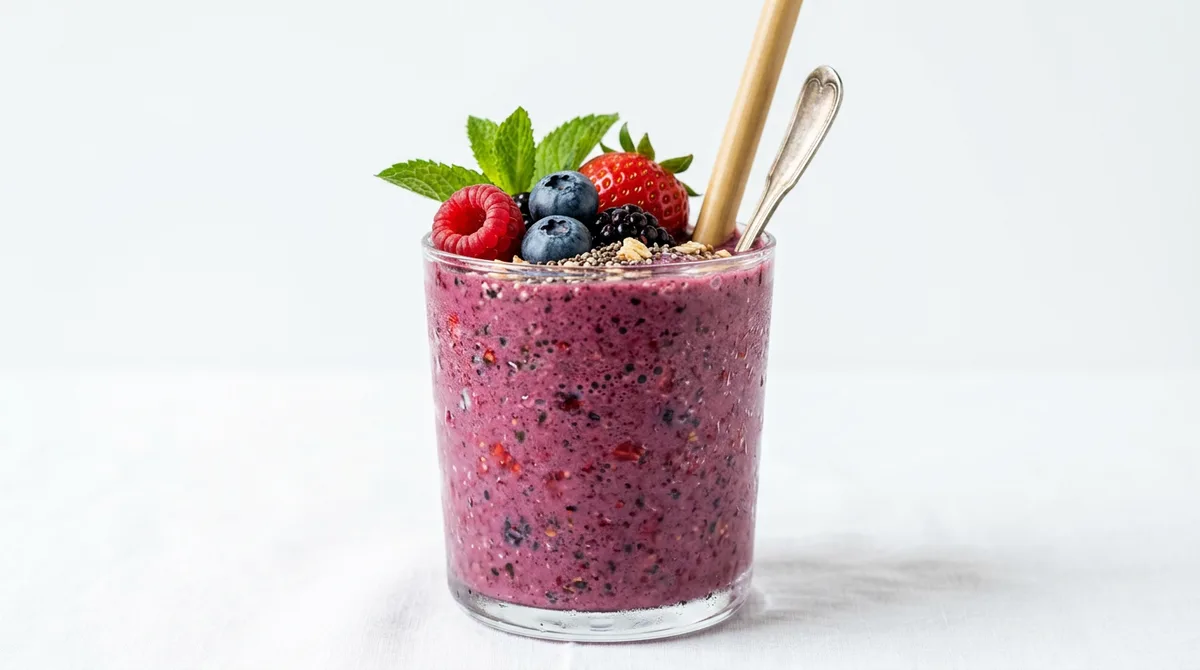
Cannabis Drinks: Smoothies, Tea, Golden Milk & Recipes
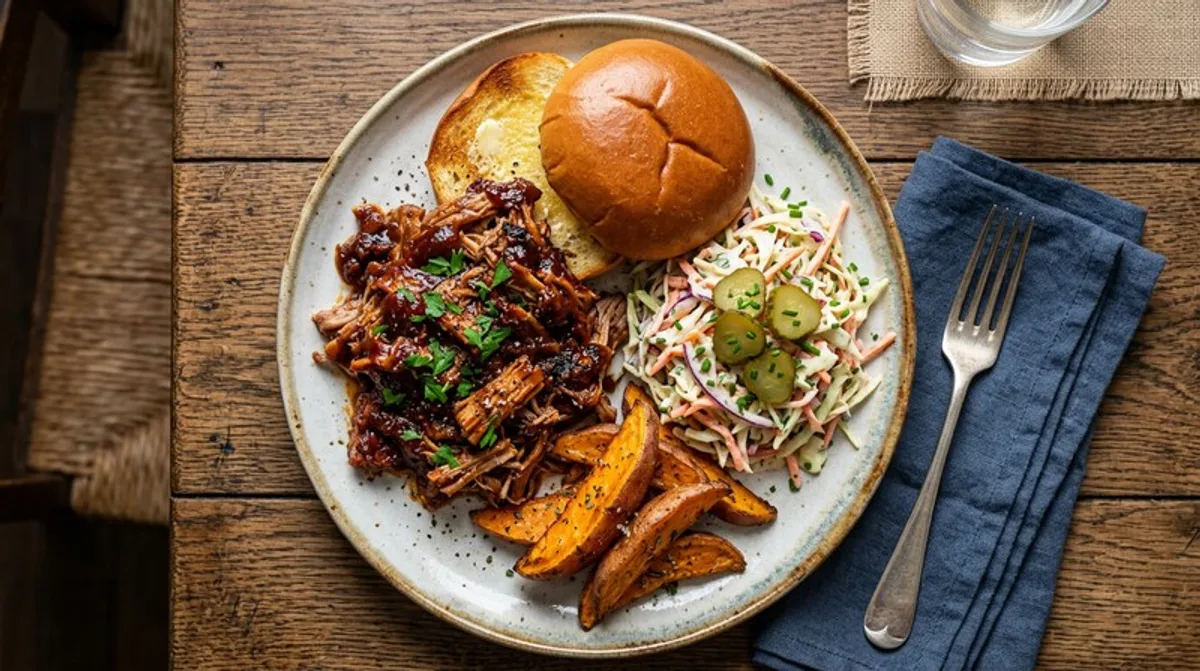
Cannabis Grillen: BBQ, Marinaden & Rezepte für den Sommer
Infused Kitchen: Cannabis recipes for baking, cooking, grilling & drinks

Social Media Ads: More Sales Through Targeted Online Marketing

Career start after studies: What recruiters are really looking for