Cannabis in Multiple Sclerosis: Sativex, Spasticity and Evidence
Multiple sclerosis is after chronic pain and nausea one of the most common indications for medical cannabis in Germany. With Sativex (Nabiximols), an approved cannabinoid preparation specifically for MS patients exists. How it works, which studies exist, and what affected individuals need to consider when applying for it.
Sativex: The first approved cannabis spray worldwide
Sativex is a special development in pharmacology:
- Composition: Nabiximols — a 1:1 mixture of THC and CBD in plant extract. Not synthetic, but obtained from the cannabis plant. Per spray: 2.7 mg THC + 2.5 mg CBD
- Application: Oral mucosa spray (sublingual/buccal). Onset of effect: 15–40 minutes. No first-pass metabolism as with edibles
- Approval in Germany: Approved in 2011 for moderate to severe spasticity in MS patients who have not responded adequately to other spasmolytics
- Statutory health insurance reimbursement: Sativex is reimbursed by the statutory health insurance if certain conditions are met — other spasmolytics first (Baclofen, Tizanidin), then Sativex as an add-on or alternative in case of intolerance
MS Spasticity: Why Cannabinoids Work
Spasticity is one of the most burdensome MS symptoms — cannabinoids have a biologically plausible effect here:
- Pathophysiology of spasticity: Demyelination of the corticospinal tracts leads to uncontrolled muscle contractions. Overactive motor neurons react excessively
- CB1 in motor neurons: Cannabinoid receptors CB1 are present in spinal interneurons and corticospinal tracts. THC activates CB1 → inhibition of excitatory glutamate release → reduction of excessive motor activity
- CBD as a modulator: CBD complements the effect of THC and reduces side effects — the 1:1 ratio in Sativex is not a coincidence, but an optimized ratio from studies
- GABA enhancement: Cannabinoids indirectly increase GABAergic inhibition — the natural counterbalance to spasticity
Clinical Study Landscape
- Collin 2010 (European Journal of Neurology): Randomized controlled trial with 337 MS patients. Sativex significantly reduced spasticity NRS score vs. placebo. Responders (>30% improvement): 36% vs. 24% placebo
- SAVANT Study (2013): Initial-phase design — patients without treatment response were excluded, responsive patients were randomized. In this enriched population: 74.3% of Sativex patients vs. 51.4% placebo showed ≥20% spasticity improvement
- Long-term data: Open-label extensions show sustained effect over 12+ months in many patients — no significant tolerance loss regarding spasticity reduction
- Pain in MS: Neuropathic pain, often accompanying spasticity, also responds to Sativex — several studies with significant pain reduction
- Bubble function: Cannabis reduces overactivity of the detrusor muscle — CB1 receptors in the bladder epithelium. Smaller studies show improvement of bladder overactivity in MS
Other Cannabinoid Preparations in MS
- Dronabinol (THC): Synthetic THC, in Germany available by prescription as a prescription medicine. Used off-label in MS for pain and spasticity. No specific approval status for MS
- Medical Cannabis (flowers/oils): Since 2017, any disease can serve as an indication for cannabis prescription if no comparable therapy is available or tolerated. MS = clear indication
- Nabilone: Synthetic THC analog, available in Germany. Primarily against chemotherapy-induced nausea, also used off-label for MS pain
Practical Tips for MS Patients
- First application: Contact a neurologist or general practitioner with cannabis experience. Document MS diagnosis + therapy resistance to spasmolytics
- GKV application: Sativex: Standard procedure via doctor. Cannabis flowers/oils: Individual application to health insurance company (easier approved since KCanG). Rejection rate has decreased
- First dosing with Sativex: Titration phase — gradually increase (1 spray, then increase daily until effect). Maximum dose 12 sprays/day. Overdosing leads to dizziness and sedation
- Driving: Sativex patients require a medical certificate after stable dosage — §24a StVG applies, but medical cannabis patients can apply for an exception with proven therapeutic stability
CBD as part of Sativex — mechanism of action in detail:
Cannabis in another neurodegenerative disease involving the basal ganglia: Cannabis and Parkinson’s disease.
Cannabis and the immune system — CB2, autoimmune diseases and inflammation:
Cannabis after stroke — Sativex off-label for post-stroke spasticity and CBD neuroprotection:
Frequently asked questions about cannabis and MS

Infused Kitchen at FIV: The new cannabis cooking portal

Cannabis Drinks: Smoothies, Tea, Golden Milk & Recipes
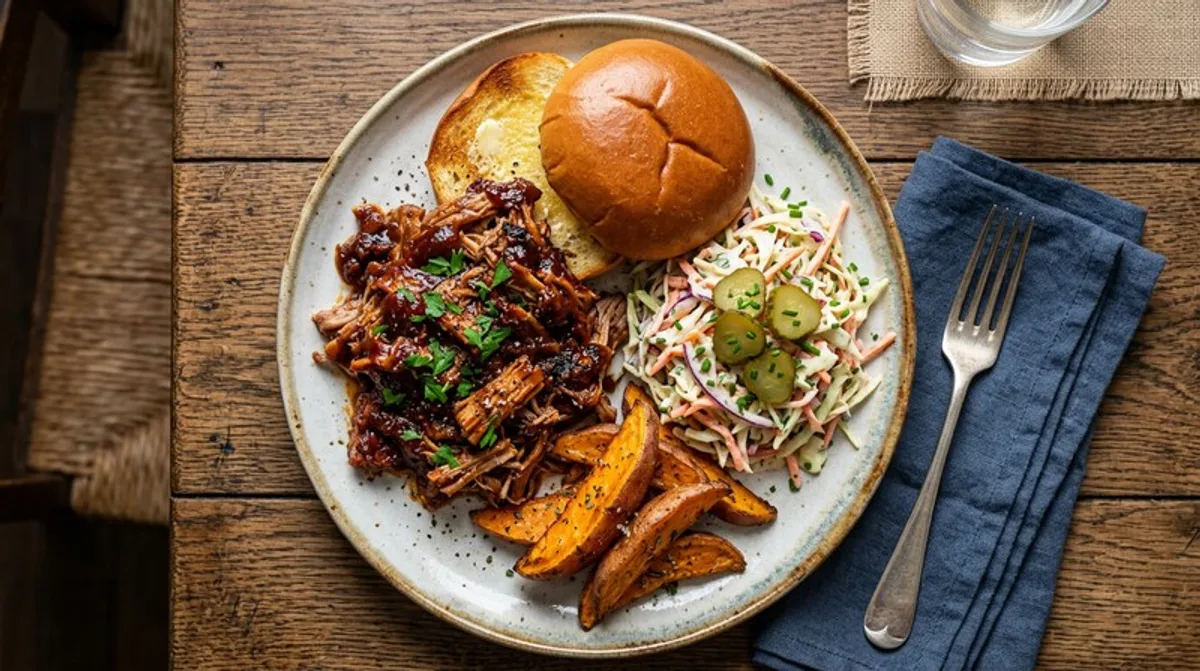
Cannabis Grillen: BBQ, Marinaden & Rezepte für den Sommer
Infused Kitchen: Cannabis recipes for baking, cooking, grilling & drinks

Social Media Ads: More Sales Through Targeted Online Marketing

Career start after studies: What recruiters are really looking for