Cannabis Glossary: The Most Important Terms Explained Simply
Cannabis has its own jargon — and anyone who wants to understand dispensary menus, package inserts, or medical reports won’t get far without basic vocabulary. This glossary explains the most important cannabis terms concisely and precisely, from cannabinoids and terpenes to consumption terms.
Cannabinoids: The Active Compounds
- THC (Tetrahydrocannabinol): Primary psychoactive cannabinoid. Binds to CB1 receptors in the brain, causing the “high”. The naturally occurring form is THCA (non-psychoactive) — decarboxylation (heat) produces THC. Main indicator of potency.
- CBD (Cannabidiol): Non-psychoactive cannabinoid. Modulates CB1 as a negative allosteric modulator (weakens THC’s effect), acts as a 5-HT1A agonist (anxiolytic). Legal status: freely available in DE if under 0.2% THC.
- THCA (Tetrahydrocannabinolic acid): Precursor of THC in the raw plant. Non-psychoactive until decarboxylation. Present in raw cannabis juice or unheated products. Some studies show anti-inflammatory effects without a high.
- CBDA (Cannabidiolic acid): Precursor of CBD. Present in raw plant material, converts to CBD through heat or time. May have antiemetic properties (against nausea).
- CBN (Cannabinol): Breakdown product of THC (oxidation by light/air). Mildly psychoactive, acts as a weak CB1 agonist. Often associated with sedation — scientific evidence for this is limited. Forms in old or poorly stored cannabis.
- CBG (Cannabigerol): “Mother molecule” — precursor to THC and CBD in biosynthesis. Not psychoactive. Acts as a partial agonist on CB1/CB2 and on Alpha-2-adrenergic receptors. Potentially antibacterial (MRSA studies).
- CBC (Cannabichromene): Non-psychoactive cannabinoid. Binds only weakly to CB1, but strongly to TRP channels (TRPV1, TRPA1). Research areas: anti-inflammatory effects, acne.
- HHC (Hexahydrocannabinol): Hydrated THC derivative, semi-synthetically produced. Slightly milder than THC, also psychoactive. In Germany legally borderline — applicable under the Analog Act. Not a natural product of the cannabis plant.
- Delta-8-THC: THC isomer with lower CB1 affinity than Delta-9-THC (~50–66% potency). Illegal for recreational use in DE as well. Legal in some US states.
The Endocannabinoid System (ECS)
- ECS: The body’s own signaling system that regulates cannabinoids. Composed of endocannabinoids (endogenous ligands), cannabinoid receptors (CB1/CB2), and enzymes (FAAH, MAGL).
- CB1 receptors: Mainly in the central nervous system (hippocampus, basal ganglia, cerebellum, prefrontal cortex). Responsible for the psychoactive effects of THC, memory effects, motor function, appetite.
- CB2 receptors: Mainly in immune cells, spleen, liver, gastrointestinal tract. Regulate inflammatory responses — hardly psychoactive. CBD and CBG have a stronger effect on CB2.
- Anandamide (AEA): Endogenous endocannabinoid ligand. The name comes from Sanskrit “Ananda” = bliss. Broken down by the FAAH enzyme. THC imitates anandamide, but has a stronger and longer-lasting effect.
- 2-AG (2-Arachidonoylglycerol): Most common endocannabinoid. Full CB1/CB2 agonist. Broken down by the MAGL enzyme.
- Entourage effect: Term coined by Raphael Mechoulam (1998). Describes the synergistic effect of all plant compounds (THC + CBD + CBG + terpenes + flavonoids) compared to isolated single substances. Full-spectrum products utilize this effect.
- Decarboxylation: Heat process that converts THCA → THC and CBDA → CBD. Occurs when smoking, vaporizing, or baking (edibles). Without decarboxylation, raw cannabis has little psychoactive effect.
Botany and Quality
- Trichomes: Resin glands on flowers and leaves. Contain THC, CBD, terpenes, and other cannabinoids. Ripeness can be determined with a loupe/microscope: clear = unripe / milky = at peak / amber = overripe. Main indicator for harvest time.
- Terpenes: Aromatic compounds in the plant. Over 150 known terpenes in cannabis. Define aroma and taste, have their own pharmacological effects. Most important: Myrcene (earthy/sedative tendency), Limonene (citrusy/mood-enhancing), Linalool (floral/anxiolytic), Caryophyllene (peppery/CB2-agonist), Pinene (resiny/attention-enhancing).
- Flavonoids: Polyphenolic compounds in cannabis — Cannaflavins A and B. Antioxidant, possibly anti-inflammatory. Part of the entourage effect. Less researched than cannabinoids and terpenes.
- Curing (drying and curing): Controlled drying and maturation process after harvest (4–8 weeks). Improves aroma, taste, and combustion behavior. Poorly cured cannabis smells like hay.
- Kief: Trichome concentrate obtained by sifting dried cannabis. Higher THC content than flowers. Powdery, golden to greenish consistency.
- Extracts / Concentrates: General term for concentrated cannabis products: hash (pressed trichome block), BHO (Butane Hash Oil), Rosin (pressure-extracted, solvent-free), Live Resin (from fresh, un-dried material).
Consumption and Dosage
- Vaporizer (Vape): Heats cannabis to 170–230°C without combustion. Inhales vapor instead of smoke. Fewer toxins, better dosing, more discreet aroma.
- Edibles: Food products with cannabis (oil, butter, extract). First-Pass Effect: THC is metabolized in the liver to 11-Hydroxy-THC — stronger, longer-lasting effect. Delayed onset of effect 30–120 minutes.
- Sublingual: Administration under the tongue (CBD/cannabis oil). Mucosal absorption bypasses the First-Pass Effect. Faster onset of effect than orally ingested products.
- Bioavailability: The proportion of a substance that actually becomes systemically effective. Inhalation: 25–56% / Sublingual: 20–30% / Oral: 4–20% (strongly variable due to meal, genetics).
- Microdosing: Very low doses (1–3 mg THC) that remain below the psychoactive threshold but may have therapeutic effects. Popular for creativity, anxiety reduction, productivity.
- T-Break (Tolerance break): Conscious abstinence phase to regenerate CB1 receptor density. According to research, full normalization after 4 weeks.
- Greening Out: Colloquial term for acute cannabis overdose. Symptoms: tachycardia, dizziness, nausea, anxiety, pallor. Not life-threatening, but unpleasant.
Detailed explanation of the ECS:
Frequently Asked Questions about the Cannabis Glossary

Infused Kitchen at FIV: The new cannabis cooking portal
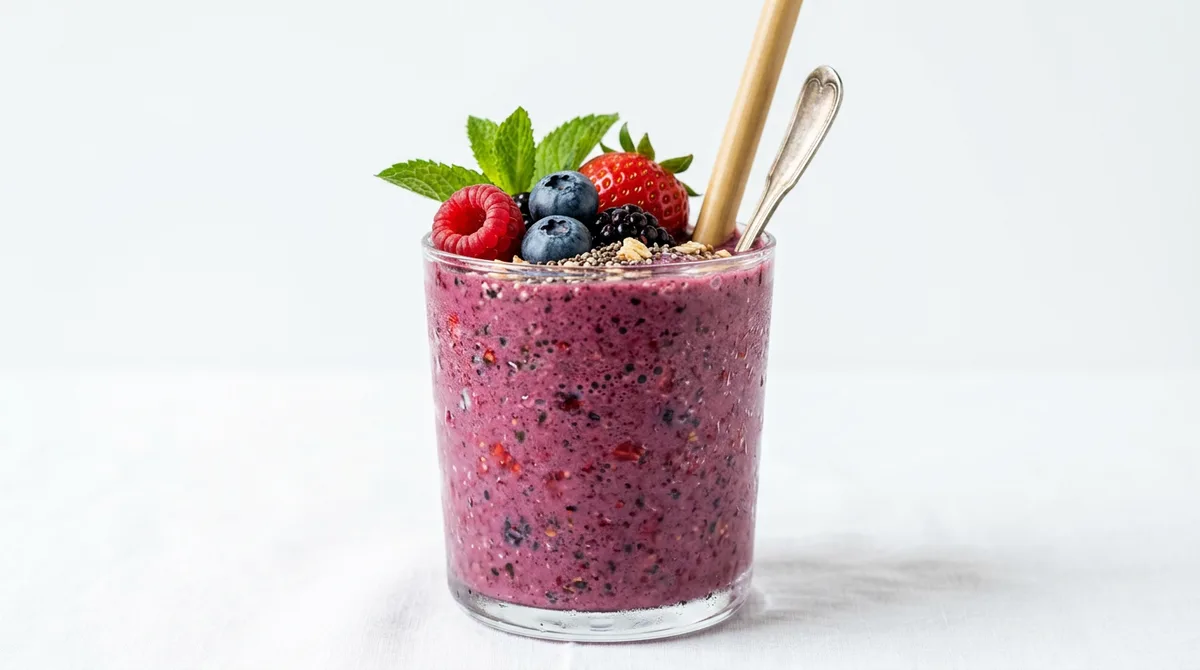
Cannabis Drinks: Smoothies, Tea, Golden Milk & Recipes
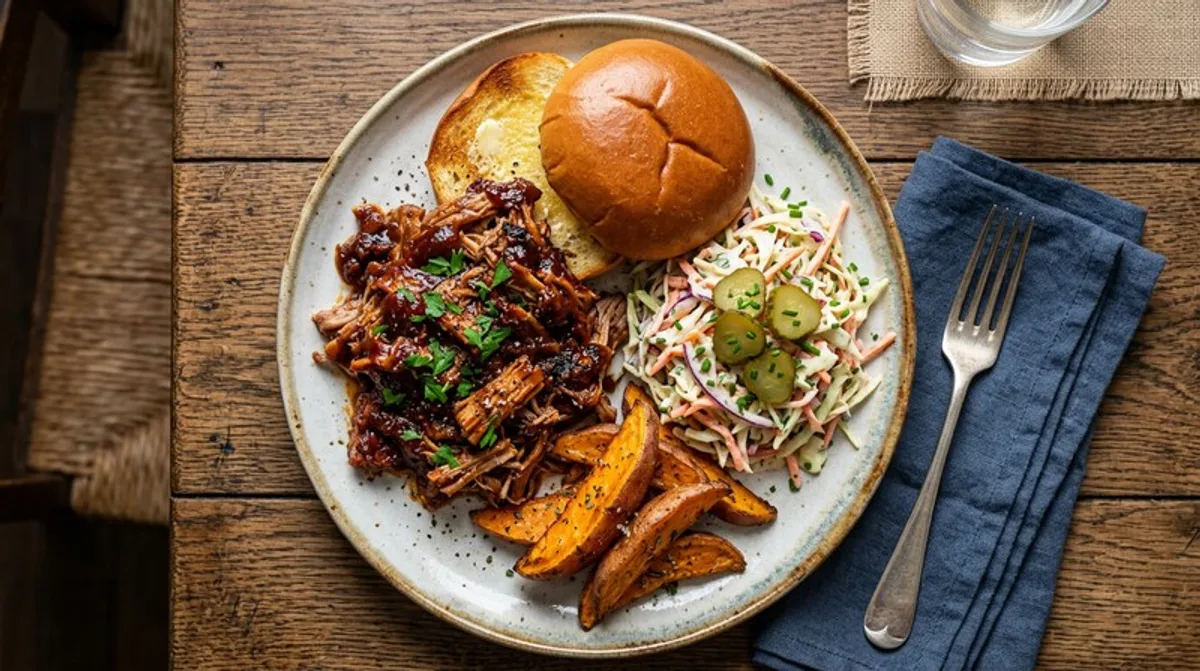
Cannabis Grillen: BBQ, Marinaden & Rezepte für den Sommer
Infused Kitchen: Cannabis recipes for baking, cooking, grilling & drinks

Social Media Ads: More Sales Through Targeted Online Marketing

Career start after studies: What recruiters are really looking for