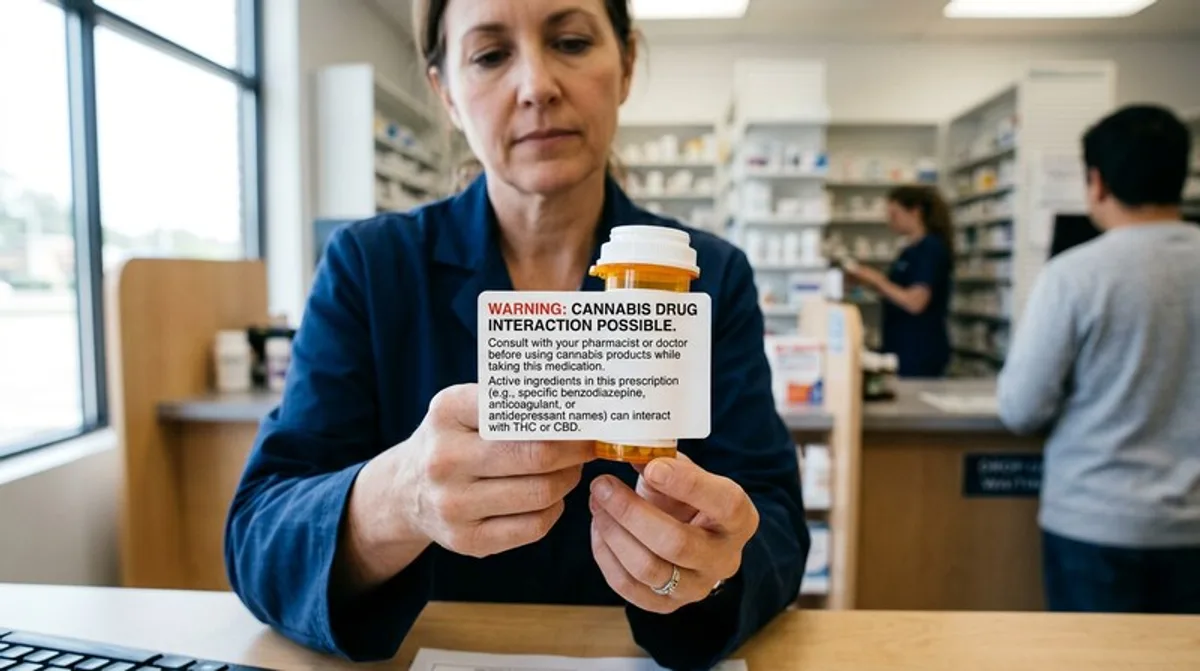
Cannabis for burnout: HPA axis, cortisol & ECS
- Chronic stress → CB1 downregulation in the prefrontal cortex – measurable ECS deficit in burnout
- CBD modulates HPA axis and lowers basal cortisol levels in controlled stress studies
- Caution: high THC doses can increase cortisol – microdosing is crucial in burnout
Burnout and the endocannabinoid system
Burnout – chronic exhaustion caused by persistent overwork – is not an independent clinical picture in ICD-11 (there as “burnout” under Z73.0), but it is one of the most common work disorders of our time. The endocannabinoid system (ECS) is directly involved in burnout pathophysiology via HPA axis regulation.
In chronic psychosocial stress, CB1 receptors in the prefrontal cortex, hippocampus and amygdala are downregulated – a direct consequence of persistently high cortisol levels. This ECS deficit intensifies stress reactions, reduces the ability to regulate emotions and creates a dysfunction that corresponds to the clinical picture of burnout.
HPA axis, cortisol and cannabinoids: mechanisms
Normal ECS buffer: The ECS dampens the HPA axis via CB1 receptors in the hypothalamus and paraventricular nucleus (PVN). During acute stress, CB1 activates a negative feedback loop: cortisol → endocannabinoid release → CB1 → CRH inhibition → cortisol reduction.
Chronic stress breaks this buffer: persistently high cortisol levels downregulate CB1 receptors via GR (glucocorticoid receptor)-mediated transcriptional inhibition. The dampening effect is lost → HPA axis runs “hot” → cortisol remains permanently elevated → burnout spiral.
CBD as an HPA modulator: CBD inhibits FAAH (the enzyme that breaks down anandamide) → anandamide increases → CB1 signaling is strengthened without risking additional CB1 downregulation (since FAAH inhibition acts more indirectly than direct agonism). In addition, CBD has an anxiolytic effect via 5-HT1A and reduces cortisol spikes in stress provocation models (Zuardi 1993, Bergamaschi 2011).
Study situation: CBD and stress reduction
| Study | Design | Result |
|---|---|---|
| Zuardi et al. 1993 (Psychopharmacology) | RCT, CBD vs. placebo for induced stress | CBD 300 mg significantly reduces cortisol increase after stress provocation |
| Bergamaschi et al. 2011 (Neuropsychopharmacology) | RCT, CBD for social phobia/SSPS test | CBD 600 mg: significant anxiolysis, reduced cognitive impairment, cortisol reduction |
| Shannon et al. 2019 (Perm J) | Case series, n=72, anxiety + sleep | 79.2 % anxiety reduction, 66.7 % sleep improvement with 25-75 mg CBD; relevant for burnout comorbidity sleep disorders |
| Soares & Campos 2017 (Front Immunol) | Review, CBD + HPA axis | CBD attenuates stress-induced HPA overactivity in several animal models; human data limited |
Cannabis for burnout: what can help
Sleep (critical in burnout): Sleep disorders are the most common symptom of burnout. CBD (150-300 mg in the evening) promotes deep sleep, reduces the time it takes to fall asleep. THC suppresses REM sleep – unfavorable in the long term for chronic fatigue.
Anxiety and emotional exhaustion: CBD 25-100 mg daily shows consistent anxiolysis in studies. The 5-HT1A agonism of CBD is particularly relevant for emotional dysregulation in burnout (amygdala overactivity, reduced prefrontal control).
Pain and tension: Muscle tension and headaches as physical burnout symptoms respond to low-dose cannabis (5-10 mg THC or CBD oil).


Risks: Why THC can be problematic for burnout
Paradoxical cortisol increase: High THC doses (>15 mg) increase cortisol paradoxically – the opposite of the desired effect. Low THC doses (<5 mg) have less of this problem.
Amotivation syndrome: Chronic THC use with an already exhausted HPA axis can increase the drive deficit. Dopamine downregulation under long-term THC intensifies the anhedonia symptom.
Escape trap: Cannabis offers short-term relief from burnout symptoms, but does not address the cause (working conditions, boundary issues). The danger: cannabis becomes a coping strategy that delays professional help (psychotherapy, workplace adjustment).
Dependence potential: Chronic fatigue and HPA dysregulation increase the risk of cannabis dependence – the same neuronal vulnerability that drives burnout also favors CUD (Cannabis Use Disorder).
When medicinal cannabis is useful for burnout
Burnout itself is not a SHI-recognized cannabis indication. However, concomitant diagnoses can be reimbursed:
– Comorbid sleep disorders (F51.0)
– Comorbid generalized anxiety disorder (F41.1)
– Comorbid depressive episode (F32)
In these cases , cannabis can be prescribed by a psychiatrist/psychosomatist – in parallel with psychotherapy, not as a substitute.
Cannabis & sleep - Cannabis microdosing
FAQ: Cannabis for burnout
Summary
The ECS is directly involved in HPA axis regulation via CB1 receptors, which is chronically overloaded in burnout. CBD can dampen stress-induced HPA overactivity via FAAH inhibition and 5-HT1A agonism. Sleep disorders and anxiety as core symptoms of burnout respond well to CBD. THC harbors specific risks in burnout (amotivation, cortisol paradox, escape dynamics). Cannabis is symptom relief, not a cure for burnout – psychotherapy remains central.
Cannabis for Crohn's disease: CBD, remission & studies

Cannabis for restless legs: CBD, dopamine & studies
Cannabis & bones: CB2, osteoporosis & bone healing
Cannabis & testosterone: effect on male fertility
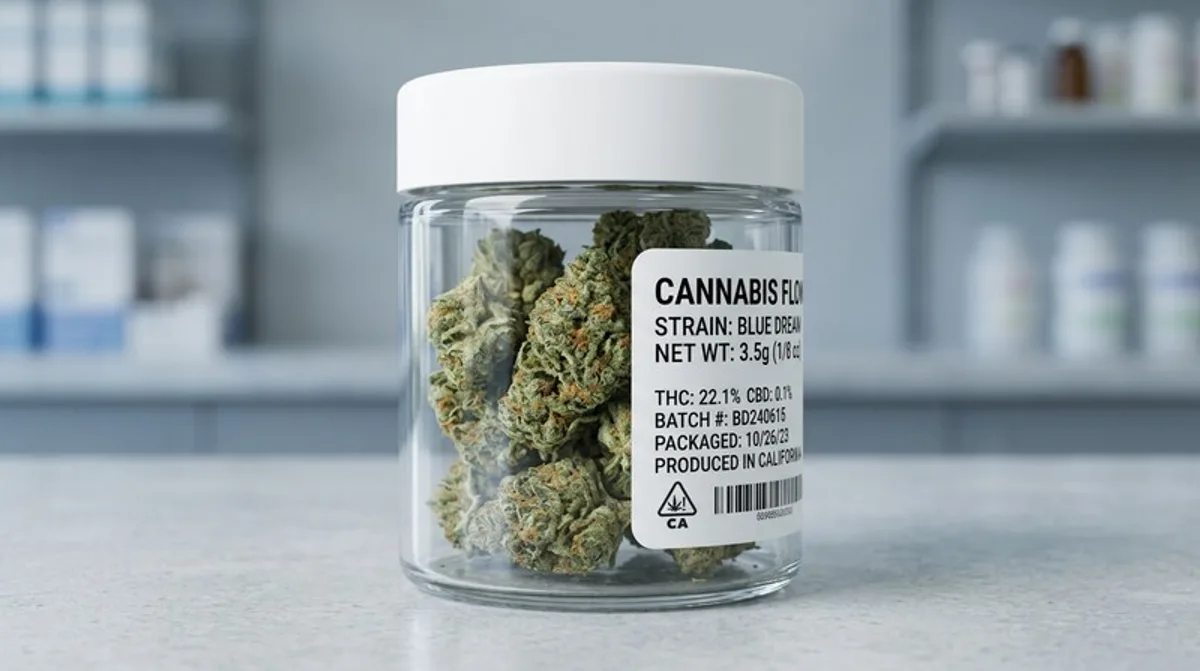
Cannabis quality: laboratory tests, pesticides & contamination
Home cannabis cultivation: rules according to CanG