CBN (cannabinol): Sleep sedative & effect explained
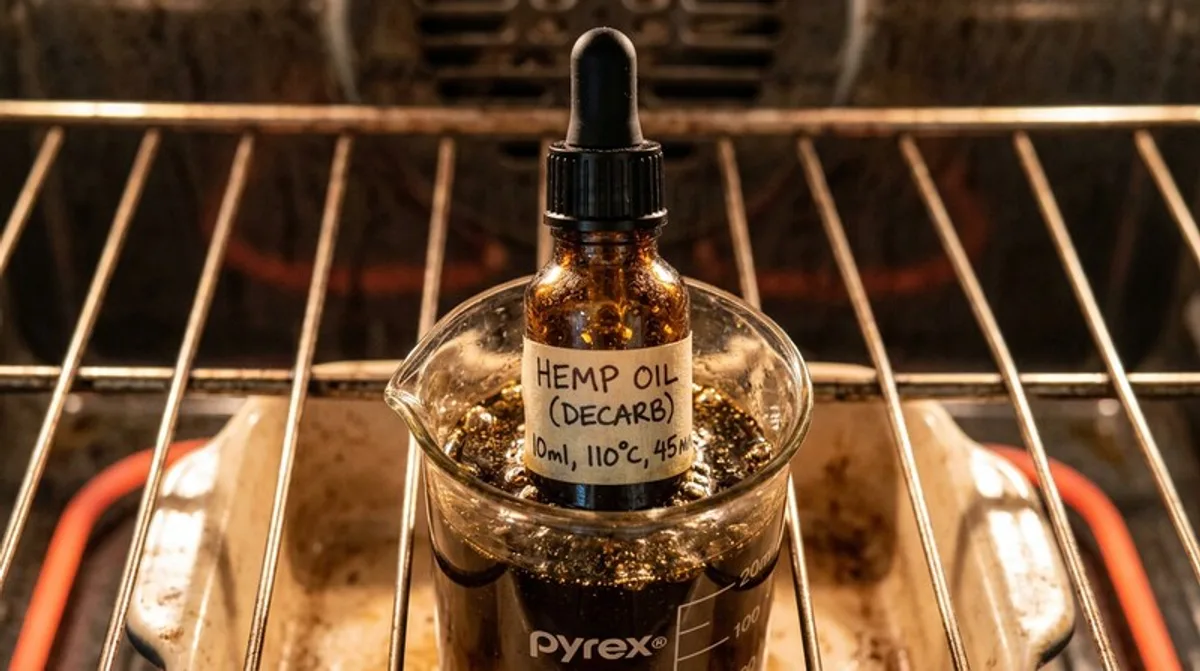
- CBN is produced exclusively by oxidation of THC – UV light, oxygen and heat
- Hardly sedating on its own – only measurably stronger sedation in combination with THC (Musty 1976)
- “CBN is the sleep cannabinoid” is marketing – the evidence is thinner than claimed
CBN: The cannabinoid of aged cannabis
Cannabinol (CBN) is produced when THC oxidizes – heat, light and oxygen gradually break down THC into CBN. Old, poorly stored cannabis therefore contains more CBN than fresh material. CBN is weakly psychoactive (around 10% of the potency of THC) and is primarily associated with sedative, sleep-inducing properties.
CBN pharmacology
| Target | Effect | Strength vs. THC |
|---|---|---|
| CB1 (partial agonist) | Moderately psychoactive, sedative | ~10 % potency |
| CB2 (partial agonist) | Anti-inflammatory | Similar to CBG |
| TRPA1 (agonist) | Pain modulation, cooling | Strong |
| TRPV2 (agonist) | Immunomodulation, inflammation | Agent |
| PPARγ | Anti-inflammatory, bone | Medium |
CBN and sleep: what the evidence really shows
CBN is popularly regarded as the “sleep cannabinoid” – but the evidence is weaker than often claimed:
Older Study (Musty et al. 1976): 5 subjects received CBN alone vs. THC alone vs. CBN+THC. CBN alone: hardly any sedation. CBN+THC: stronger sedation than THC alone. Conclusion: CBN potentiates THC sedation in combination, but does not have a strong sedative effect on its own.
Mechoulam & Ben-Shabat 1998: CBN mentioned as part of the entourage effect – sedative effect mainly in combination with other cannabinoids.
Current reviews (2022-2024): Human clinical studies on CBN and sleep are largely lacking. The “CBN is the sleep cannabinoid” claim is marketing-driven and not as scientifically proven as often claimed.
Real effect: CBN has a sedative effect mainly through its weak CB1 activation and in combination with THC. Monoproducts with CBN have limited clinical evidence.
CBN for pain and inflammation
Wong & Cairns 2019 (Arch Oral Biol): CBN desensitizes TRPA1 nociceptors more strongly than CBD. Relevant for neuropathic pain and joint pain.
Antibacterial: Like CBG, CBN shows antibiotic activity against MRSA in vitro (Appendino et al. 2008, J Nat Prod).
Neuroprotective: Weydt et al. 2005 (Neuroreport): CBN significantly delayed disease progression in ALS mouse model – one of the first cannabis animal model neuroprotection results.
Storing cannabis correctly: THC preservation vs. CBN formation
Who wants to get THC:
– Cool (15-20°C), dark, airtight (vacuum seal)
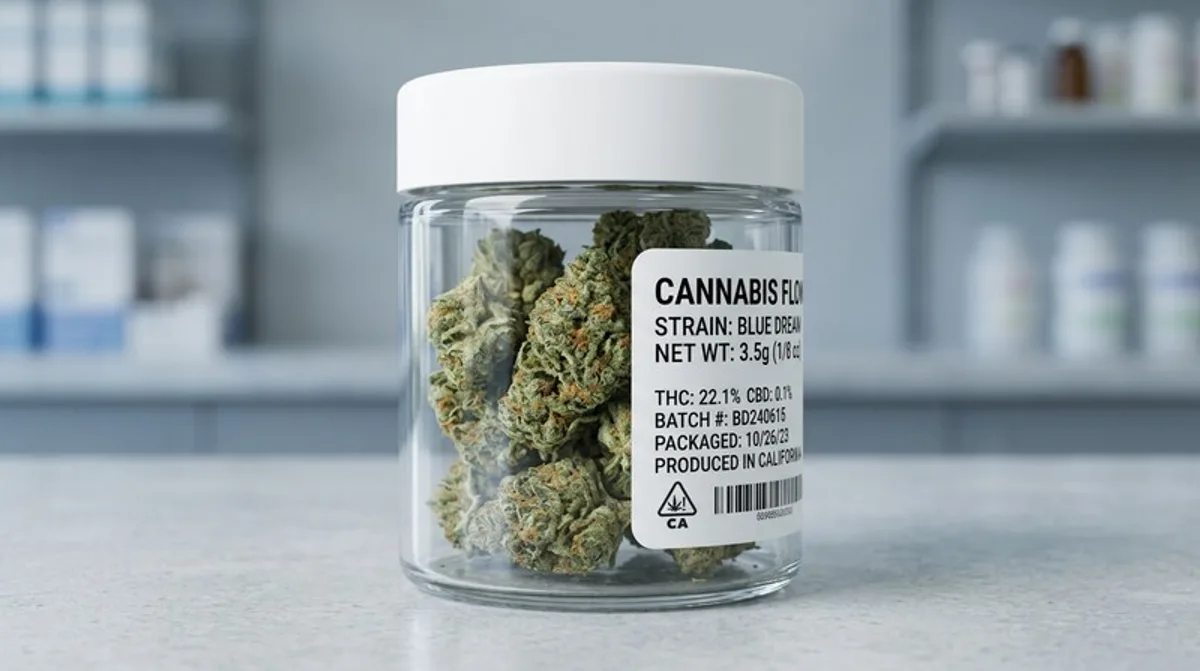
– UV light is the main enemy: THC → CBN through photooxidation
– No refrigerator (humidity → mold)
Who wants CBN-rich (for sleep products):
– Store old cannabis intentionally: 1-2 years in a slightly open container at room temperature
- THC tolerance & T-break
Cannabis microdosing
FAQ: CBN Cannabinol
Summary
CBN is the degradation product of THC through oxidation – old cannabis contains more of it. Slightly psychoactive (10% THC potency), sedative mainly in combination with THC (not alone). Well documented for TRPA1 pain modulation, antibacterial (MRSA), neuroprotective (ALS model). Clinical sleep studies are lacking – CBN is better proven than often claimed for pain, worse for sleep. CBG guide for another non-THC cannabinoid; entourage effect for CBN in a full-spectrum context.

Hyaluronic serum: effect, application and the best products
Cannabis for back pain: CBD, THC & intervertebral discs

Cannabis for social anxiety: CBD & social phobia
Cannabis for restless legs: CBD, dopamine & studies
Cannabis & bones: CB2, osteoporosis & bone healing
Cannabis & testosterone: effect on male fertility