Indica, sativa & hybrid: strain differences explained
- Indica/sativa classification is botanical, not pharmacological – scientifically outdated
- Effect depends on terpene profile: myrcene = sedative, limonene = activating, linalool = anxiolytic
- Piomelli & Russo 2016: genetically no reliable separation between indica and sativa possible
Indica, sativa, hybrid: the classic classification
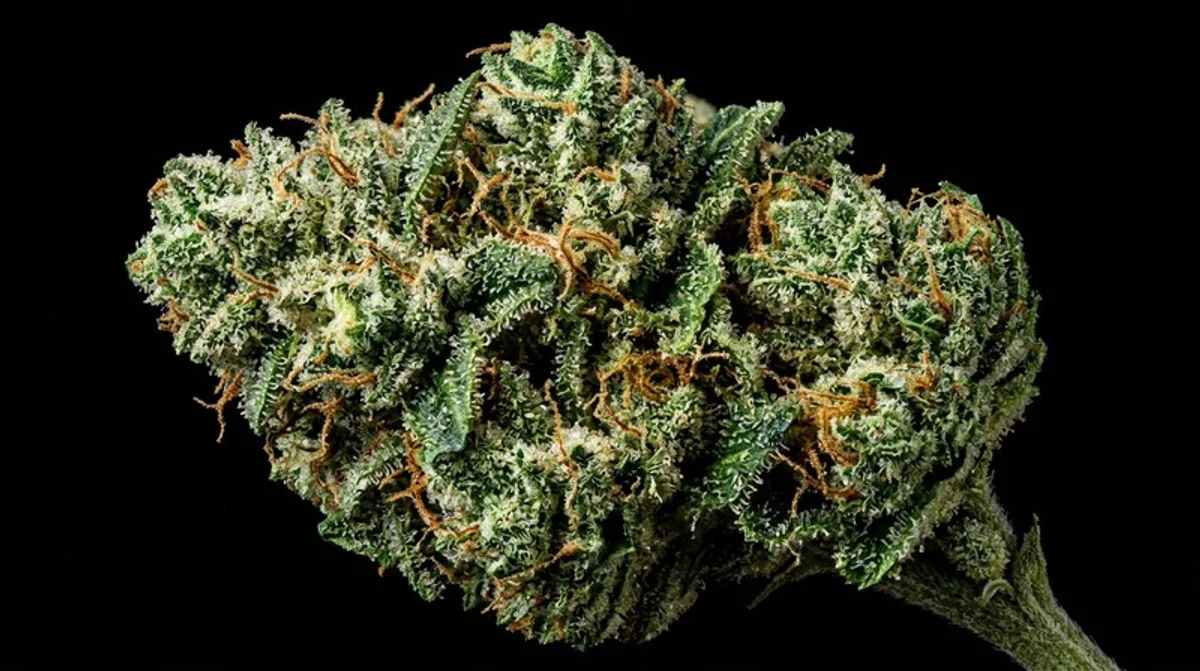
Few questions are asked as often by new cannabis users as: “What is the difference between indica and sativa?” The traditional answer is: Indica relaxes, makes you sleepy, body heavy (body high). Sativa makes you alert, creative, euphoric (head high). Hybrid is in between. This classification is widely used in dispensaries and pharmacies around the world – but is scientifically outdated.
Why the indica/sativa classification is outdated
The classification into Cannabis indica and Cannabis sativa is originally botanical (plant morphology), not pharmacological. Modern genetic analyses show:
Fischedick et al. 2010 (Phytochemistry): Genetic analysis of 157 cannabis varieties. Result: There is no consistent genetic separation between indica and sativa varieties. Many varieties marketed as “sativa” have indica genetics and vice versa.
Leafly Research 2015 (PLOS ONE): Customer preference data show: Effect varies more within indica/sativa categories than between them. The best predictor of effect is cannabinoid and terpene profiles, not strain name.
What really determines the effect: Terpene + THC:CBD ratio.
The actual impact determinants
| terpene | Concentration with | effect | Aroma |
|---|---|---|---|
| Myrcene | Many indica varieties (>0.5 %) | Sedative, muscle relaxant, increases THC uptake | Earthy, musky, mango |
| Linalool | Indica-dominant varieties | Anxiolytic, sedative, antiepileptic | Lavender, flowers |
| Lime | Sativa-dominant varieties | Mood-enhancing, anxiolytic, antidepressant | Citrus |
| terpinolene | Sativa varieties (Jack Herer etc.) | Activating, clarifying, antioxidant | Pine, flowers, herbs |
| beta-Caryophyllene | Many hybrids | Anti-inflammatory (CB2 agonist), analgesic | Pepper, spicy |
| Pinene | Sativa varieties | Focus, memory enhancement (AChE inhibition), bronchodilation | Pine, fresh |
Variety recommendations according to indication
Instead of indica/sativa, the cannabinoid terpene profile is the better guide:
For sleep and relaxation:
– High myrcene content + THC >15 % + low CBD
– Typical strains: Granddaddy Purple, Northern Lights, OG Kush
– Terpene profile: myrcene-dominant, linalool
For creativity and focus:
– High limonene/terpinolene + THC 15-20 % + low myrcene
– Typical varieties: Jack Herer, Durban Poison, Green Crack
– Terpene profile: limonene, terpinolene, alpha-pinene
For pain and inflammation:
– High CBD:THC ratio (1:1 to 2:1) + beta-caryophyllene
– Typical strains: Harlequin, ACDC, Cannatonic
– Terpene profile: caryophyllene, myrcene
For fear without a high:
– CBD-dominant (CBD >10 %, THC <1 %) + linalool/limonene
– Typical varieties: Charlottes Web, Elektra, Suver Haze
– Terpene profile: linalool, limonene
Medicinal cannabis: varieties in Germany
Medicinal cannabis flowers available in German pharmacies are categorized by THC/CBD content and country of origin, not by indica/sativa. Brands such as Bediol (THC 6.3 %/CBD 8 %), Bedrocan (THC 22 %/CBD <1 %) and state-grown cannabis from Bannewitz are prescribed according to these ratios.
Entourage effect - Cannabis microdosing
FAQ: Indica, sativa and hybrid
Summary
Indica, sativa and hybrid are outdated botanical categories with little pharmacological significance. What really determines the effect: Terpenes (myrcene = sedative, limonene = activating, beta-caryophyllene = anti-inflammatory) and THC:CBD ratio. For medical use: read the cannabinoid profile, check the terpene analysis of the product, test the effect individually. Cannabis terpenes in detail and CBD vs. THC difference for in-depth pharmacology.
Cannabis for back pain: CBD, THC & intervertebral discs

Cannabis for social anxiety: CBD & social phobia
Cannabis for restless legs: CBD, dopamine & studies
Cannabis & bones: CB2, osteoporosis & bone healing
Cannabis & testosterone: effect on male fertility
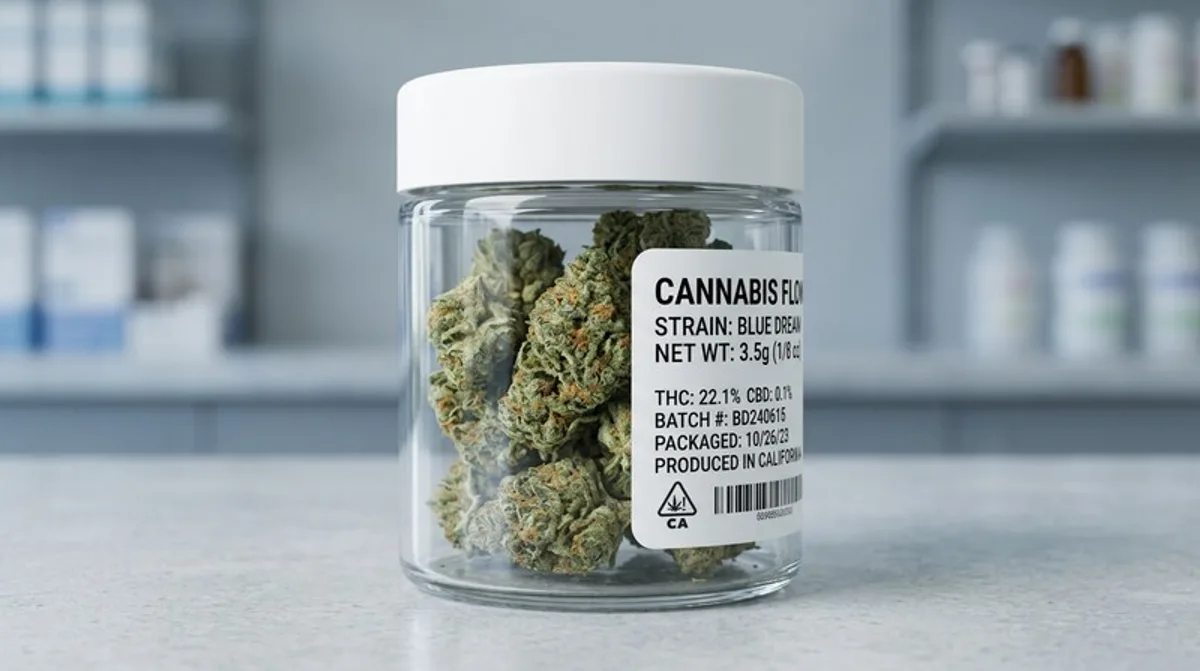
Cannabis quality: laboratory tests, pesticides & contamination