
Cannabis and Hormones: Testosterone, Fertility and Effects
A frequently asked question among men who regularly consume cannabis: Does THC affect testosterone levels or fertility? The research is not clear-cut — but there are reliable findings regarding specific effects from regular high-dose consumption. What the research says and what it means for everyday life.
The Endocannabinoid System and Hormones
CB1 and CB2 receptors are not only found in the brain and immune system — they are also present in hormone-producing tissues:
- Hypothalamus and pituitary gland (control center of the hormone system)
- Testes and ovaries
- Thyroid and adrenal glands
The ECS regulates the release of GnRH (gonadotropin-releasing hormone), the overarching signal for testosterone and estrogen production. THC interferes with this system — which can explain why regular use can cause measurable hormonal changes.
Cannabis and Testosterone: What the Studies Show
The research on cannabis and testosterone is heterogeneous — different studies show conflicting results. Summary of the most robust findings:
- Acute Effect: Single or occasional THC exposure shows no consistent testosterone decline in controlled studies
- Chronic High-Dose Use: Several studies (including Gundersen et al., 2015) show reduced testosterone levels in regular daily users — effect size moderate
- Mechanism: THC suppresses the release of LH (luteinizing hormone) from the pituitary gland, which in turn regulates testosterone production in the Leydig cells of the testes
- Reversibility: Hormone levels normalize in most cases within a few weeks after abstinence
Important: Moderate occasional users (1–3 times per week) show no significantly reduced testosterone levels in most studies. The risk is dose-dependent.
Effects on Sperm and Male Fertility
Here the evidence is more robust than for testosterone alone:
- Sperm motility: THC reduces the forward motility of sperm (inhibition of hyperactivation) — CB1 receptors are highly expressed on sperm. The effect has been demonstrated in vitro and in vivo.
- Sperm concentration: Regular consumers show reduced sperm concentration in ejaculate in several cohort studies
- Sperm morphology: Some studies show higher proportions of morphologically abnormal sperm
- Fertilization capacity: Reduced binding capacity to oocytes in animal models
Practically relevant: When planning active fertility attempts, it is medically recommended to stop using cannabis three months before the attempt — spermatogenesis takes about 74 days, and fresh sperm are not affected by the last consumption period.
Prolactin: An often overlooked effect
THC can increase prolactin secretion. Elevated prolactin (hyperprolactinemia) has secondary effects:
- Suppresses GnRH → reduced LH/FSH release → lower testosterone production
- Can contribute to gynecomastia (breast tissue growth) in men — rare, but documented in high-dose consumers
- Reduced libido in cases of persistent hyperprolactinemia
This effect is more relevant with chronic, high-dose use — not with occasional use.

Female Hormonal Balance: What Applies to Women?
The research on women is less extensive, but initial findings exist:
- Menstrual cycle: Regular THC use can influence cycle length and regularity (suppressed LH surge)
- Ovulation: Delayed or suppressed ovulation in some studies with daily use
- Estrogen: THC has weak estrogenic activity (binds to estrogen receptor) — clinical relevance of human consumption unclear
- Fertility: Increased rate of anovulatory cycles with heavy use — recommendation: abstinence when trying to conceive
CBD and Hormones: A Mild Effect
CBD shows less pronounced hormonal effects than THC:
- CBD has no direct agonistic activity at CB1 receptors (antagonistic/modulating) — therefore less suppression of LH
- Some studies show that CBD can lower cortisol levels (anti-stress effect) — which could indirectly stabilize testosterone levels
- At therapeutic CBD dosages (up to about 150 mg/day): no clinically relevant influence on testosterone is known
Practical Recommendations
Summary for different situations:
- Occasional use (1–3 times per week): According to current knowledge, no relevant long-term effect on testosterone or fertility in healthy adults
- Daily use: Have testosterone levels and sperm quality checked (blood test at the doctor, sperm analysis at the urologist)
- Trying for a child: At least 3 months of cannabis abstinence before attempting — for both partners
- Active strength training with a testosterone focus: Chronic daily use can weaken training adaptations due to LH suppression
The endocannabinoid system regulates much more than pain perception:
When trying to conceive or during pregnancy, special caution is needed:
Cannabis affects not only sex hormones but also insulin sensitivity and BMI:
Frequently asked questions about cannabis and hormones

Infused Kitchen at FIV: The new cannabis cooking portal
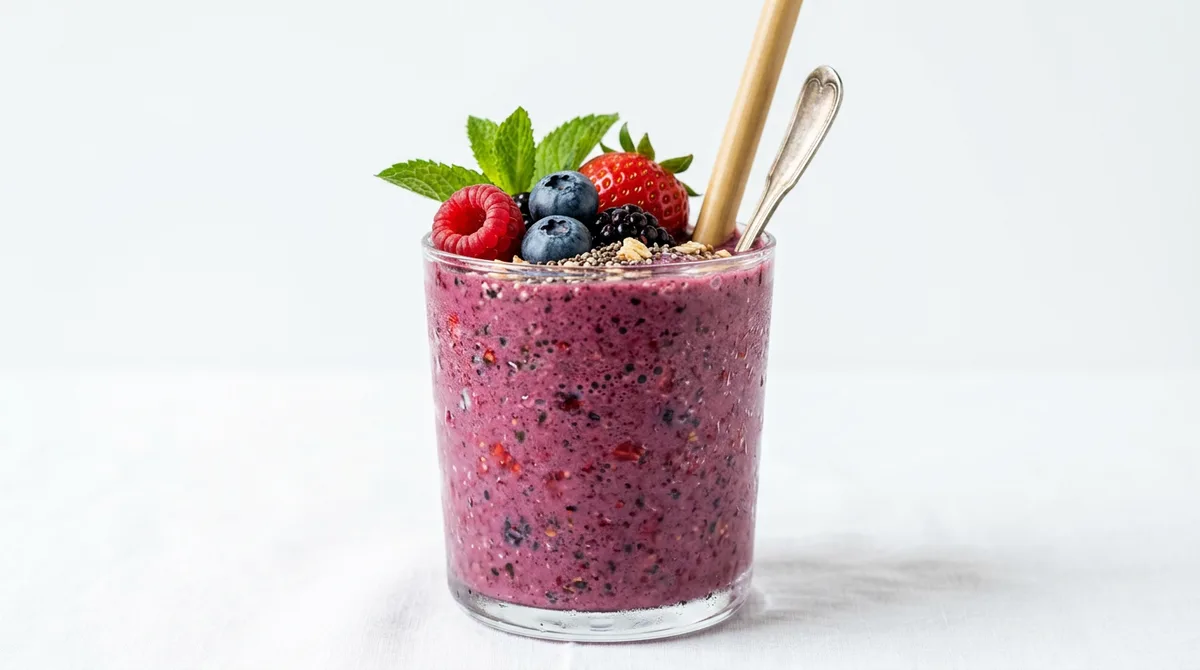
Cannabis Drinks: Smoothies, Tea, Golden Milk & Recipes

Cannabis Grillen: BBQ, Marinaden & Rezepte für den Sommer
Infused Kitchen: Cannabis recipes for baking, cooking, grilling & drinks

Social Media Ads: More Sales Through Targeted Online Marketing

Career start after studies: What recruiters are really looking for