
Cannabis Terpenes: Myrcene, Linalool, β-Caryophyllene and the Entourage Effect
Two strains with identical THC content can have completely different effects — a phenomenon that has long puzzled cannabis research. The answer lies to a large extent in the terpenes: volatile aromatic compounds that not only determine the scent but also directly influence the effect. Anyone choosing strains deliberately cannot avoid terpene profiles.
What are Cannabis Terpenes?
Terpenes are a large class of organic compounds produced by many plants:
- Formation: Produced in the trichomes of female cannabis flowers — the same gland structures that produce THC and CBD. Terpenes are formed from geranylpyrophosphate, a common precursor molecule shared with cannabinoids
- Function in the plant: Primarily defense against herbivores and fungi, attracting pollinators. Evolutionary developed biochemistry — not optimized for human consumers
- Over 100 identified terpenes: More than 100 different terpenes have been identified in cannabis extracts. The dominant 5–10 terpenes determine the profile of each strain
- Volatil and heat-sensitive: Terpenes evaporate at low temperatures (Limonene at ~176°C, Linalool at ~198°C). Vaporizer users can preserve terpenes through low temperatures; many are lost when burning (joints)
- Not psychoactive per se: Terpenes alter the effect through the entourage effect — not through direct CB1/CB2 binding (exception: β-Caryophyllene)
The most important cannabis terpenes in profile
The six dominant terpenes and their characteristic effects:
- Myrcene (Myrcene): The most common terpene in cannabis — present in most strains at 20–65% of the total terpene content. Scent: earthy, musky, slightly fruity. Effect: sedating, muscle-relaxing, potentially enhancing CB1 penetration through blood-brain barrier permeability. Strains: OG Kush, White Widow, indica-dominant strains generally. “Couch-lock” with high myrcene content
- Linalool: Scent: floral, lavender-like. Known from lavender aromatherapy. Effect: anxiolytic (anxiety-reducing), sedative, anticonvulsant (GABA modulation). Clinical studies on linalool for anxiety are promising. Strains: Amnesia Haze (paradoxically despite Sativa dominance), LA Confidential
- Limonene: Scent: citrus, lemon/orange. Effect: uplifting, mood-enhancing, potentially antidepressant through serotonin/dopamine modulation. 5-HT1A agonism has been demonstrated. Strains: Super Lemon Haze, Durban Poison, sativa-dominant strains. Ideal for daytime use
- Β-Caryophyllene (BCP): Scent: peppery, spicy, woody. Special feature: the only known terpene that acts directly as a CB2 agonist — formally also classified as a “dietary cannabinoid”. Effect: anti-inflammatory, analgesic, anxiolytic — without CB1 activation, thus without psychoactive component. Strains: OG Kush, Sour Diesel, Girl Scout Cookies
- Α-Pinene / β-Pinene: Scent: Pine, pine forest. Effect: alerting (increases attention), inhibition of acetylcholinesterase → protection against THC-induced short-term memory impairment. Bronchodilating (relevant for asthma). Strains: Jack Herer, Bubba Kush, Chemdawg
- Terpinolene: Scent: floral-fruity, slightly resinous. Less commonly dominant terpene. Effect: mildly sedating in high amounts, antioxidant. Strains: Jack Herer, Dutch Treat, Ghost Train Haze
The Entourage Effect: More Than the Sum of Its Parts
The term “Entourage Effect” was coined by Raphael Mechoulam and Shimon Ben-Shabat (1998) and systematized for terpenes by Ethan Russo (2011, British Journal of Pharmacology):
- Core thesis: Cannabinoids (THC, CBD) and terpenes are more effective and nuanced in combination than in isolation. Full-spectrum extracts show different — often more favorable — profiles than isolates
- Mechanismus: Terpenes modulate blood-brain barrier permeability (Myrcene), alter receptor binding affinities, interfere with neurotransmitter systems, and modulate CB1/CB2 downstream signaling pathways
- Linalool + CBD: Combination shows additive anxiolytic effect — both target the same system (reduction of anxiety) through different receptors
- Pinen + THC: α-Pinene reduces THC-induced memory impairment (inhibition of acetylcholinesterase) — explains why some strains with high THC have less of a “cloudy” effect
- BCP + THC: β-Caryophyllene activation of CB2 complements THC’s effect at CB1 with an anti-inflammatory component without additional psychoactivity
- Criticism of the concept: The “Entourage Effect” is well theoretically grounded, but direct clinical evidence from RCTs is largely lacking. Full-spectrum products are nevertheless more pharmacologically advanced than isolates
Terpenes as a purchasing decision: What the terpene profile says
Terpenes are a better strain indicator than the Indica/Sativa dichotomy:
- Indica/Sativa is outdated: Genetic analyses show that the Indica/Sativa classification does not allow reliable predictions of effects. Terpenes and cannabinoid profiles are more informative
- Relaxation/Sleep: High myrcene content + linalool + CBD. Classic examples: Northern Lights, Granddaddy Purple
- Focus/Energy: High limonene content + pinene. Classic examples: Durban Poison, Green Crack (high terpinolene content)
- Pain relief without sedation: β-Caryophyllene-dominant strains + CBD. Anti-inflammatory via CB2, analgesic without strong CB1 sedation
- Laboratory tests: Reputable dispensaries and pharmacies list terpene profiles alongside THC/CBD content. The manufacturer’s COA (Certificate of Analysis) should include terpene data
How THC and CBD work in the endocannabinoid system:
How terpenes are preserved in different extract forms — Live Resin and Rosin:
Frequently asked questions about cannabis terpenes

Infused Kitchen at FIV: The new cannabis cooking portal
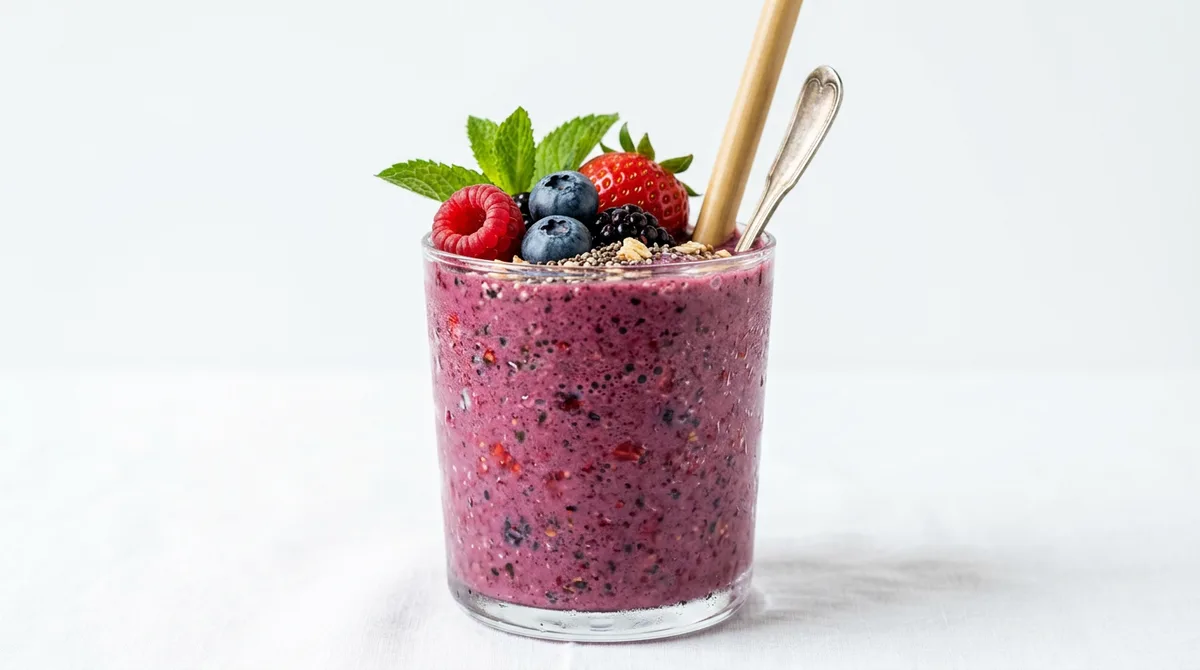
Cannabis Drinks: Smoothies, Tea, Golden Milk & Recipes
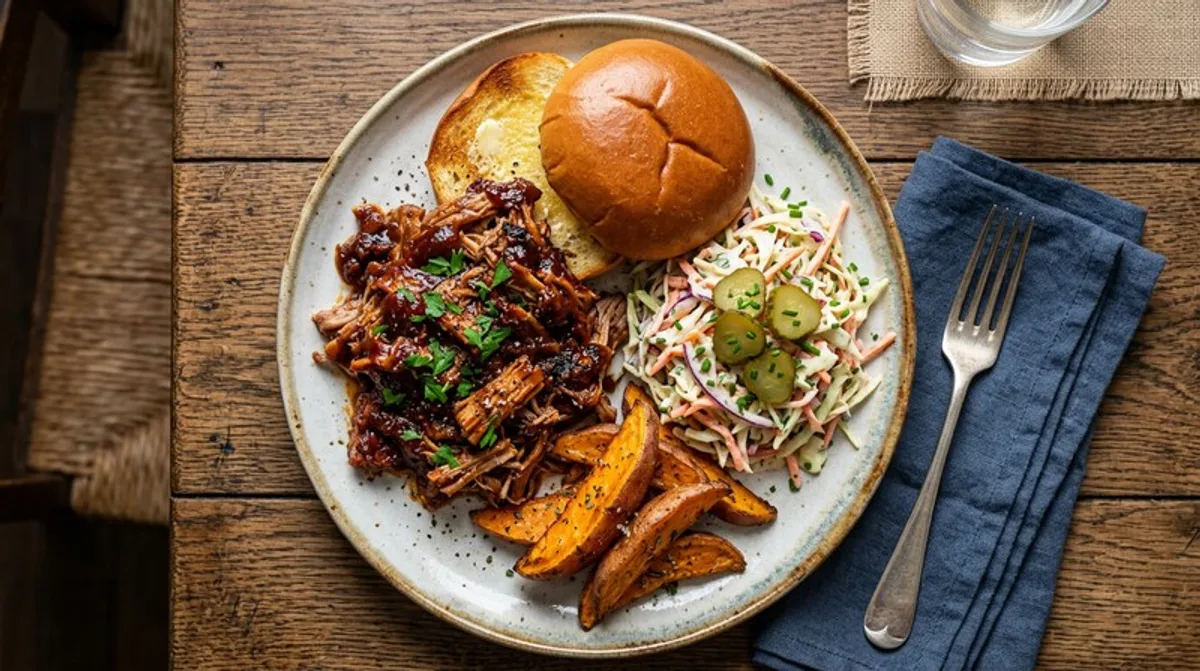
Cannabis Grillen: BBQ, Marinaden & Rezepte für den Sommer
Infused Kitchen: Cannabis recipes for baking, cooking, grilling & drinks

Social Media Ads: More Sales Through Targeted Online Marketing

Career start after studies: What recruiters are really looking for