Tag Archive for: Cannabis

Cannabis in palliative care: pain & quality of life

The most important thing: cannabis reduces the need for opioids in palliative patients by a median of 44% (Mechnik 2018). Dronabinol and nabilone are approved for chemotherapy nausea. Since 2017 on BtMG prescription with SHI reimbursement option. At a glance: Dronabinol (THC) and nabilone are officially approved for chemotherapy nausea Cannabis reduces the need for […]
Delta-8-THC & Delta-10-THC: Effect, difference & law

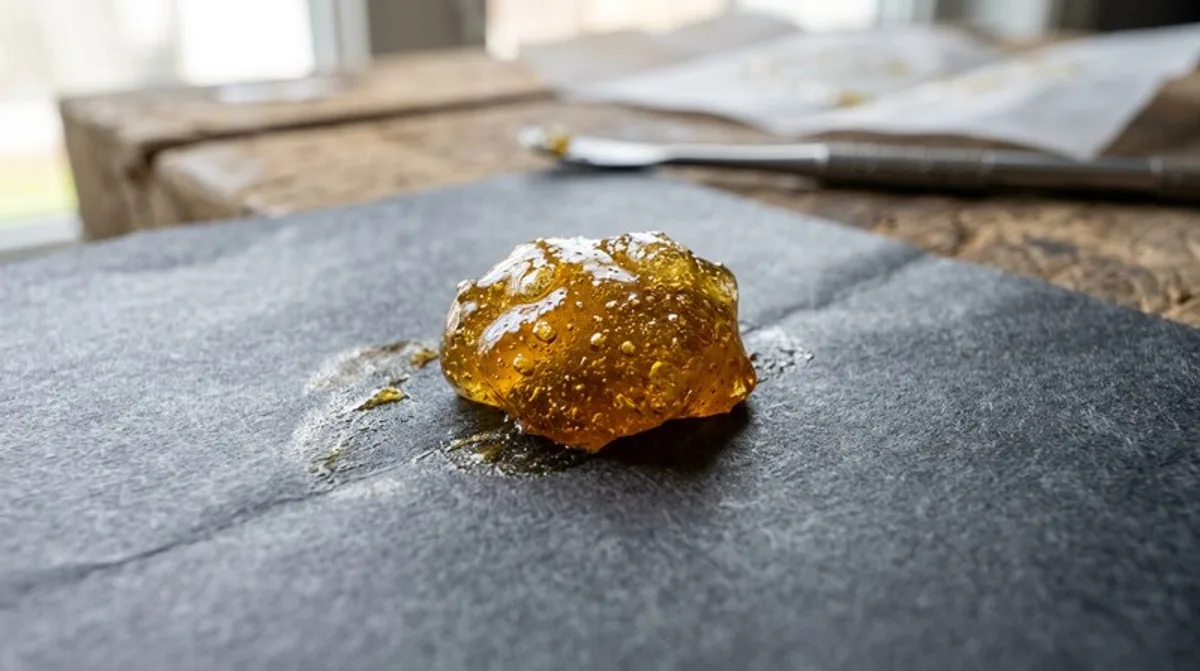
The most important thing: Delta-8-THC is not a natural cannabis substance – it is almost exclusively produced synthetically from CBD. FDA analysis 2021 found dangerous impurities. In Germany it is not “legal THC” – legally it is considered a narcotic. At a glance: Delta-8-THC hardly occurs naturally in plants – almost all products are produced […]

Cannabis forms of consumption: Joint, vaporizer, oil & concentrates

The most important thing: vaporizers deliver 40-56 % bioavailability compared to 25 % with a joint – without tar, without CO, without benzenes. For medical users, vaporizer or sublingual oil is the most pharmacologically sensible way. At a glance: Vaporizer delivers 40-56 % bioavailability – more than twice as efficient as a joint Sublingual oil: […]

Cannabis & body weight: Why stoners are slim

The most important thing: although cannabis increases appetite, users have on average 25% lower obesity rates than non-users. Background: chronic use leads to CB1 downregulation and increased adiponectin. At a glance: Paradox: Cannabis users have 25% lower obesity rates than non-users Chronic use → CB1 downregulation → Metabolic reset of the ECS CBD converts white […]

Cannabis for PMS & menstrual pain

The most important thing: CBD inhibits COX-2 – the same enzyme as ibuprofen – and activates CB1 receptors directly in the uterine muscles. It also has an anxiolytic effect via 5-HT1A. Survey data show 7.6/10 efficacy for menstrual pain. At a glance: CBD inhibits COX-2 – the same mechanism as ibuprofen, but without gastrointestinal risk […]

Entourage effect: How cannabinoids & terpenes interact

The most important thing: According to the study, full-spectrum cannabis requires a lower dose for the same epilepsy control as CBD isolate (Pamplona 2018). Why? Cannabinoids, terpenes and flavonoids work synergistically – this is the entourage effect. At a glance: Full-spectrum needs lower dose than CBD isolate for same effect, according to study Terpenes such […]

Cannabis during the menopause: CBD, hormones & studies

The most important thing: oestrogen directly regulates anandamide levels in the brain. If oestrogen falls during the menopause, anandamide also falls – which explains hot flushes, sleep disorders and mood swings neurobiologically. At a glance: Oestrogen directly regulates anandamide levels – menopause = ECS dysregulation 79% of women surveyed report symptom relief from cannabis (Dahlgren […]

Cannabis edibles: effect, duration & dosage explained

The most important thing: THC is converted in the liver to 11-hydroxy-THC – a metabolite that is up to 3× stronger than THC itself. This explains why edibles have a more intense effect and why topping up after 45 minutes is the classic mistake. At a glance: THC → 11-hydroxy-THC in the liver: up to […]

Cannabis & alcohol: combination, risks & crossfade

Most importantly, alcohol significantly increases gastrointestinal THC absorption. Cannabis + alcohol is not additive – but synergistic. Hartman 2015: The combination doubles driving impairment compared to cannabis alone. At a glance: Alcohol significantly increases the THC plasma concentration (Cmax) – the same dose has a more intensive combined effect Combination of cannabis + alcohol = […]

Cannabis for irritable bowel syndrome: IBS, CBD & intestinal pain

Most importantly, IBS affects 10-15% of the population. IBS patients have increased FAAH activity and lower anandamide levels in the intestine – a measurable ECS deficit directly at the site of the symptoms. At a glance: IBS patients have increased FAAH activity and lower anandamide levels in the gut – measurable ECS deficit CB1 on […]

Cannabis for endometriosis: pain, CBD & study situation

Most importantly, endometriosis lesions express CB1 and CB2 at lower levels than normal endometrium – an ECS hypoactivity directly at the pathology site. CBD inhibited proliferation and invasion of lesions in vitro (Bouaziz 2017). At a glance: Endometriosis lesions express CB1 and CB2 – ECS directly involved in pathophysiology CBD inhibited proliferation and invasion of […]

Indica, sativa & hybrid: strain differences explained

The most important thing: The classic indica/sativa classification is botanical, not pharmacological – and scientifically outdated. The effect depends on the terpene profile: myrcene = sedative, limonene = activating, linalool = anxiolytic. At a glance: Indica/sativa classification is botanical, not pharmacological – scientifically outdated Effect depends on terpene profile: myrcene = sedative, limonene = activating, […]

Cannabis & driving license: THC limit & driving ban

The most important thing: THC limit of 3.5 ng/ml in blood serum has applied since August 22, 2024. In combination with alcohol: limit drops to 1 ng/ml. Chronic users can be above the limit for days. At a glance: Since August 22, 2024: THC limit of 3.5 ng/ml in blood serum – replaces the previous […]

Cannabis during pregnancy: risks & study situation

The most important thing: THC crosses the placental barrier without any problems. The fetal ECS already develops in the first trimester. No known safe limit – the only evidence-based limit is total abstinence. At a glance: THC crosses the placental barrier and binds to CB1 receptors in the fetal brain from the first trimester onwards […]

Cannabis and adolescents: Brain development & risks

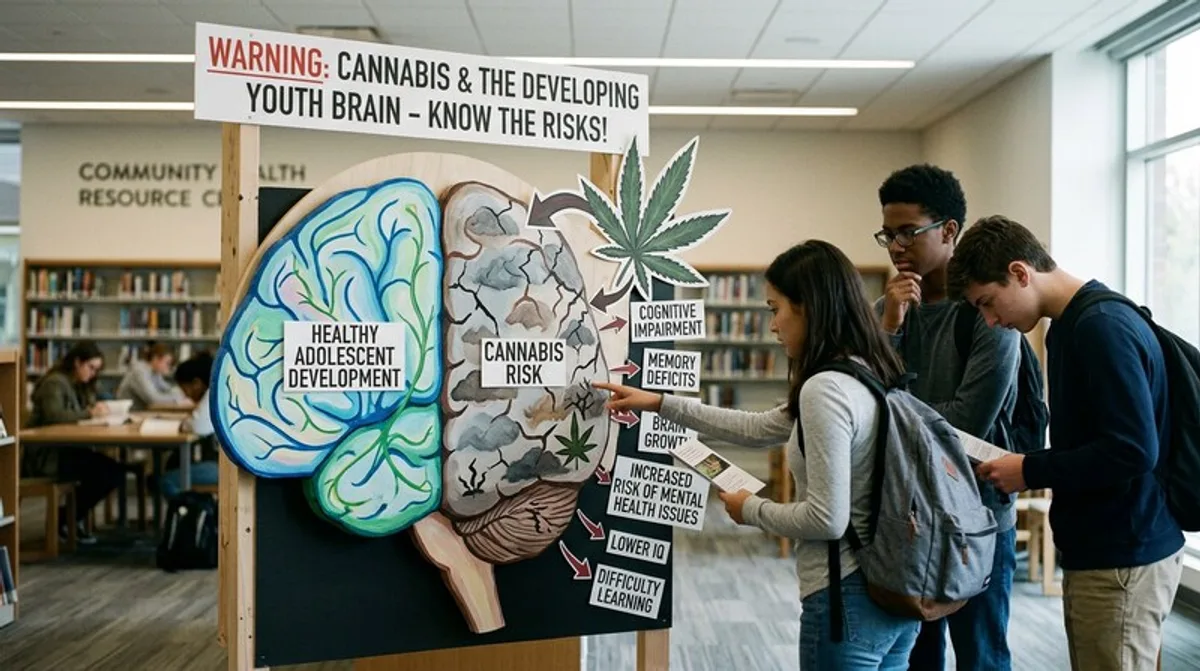
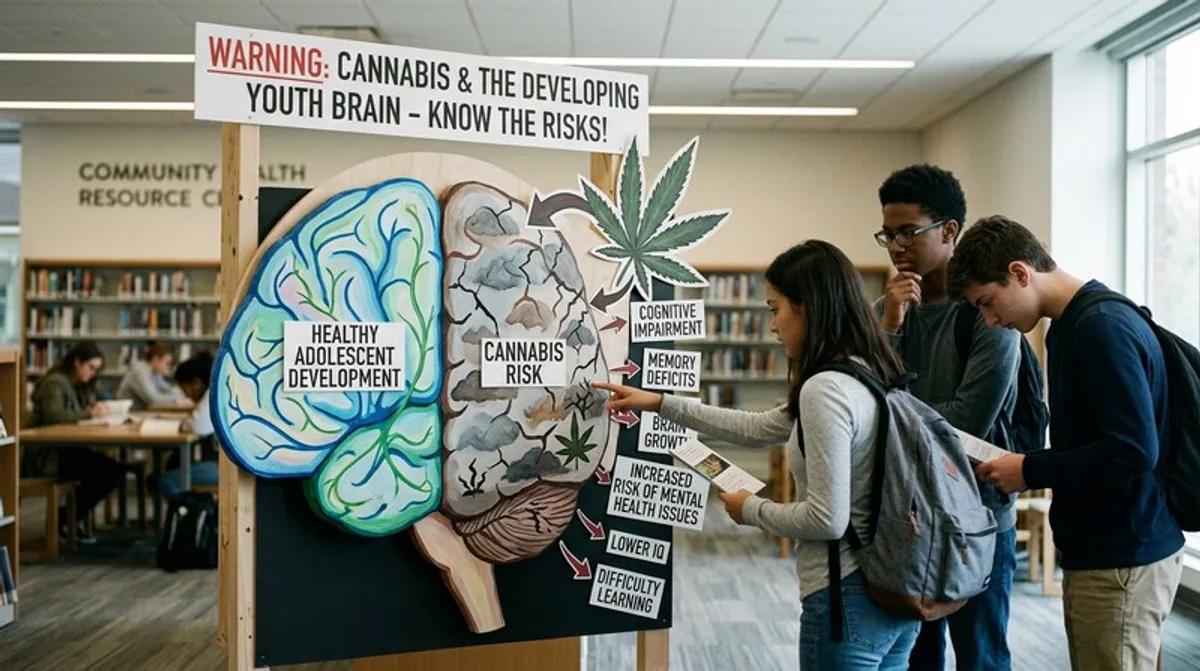
Most important: The brain develops until 25 – endocannabinoids control pruning and myelination. Meier 2012 (n=1037, Dunedin cohort): Start before 15 = 8 IQ point loss by 38. Adults who started after 18: no significant loss. At a glance: Brain development up to 25 – endocannabinoids control pruning and myelination, THC disrupts these processes Meier […]

Cannabis in sports: regeneration, pain & anti-doping

The most important thing: CBD has been WADA-approved since 2018. Cannabis intervenes in inflammatory processes via CB2 and in pain modulation via CB1 – both relevant for regeneration. 26% of recreational athletes already use cannabis for regeneration. At a glance: CBD WADA-approved since 2018 – THC remains banned in competition (150 ng/ml urine) CBD via […]