
Cannabis Interactions: Which Medications Should Not Be Combined?
Who takes cannabis by prescription and simultaneously takes other medications must be aware of possible interactions. Cannabis — specifically THC and CBD — influences liver enzymes that break down many common medications. This can lead to medications being too strong or too weak. This guide explains the most important interactions and which medications require special caution.
The CYP450 System: Why Cannabis Affects Medications
The human body breaks down most medications through the cytochrome P450 enzyme system (CYP450) in the liver. Cannabis — especially CBD — inhibits or induces several of these enzymes. Specifically:
- CBD inhibits CYP3A4 and CYP2C9: These enzymes break down about 60% of all prescription medications. When CBD inhibits these enzymes, many medications are broken down more slowly — higher concentrations of active ingredients in the blood.
- CBD inhibits CYP2C19: Relevant for proton pump inhibitors, some antidepressants, and blood thinners.
- THC affects CYP2C9 and CYP3A4: Similar to CBD, but less pronounced.
Simple rule: The more medications a patient takes, the more important it is to consult a doctor or pharmacist before starting a cannabis therapy.
Critical interactions: These medications require caution
Blood thinners (anticoagulants)
Warfarin (Marcumar) and other anticoagulants are the most dangerous combination. CBD inhibits CYP2C9, which breaks down warfarin — the concentration of warfarin can dangerously increase, raising the risk of bleeding. Patients taking blood thinners must closely monitor their INR value when starting cannabis.
Antidepressants and anxiolytics
SSRIs (fluoxetine, sertraline, escitalopram) are metabolized via CYP2C19 and CYP2D6. CBD can increase their plasma levels. At the same time, THC can enhance or weaken the effect of SSRIs — individually variable. Tricyclic antidepressants have a higher interaction potential.
Benzodiazepines (Diazepam, Lorazepam) and cannabis combined: Both sedate the nervous system — the combination can lead to enhanced sedation. Possible under medical supervision with low doses, but self-dosing without medical supervision is risky.
Antiepileptics
Here there are both interactions and therapeutic synergy: Clobazam (a benzodiazepine derivative, commonly used in epilepsy) is inhibited by CBD and metabolized more slowly — enhanced effects are possible, but also increased side effects. Valproate combinations have been studied, require medical monitoring.
Blood pressure lowering medications (Antihypertensives)
THC lowers blood pressure short-term (tachycardic phase, then bradycardia). Combined with antihypertensives (beta blockers, ACE inhibitors) this can lead to low blood pressure, dizziness, and falls — especially dangerous in older patients.
Opioids
Cannabis and opioids surprisingly have a therapeutic synergy: In controlled studies, cannabis-opioid combinations show better effectiveness at lower opioid doses for chronic pain. This is called the “opioid-sparing effect.” However: Adjusting opioid doses on your own is dangerous — only under medical supervision.
Statins (cholesterol medications)
Atorvastatin, simvastatin, and other statins are metabolized via CYP3A4. CBD can increase their plasma levels — increasing the risk of muscle damage (rhabdomyolysis). Lovastatin and simvastatin are particularly susceptible. Pravastatin is an alternative with less CYP3A4 dependency.

Interactions often overlooked
Alcohol: Cannabis and alcohol enhance each other’s sedating effects. THC slows down alcohol metabolism, so the peak blood alcohol level can be higher and occur later than expected.
Caffeine: Minimal interactions. Caffeine can intensify cannabis-induced heart palpitations — relevant for patients with heart conditions or anxiety.
Grapefruit juice: Inhibits CYP3A4 similarly to CBD — when taken concurrently with CYP3A4-dependent medications, there is an additive risk of drug interactions.
What patients should do
- Provide a medication list: When discussing medical cannabis with your doctor, list all medications (including OTC products and dietary supplements).
- Ask the pharmacist: Pharmacists have access to up-to-date interaction databases and can check specific combinations.
- Monitor blood values: Especially when taking anticoagulants and medications with a narrow therapeutic window, schedule regular check-ups.
- Start low: When beginning a cannabis therapy, start with a low dose and observe the effect on other medications.
For medical cannabis and health insurance reimbursement: Medical cannabis | Cannabis health insurance.
To the medical indications: Cannabis for Pain | Cannabis for Anxiety Disorders.
The CYP450 system, through which cannabis interactions occur, is part of the endocannabinoid system. Basics:
Those who combine cannabis with sleeping pills: Cannabis for Sleep Disorders. For ADHD and stimulants:
The most common interaction in everyday life is cannabis with alcohol:
There are also relevant interactions in the hormonal system: Cannabis and Hormones: Testosterone, Fertility and Effects — THC and CB1 receptors in testes and pituitary gland, prolactin increase and reversibility.
Special interactions apply for pain patients combining cannabis with analgesics:
Heart patients need to be aware of special interactions: Cannabis and Heart Health: Tachycardia, Blood Pressure and Risks — tachycardia mechanism, interactions with beta blockers, calcium channel blockers and anticoagulants.
For patients with autoimmune diseases, interactions with immunosuppressants are particularly relevant: Cannabis and the Immune System: CB2 Receptors and Inflammation — how cannabis modulates the immune system and when caution is needed.
Drug interactions occur exactly where THC is metabolized: Cannabis and the Liver: What THC Does to Metabolism — CYP3A4/CYP2C9 in the liver, first-pass effect and what to consider in liver disease.
Particularly relevant when taking antiepileptic drugs such as valproate or clobazam: Cannabis and Epilepsy: CBD, Epidiolex and the State of Research — how CBD inhibits CYP2C19/CYP3A4 and why the Epidiolex dose must be adjusted when taking other medications.
Especially critical CYP interactions in cancer patients undergoing chemotherapy:
Cannabis and diabetes — interactions with antidiabetic drugs and blood sugar monitoring: Cannabis and Diabetes.
CBD and epilepsy — CYP2C19 interaction with clobazam and other antiepileptic drugs:
Cannabis and heart disease — cardiovascular risk, tachycardia and heart medications: Cannabis and the Heart.
Frequently Asked Questions about Cannabis Interactions
- Kann ich Cannabis mit Blutdruckmitteln nehmen?
- Mit Vorsicht. THC senkt kurzfristig den Blutdruck, was in Kombination mit Antihypertensiva zu zu niedrigem Blutdruck und Schwindel führen kann. Ärztliche Überwachung ist zwingend notwendig. Besonders ältere Patienten haben ein erhöhtes Sturzrisiko.
- Beeinflusst CBD Warfarin (Marcumar)?
- Ja — und das ist eine der wichtigsten Wechselwirkungen. CBD hemmt das Enzym CYP2C9, das Warfarin abbaut. Der Warfarin-Spiegel kann steigen, was das Blutungsrisiko erhöht. Patienten, die Warfarin nehmen und Cannabis beginnen, müssen engmaschige INR-Kontrollen vereinbaren.
- Darf ich Cannabis und Antidepressiva kombinieren?
- Unter ärztlicher Aufsicht möglich, aber nicht ohne Risiken. CBD kann den Spiegel mancher SSRIs erhöhen. THC kann die antidepressive Wirkung beeinflussen — sowohl verstärkend als auch abschwächend. Eigenständiges Kombinieren ohne ärztliche Begleitung ist nicht empfehlenswert.
- Gibt es Medikamente, die man problemlos mit Cannabis kombinieren kann?
- Einige Medikamente haben kaum Interaktionspotenzial mit Cannabis, etwa Paracetamol (kein CYP3A4/2C9-Substrat), Pravastatin (kaum CYP3A4-abhängig) und die meisten Antibiotika. Grundsätzlich sollte jede Kombination mit dem Arzt besprochen werden — auch scheinbar “sichere” Kombinationen.

Infused Kitchen at FIV: The new cannabis cooking portal
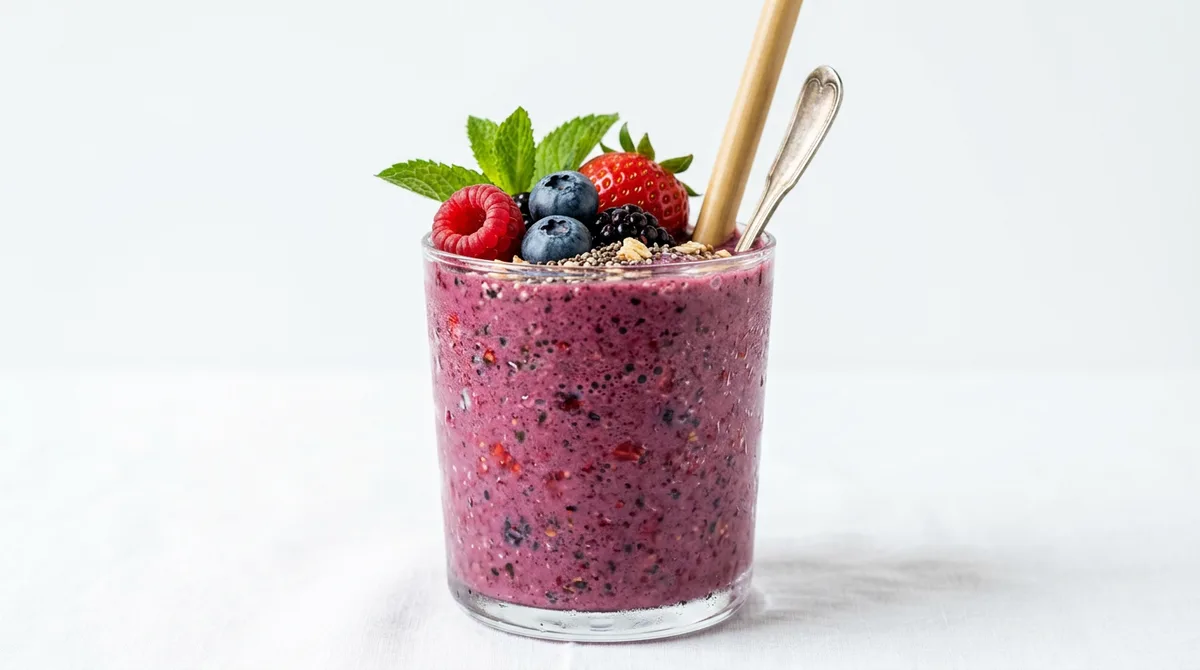
Cannabis Drinks: Smoothies, Tea, Golden Milk & Recipes
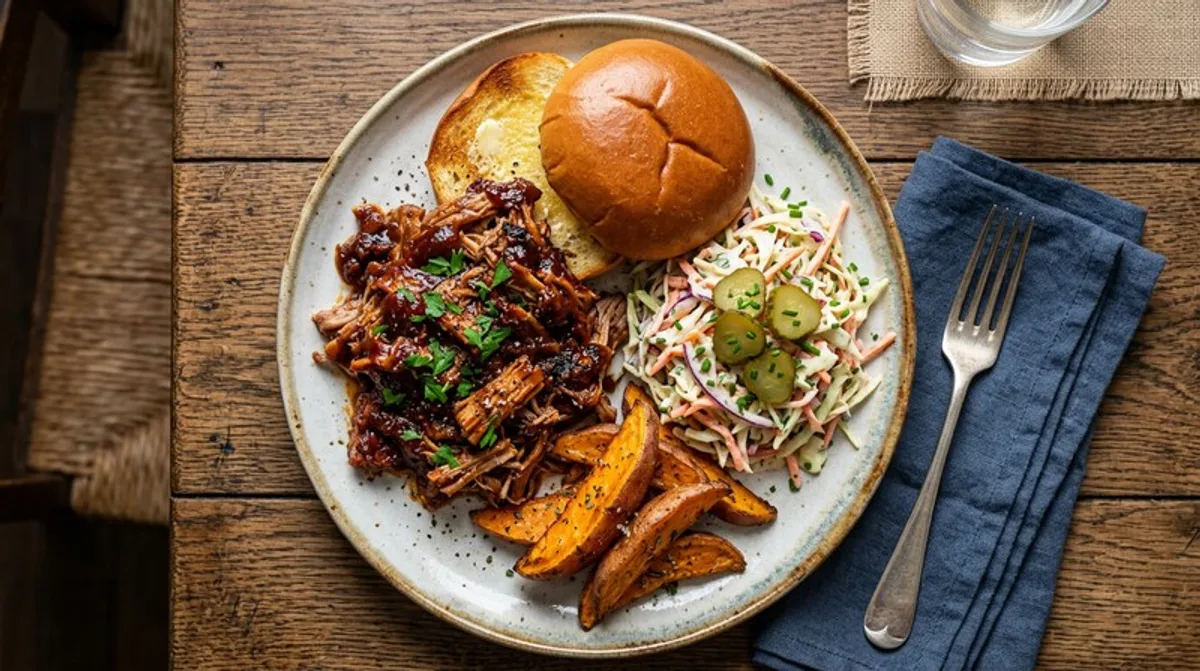
Cannabis Grillen: BBQ, Marinaden & Rezepte für den Sommer
Infused Kitchen: Cannabis recipes for baking, cooking, grilling & drinks

Social Media Ads: More Sales Through Targeted Online Marketing

Career start after studies: What recruiters are really looking for