
Cannabis for Anxiety Disorders: Effects, Strains & Dosage
Anxiety disorders are the most common mental illnesses in Germany after depression — and one of the most common reasons why people apply for a cannabis prescription. At the same time, cannabis can worsen anxiety. This paradox is explained by dosage, strain, and individual response. Here’s what you need to know.
How cannabis affects anxiety: two sides
Cannabis can both relieve and trigger anxiety — depending on the dose and strain, the result is exactly the opposite.
Anxiolytic effect (low dose, high in CBD): At low THC doses and especially with CBD, cannabis acts anxiolytically through several mechanisms: activation of the 5-HT1A serotonin receptor (the same mechanism as SSRIs), modulation of the GABA system via linalool terpenes, and reduction of cortisol through CB1 activation in the limbic system.
Anxiogenic effect (high THC dose, Sativa-dominant): Too much THC, especially in Sativa strains with little CBD counteraction, overactivates the amygdala. The result: racing thoughts, heart palpitations, paranoia. This is not a sign of an allergic reaction, but a pharmacologically explainable overstimulation.
This explains why some anxiety patients swear by cannabis — and others avoid the topic forever after a bad trip.
Anxiety disorders and which subtypes respond
Not all anxiety disorders respond the same way to cannabis:
- Generalized anxiety disorder (GAD): Strongest evidence for cannabis, especially CBD-rich strains. Low THC doses + high CBD reduce constant rumination.
- Social phobia: Mixed evidence. Some patients report clear relief in social situations. Risk: cannabis as an avoidance strategy instead of confrontation.
- PTSD-related anxiety: Strong evidence. THC-containing strains reduce hypervigilance and nightmares through REM suppression.
Cannabis for sleep disorders explains the sleep mechanism. - Panic disorder: Caution! High-potency THC can trigger panic attacks. Only CBD-dominant products or very low THC doses under medical supervision.
- Phobias: Cannabis as part of exposure therapy has been studied in clinical trials — promising approaches, but not yet standard treatment.
The right strains for anxiety disorders
When it comes to anxiety: the less THC, the better for beginners. The THC/CBD ratio is crucial.
CBD-dominant strains/products (first choice): Strains with a 1:1 or 1:2 THC:CBD ratio have anxiolytic effects without strong psychoactive effects. Available in pharmacies in Germany.
Indica with low THC (second choice):
Avoid Sativa strains:
Terpenes as a decision criterion: Strains with high linalool (lavender terpene) and caryophyllene (CB2 agonist) are best suited for anxiety. More about terpenes:
Dosing for anxiety disorders: Start Low, Go Slow
No area in medical cannabis requires more caution than anxiety disorders. Recommended approach:
- Weeks 1-2: 2.5-5mg CBD daily (oral), no or minimal THC
- Weeks 3-4: If well tolerated, add 2.5mg THC in the evening
- Following weeks: Gradually titrate up to the minimal effective dose
- Maximum rule: Less is more — the anxiolytic dose is always below the anxiogenic dose
Cannabis and classical anxiety medications
Important interaction notes:
- SSRI/SNRI: Combination with CBD generally well tolerated. THC can influence serotonin levels — medical supervision recommended when combining.
- Benzodiazepines: Caution. Additive sedative effect. Never combine without control. Cannabis can help reduce benzodiazepines, but only under medical supervision.
- Beta-blockers: Well tolerated. Cannabis and beta-blockers complement each other pharmacologically in situational anxiety.
Cannabis recipe for anxiety disorders
Anxiety disorders are an established indication for medical cannabis in Germany when conventional therapies are insufficient. The Cannabis recipe from 9.99 Euro can be obtained completely online through a
Common questions
- Does cannabis help with anxiety or does it cause more anxiety?
- This depends strongly on the THC dose and strain. Low THC doses (under 7.5 mg) have an anxiolytic effect. High doses can intensify anxiety — especially in inexperienced users. CBD has an anxiety-reducing effect without this paradox and is therefore the safer choice for patients with anxiety.
- Which cannabis strain for anxiety disorders?
- Strains rich in CBD with low THC (under 10%), linalool-dominant indica hybrids or strains like AC/DC are the mildest options. Avoid: high THC strains (over 20%), pure sativas with high terpinol content — these can trigger rather than alleviate anxiety.
- Can I use cannabis for social phobia?
- Studies show positive effects for situational anxiety at low CBD/THC doses. For generalized anxiety disorders, the data is mixed — medical cannabis should be used here as a complement to psychotherapy, not as a replacement.
- How can I combine cannabis with other anxiety medications?
- Beta-blockers and cannabis: well combinable. SSRIs and cannabis: generally safe, but inform your doctor. Benzodiazepines and cannabis: caution with combined sedative effects, only under medical supervision.
Further indications:
Setting and Mindset: Avoiding Anxiety Triggers with Cannabis
Cannabis can cause anxiety — or alleviate it. What happens depends strongly on the context. The concept of “set and setting” (coined by psychologist Timothy Leary) also applies to medical cannabis for anxiety disorders.
Triggers that can intensify anxiety:
- Unknown environment during the first use of a new strain
- Social pressure or expectations from others
- Too high a dose, especially with sativa-dominant strains
- Consumption when already tense or under stress
- Combining with caffeine or other stimulants
Protective factors for anxiety-free consumption: Familiar, calm environment. Low starting dose (2.5 mg THC). Someone familiar present. CBD as a “buffer” — CBD measurably reduces the anxiogenic properties of THC. Strains with a high myrcene content have a more favorable anxiety profile than strains low in linalool.
Cannabis protocol recommended: Those using cannabis for anxiety disorders should keep a simple diary — strain, dosage, time of day, anxiety level before and after (scale 1-10). Patterns become visible this way. Most teleclinics that prescribe cannabis on prescription actively recommend such monitoring.
Dosage and duration of effect:
Basic knowledge:
Medical cannabis patients often ask how long THC remains detectable in the body after consumption — especially for driving licenses and drug tests:
Whether this indication is recognized by the health insurance: Cannabis health insurance: When does the insurance pay? — with an overview of commonly approved diagnoses and the application process.
For patients starting with dosage or wanting to reduce their daily dose: Cannabis Microdosing: How little is enough? — practical guide with titration schema.
The mechanism behind the anxiolytic effect of CBD and low-dosed THC:
Anxiety patients on antidepressants or benzodiazepines:
Anxiety patients taking cannabis and needing to stay mobile:
Anxiety patients wanting to quit cannabis:

Infused Kitchen at FIV: The new cannabis cooking portal
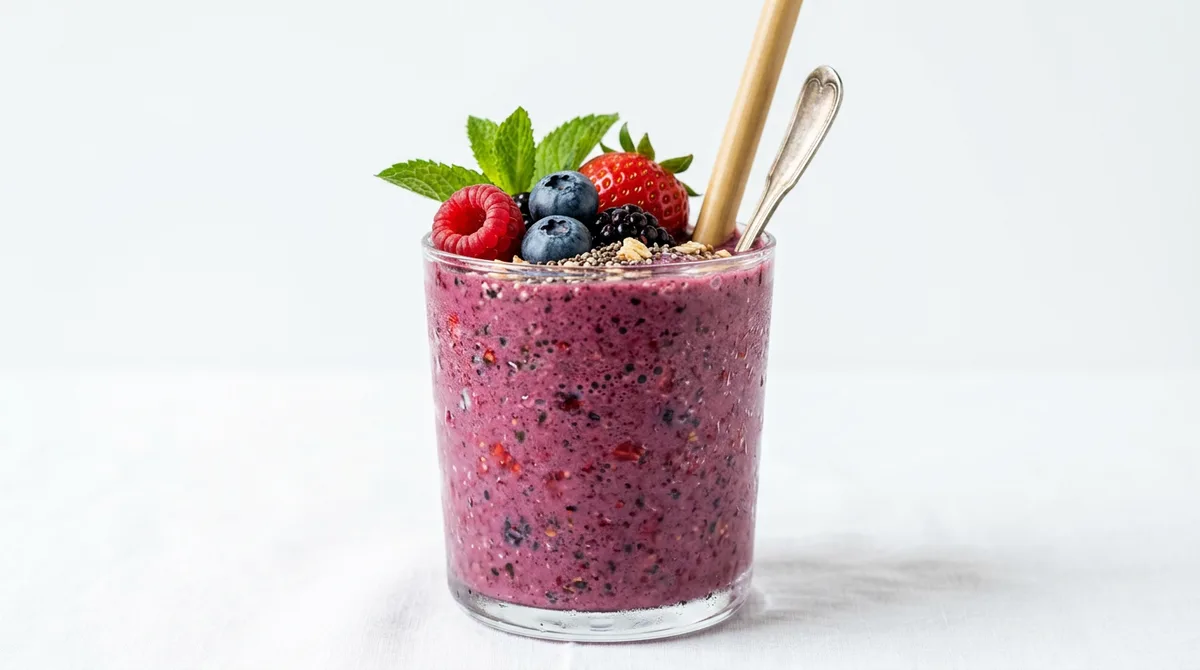
Cannabis Drinks: Smoothies, Tea, Golden Milk & Recipes
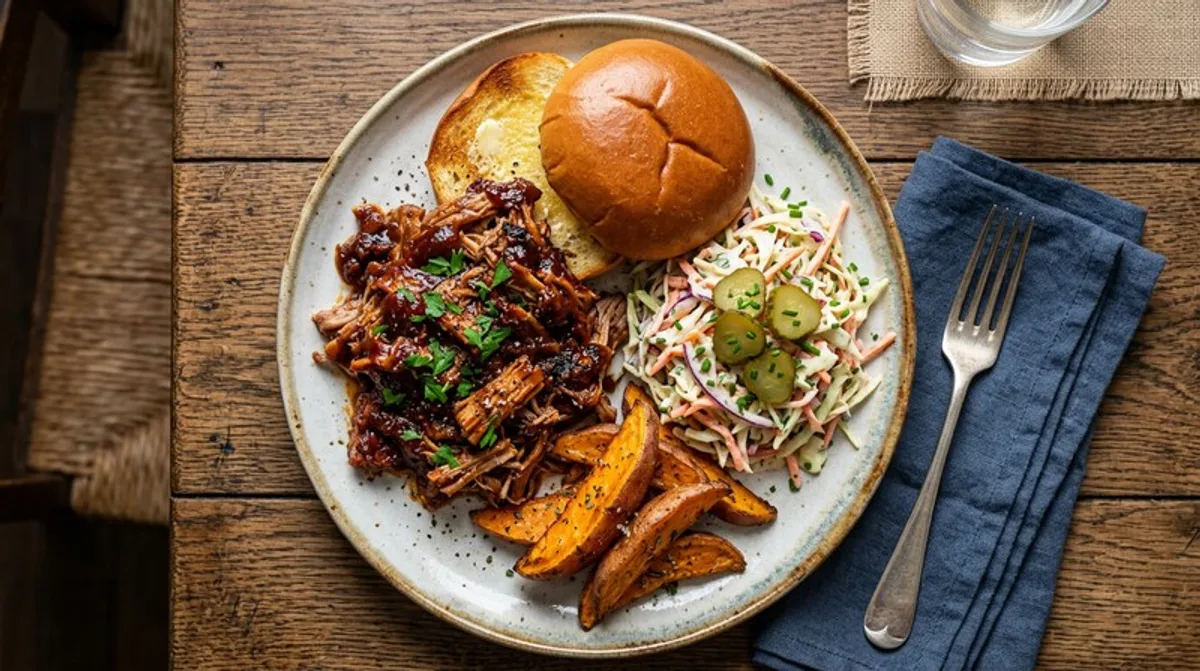
Cannabis Grillen: BBQ, Marinaden & Rezepte für den Sommer
Infused Kitchen: Cannabis recipes for baking, cooking, grilling & drinks

Social Media Ads: More Sales Through Targeted Online Marketing

Career start after studies: What recruiters are really looking for










Leave a Reply
Want to join the discussion?Feel free to contribute!