
Cannabis for Pain: Which Strains Help with Chronic Pain
Chronic pain is the most common indication for medical cannabis in Germany. Back pain, nerve pain, migraines, arthritis — for patients for whom conventional pain medications are not effective enough or have too many side effects, cannabis is often a real gamechanger. What science says, which strains work for which types of pain, and how you can get a recipe.
How cannabis works against pain
Cannabis works through the endocannabinoid system (ECS) — a body’s own signaling system that is centrally involved in pain regulation. CB1 and CB2 receptors are found throughout the nervous system, especially densely in pain-processing areas such as the spinal cord, the thalamus, and the amygdala.
THC as an analgesic: THC binds to CB1 receptors and inhibits the transmission of pain signals. It also changes the emotional evaluation of pain — patients report that the pain is still perceptible, but no longer as burdensome. Particularly effective for neuropathic pain, where classical analgesics fail.
CBD as an anti-inflammatory agent: CBD works through several mechanisms: as a TRPV1 antagonist (pain receptor), as an adenosine reuptake inhibitor, and as an anti-inflammatory agent through CB2 receptors in the immune system. Particularly relevant for inflammatory pain causes such as arthritis or autoimmune diseases.
Terpenes as synergists: Caryophyllene acts directly as a CB2 agonist with anti-inflammatory potential. Myrcene enhances the effect of THC. The combination of cannabinoids and terpenes (“entourage effect”) has been proven to be more effective than isolated THC or CBD.
Pain types and the right cannabis strains
Not every type of pain reacts the same way to cannabis. The choice of strain should consider the specific type of pain.
Neuropathic pain (nerve pain): Here, cannabis shows the strongest evidence. Studies demonstrate significant pain reduction in diabetic neuropathy, HIV-related neuropathies, and chronic regional pain syndrome. Recommended: indica-dominant high-THC strains with a high caryophyllene content —
Inflammatory pain (arthritis, rheumatic diseases): CBD-rich strains or 1:1 combinations are particularly effective. Strains rich in caryophyllene address the inflammatory core.
Migraine and headaches: A complex pain type with vascular and neuronal components. Short-acting THC inhalation shows best results during acute attacks. Preventively: regular low-dose CBD administration. Blue Dream is mentioned by many migraine patients.
Muscle pain and back pain: Indica strains with high myrcene content provide the strongest muscle relaxation. Particularly effective when combined with physiotherapeutic measures.
Tumor pain: Highest THC tolerance in this patient group. High-potency strains or full extracts (Rick Simpson Oil) are used in palliative medicine.
Study Says: What Is Actually Proven?
The evidence for cannabis in chronic pain is stronger than often portrayed. Several meta-analyses and systematic reviews show consistent results:
- National Academies of Sciences (2017): High evidence for cannabis in chronic pain in adults — one of the strongest recommendations in the report.
- Cochrane Review (Neuropathic Pain): Moderate evidence of effectiveness for nerve pain, especially when other treatments have failed.
- Klinische Beobachtungsstudien Deutschland: Seit Einführung der Medizinalcannabis-Erstattung 2017 zeigen Auswertungen: 79% der Patienten berichten Verbesserung chronischer Schmerzen (BfArM-Begleiterhebung).
What is less well documented: acute pain (postoperative, accidents) — here classical analgesics are still superior.

Dosing for Pain
The principle “start low, go slow” is especially important when treating pain with cannabis. The optimal dose varies greatly from person to person and depends on the type of pain, tolerance, and the product used.
- Beginners (oral use): 2.5mg THC daily, increase by 2.5mg every 3-4 days until effectiveness is achieved
- Inhalation for acute pain: One to two puffs, effect after 5-10 minutes, duration 2-3 hours
- Oral long-term therapy: 10-20mg THC/day in 2-3 doses — proven effective for chronic pain
- CBD-based therapy: 20-40mg CBD daily continuously reduces inflammation, THC as needed for acute pain peaks
Cannabis-recipe for pain patients
Chronic pain is one of the most commonly recognized indications for a cannabis recipe. Since the legalization of cannabis, access has become significantly easier. Through a
More on the topic of medical use: Cannabis as a medicinal plant | Cannabis on prescription. For a comparison of all strains: Overview of cannabis strains.
Frequently asked questions
- Is cannabis effective for chronic pain?
- Clinical studies show that about 30% of patients experience a pain reduction of more than 30%. Cannabis is particularly effective for neuropathic pain and pain that does not respond sufficiently to opioids.
- Which cannabis strain helps with back pain?
- For nociceptive (muscular) pain, Indica strains with Myrcene such as OG Kush are helpful. For neuropathic components, Caryophyllene acts as a CB2 agonist and is particularly anti-inflammatory — for example, Gorilla Glue #4.
- Can cannabis replace opioids for pain patients?
- Studies show an opioid savings of 25-65% for patients who take cannabis as an adjunct. A standalone reduction is not recommended without medical supervision — cannabis acts as an opioid saver, not always as a complete replacement.
- How do I get a cannabis prescription for pain?
- Chronic pain is the most common indication for medical cannabis in Germany. Through a teleclinic, you can obtain the prescription online from 9.99 Euro — without waiting time, completely digital.
Further indications: Cannabis for sleep disorders |
Consumption form and pain: What fits when?
When it comes to chronic pain, the choice of consumption form is at least as important as the choice of strain. Onset time and duration of effect differ significantly — for pain patients, this is crucial:
- Vaporizer (recommended for acute pain): Onset in 5-10 minutes, duration 2-3 hours. Ideal for breakthrough pain that needs quick relief. Dosage is well controllable. Medical standard in Germany.
- Oils and tinctures (for chronic pain): Onset after 30-90 minutes, duration 4-8 hours. Ideal for constant background pain (e.g. neuropathy, fibromyalgia). CBD oil is available without a prescription — a prescription is required for THC-containing oils.
- Capsules (for planned therapy): Onset time 60-120 minutes, duration up to 8 hours. Good for patients who want to consume discreetly and without smell. Dosage is precise, but there is little room for quick adjustments.
A common mistake: patients switch consumption methods during dosage titration. This distorts the results. Recommendation: first stabilize one consumption method for 2-4 weeks, then optimize. More about the individual strains for pain indications:
Dosage and duration of effect: Cannabis duration of effect explained — Vaporizer vs. oil vs. capsules for patients.
Basic knowledge: CBD vs. THC: explained — effects, legality and when CBD is the better choice.
Medical cannabis patients often ask how long THC remains detectable in the body after consumption — especially for driver’s licenses and drug tests:
Whether this indication is recognized by the health insurance: Cannabis Health Insurance: When does the insurance pay? — with an overview of frequently approved diagnoses and the application process.
For patients who want to start with the dosage or reduce the daily dose: Cannabis Microdosing: How little is enough? — practical guide with titration scheme.
How cannabis blocks pain signals via CB1 and CB2 receptors:
Pain patients taking opioids, NSAIDs or other analgesics:
Pain patients with inhalation on prescription: Cannabis Vaporizer: The best devices for medical cannabis — which devices are suitable for regular therapy.
Pain patients who prefer oral cannabis:

Infused Kitchen at FIV: The new cannabis cooking portal
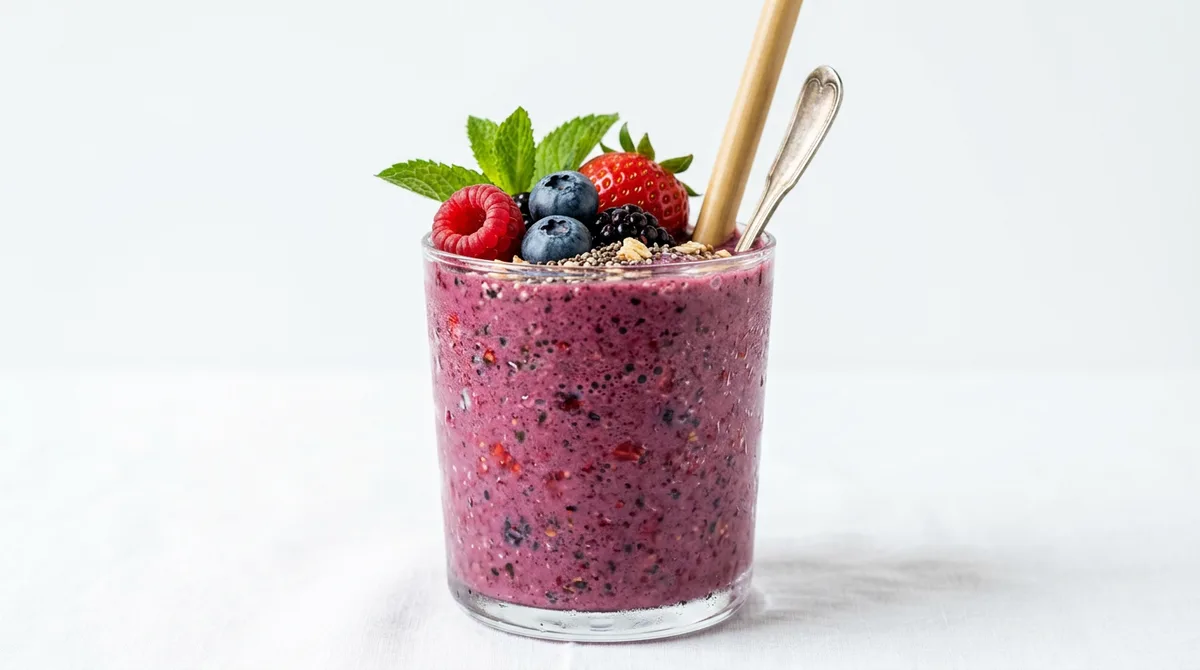
Cannabis Drinks: Smoothies, Tea, Golden Milk & Recipes
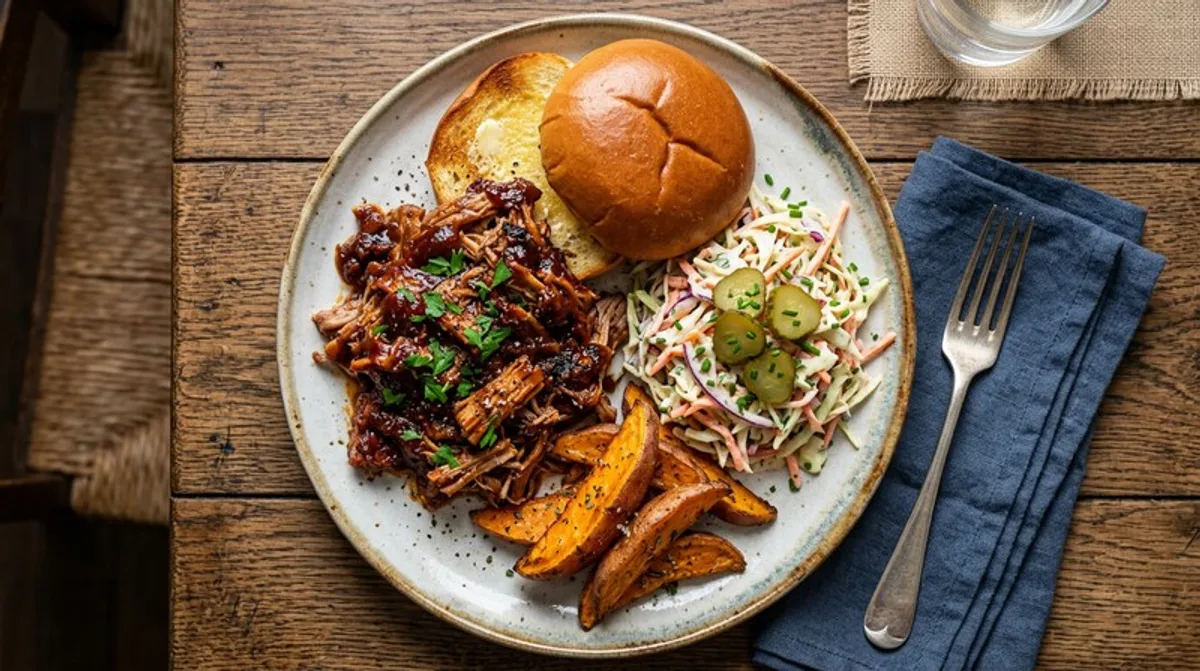
Cannabis Grillen: BBQ, Marinaden & Rezepte für den Sommer
Infused Kitchen: Cannabis recipes for baking, cooking, grilling & drinks

Social Media Ads: More Sales Through Targeted Online Marketing

Career start after studies: What recruiters are really looking for















Leave a Reply
Want to join the discussion?Feel free to contribute!