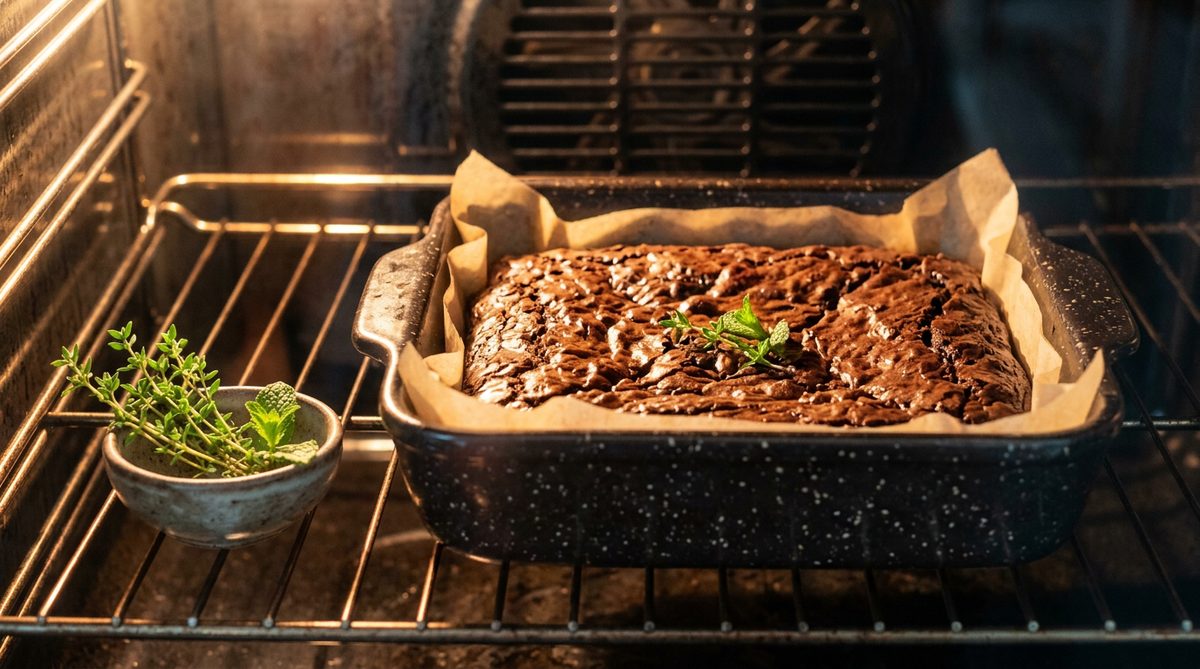
Cannabis Duration of Effect: How long does cannabis really last?
How long does cannabis last? The answer surprises many: Not two hours, not six — but everything in between, depending on the method of consumption. The duration of effect is one of the biggest differences between vaporizers, oil, and edibles, and it is crucial for medical patients. This article explains the duration of effect for each method of consumption, which factors influence it — and how long THC remains detectable in the body.
Duration of Effect by Method of Consumption
The duration of cannabis effects varies greatly depending on the method of consumption — from under an hour to eight hours:
- Inhalation (Vaporizer): Onset of effect after 5–15 minutes. Duration of effect: 2–3 hours, peak after 30–60 minutes. The fastest and most precisely dosable method. THC is absorbed directly into the blood through the lungs. Recommended for acute symptoms such as breakthrough pain or acute anxiety states.
- Inhalation (Joint/Pipe): Similar onset to vaporizers, but combustion byproducts reduce the health benefits. Duration of effect is similar: 2–3 hours.
- Oils and tinctures (sublingual): Onset of effect after 15–45 minutes, duration 4–6 hours. Absorption through the oral mucosa is faster than through the digestive tract. Ideal for consistent long-lasting effect in chronic conditions.
- Capsules and edibles: Onset of effect after 45–120 minutes — this is the critical mistake of many beginners: the effect seems not to kick in, so they take more, and the full effect comes delayed. Duration: 4–8 hours, up to 10 hours with high doses. Slowest, but longest-lasting option.
- Patches (transdermal): Even delivery over 8–12 hours. Used for chronic pain and sleep disturbances. In Germany still rarely prescribed, but available.
What influences the duration of effect?
Same strain, same dose — yet different duration of effect? This is due to individual factors:
Tolerance: Regular consumers build up tolerance. The effect sets in faster, but also wears off faster and is subjectively weaker. A tolerance break (4–14 days) can fully reset sensitivity.
Body fat percentage: THC is lipophilic — it accumulates in fat tissue. People with a higher body fat percentage store THC longer in the tissue, which prolongs the detectable duration, but not necessarily the duration of effect.
Meal: Those who consume with a full stomach (especially edibles) experience a slower onset but often a longer duration of effect. Fatty meals measurably enhance oral THC absorption.
THC content and terpene profile: High-potency strains (>25% THC) have a longer, more intense effect with the same amount. The
THC in the body: How long detectable?
The duration of effect and the detectability of THC are two completely different concepts — they are often confused.
Effect vs. Detectability: Cannabis takes effect for 2–8 hours. However, THC-COOH (the metabolite) can be detected in urine for much longer:
- Occasional use (1–3 times/week): Urine detection up to 3–4 days
- Regular use (4+ times/week): Urine detection up to 14 days
- Chronic use (daily): Urine detection up to 30 days or longer
- Blood detection: THC in blood: 1–2 days (for occasional use). Relevant for road traffic.
- Hair detection: Up to 90 days in hair samples. Forensically relevant, not common for routine checks.
Important for drivers: The legal limit for THC in road traffic in Germany is 3.5 ng/ml THC in the blood. This roughly corresponds to a sobering period of 12–24 hours after last use, but varies greatly on an individual basis. In doubt: do not drive.
Microdosing: Using short-term effects strategically
Microdosing — 1–3 mg THC instead of the usual 5–20 mg — produces a measurable, shorter but more consistent effect. The concept is particularly relevant for patients with
When microdosing via vaporizer: typical duration of effect 60–90 minutes. No high, no cognitive impairment — but measurable relief from pain, tension, or concentration difficulties. A form of therapy that is still little known in Germany, but increasingly used in oncology and among patients with chronic pain.
Duration of effect for medical patients
For patients, the choice of consumption form is directly linked to the duration of effect — and this to the indication:
Chronic pain: Long-acting forms (capsules, oil) for long-term therapy. Vaporizer for breakthrough pain.- Sleep disturbances: Oral forms 2 hours before bedtime — effect lasts the entire night. Indica strains with Myrcene are particularly effective.
- Anxiety disorders: Fast-acting CBD sublingual oils for acute episodes. THC-containing strains only in a secure setting.
ADHD: Microdosing during the day via vaporizer. Indica strains in the evening for sleep and relaxation.
The cannabis recipe for all forms of consumption is available via teleclinic — Medical cannabis: How the process to the pharmacy works in under 48 hours.
The CBD/THC ratio of a strain directly influences the duration and intensity of the effect: CBD slows the breakdown of THC and extends the therapeutic phase. Basics:
The cost of prescriptions varies greatly depending on the telemedicine provider and health insurance. Full comparison: Cannabis prescription free? Price comparison + voucher codes.
For many patients and drivers, beyond the duration of effect, the question of detectability arises:
Patients who want to take cannabis on prescription from the health insurance should know the reimbursement requirements: Cannabis health insurance: When does the insurance pay? — Indications and application process explained.
For patients who want to dose carefully: Cannabis microdosing: How little is enough? — Titration step by step, consumption forms, and when a tolerance break is useful.
How cannabis works at all — the endocannabinoid system, CB1/CB2 and why THC and CBD are so different:
Frequently asked questions about the duration of cannabis effects
- Wie lange wirkt Cannabis beim Rauchen?
- Beim Inhalieren (Vaporizer oder Joint) tritt die Wirkung nach 5–15 Minuten ein und dauert 2–3 Stunden. Der Peak liegt bei 30–60 Minuten. Danach klingt die Wirkung langsam ab.
- Wie lange ist Cannabis im Urin nachweisbar?
- Bei gelegentlichem Konsum (1–3× pro Woche) bis zu 3–4 Tage. Bei regelmäßigem Konsum bis zu 14 Tage, bei chronisch täglichem Konsum bis zu 30 Tage. Der Nachweis bezieht sich auf THC-COOH, nicht auf THC selbst.
- Wie lange wirken Cannabis-Edibles?
- Edibles wirken nach 45–120 Minuten. Die Wirkungsdauer beträgt 4–8 Stunden, bei hoher Dosis bis zu 10 Stunden. Das ist der häufigste Grund für versehentliche Überdosierung: Wer zu früh nachdosiert, weil die Wirkung ausbleibt, bekommt am Ende zu viel.
- Wie lange darf ich nach dem Cannabis-Konsum nicht Auto fahren?
- In Deutschland liegt der Grenzwert bei 3,5 ng/ml THC im Blut. Das entspricht bei gelegentlichem Konsum grob 12–24 Stunden Nüchternheitsdauer. Wer täglich konsumiert, hat ggf. länger nachweisbares THC. Im Zweifel: nicht fahren.
- Was beeinflusst die Wirkungsdauer am stärksten?
- Die Konsumform (inhaliert: 2–3h, oral: 4–8h), der THC-Gehalt, die persönliche Toleranz und ob auf nüchternen Magen konsumiert wurde. Mahlzeiten mit viel Fett verstärken die orale THC-Resorption messbar.

Infused Kitchen at FIV: The new cannabis cooking portal
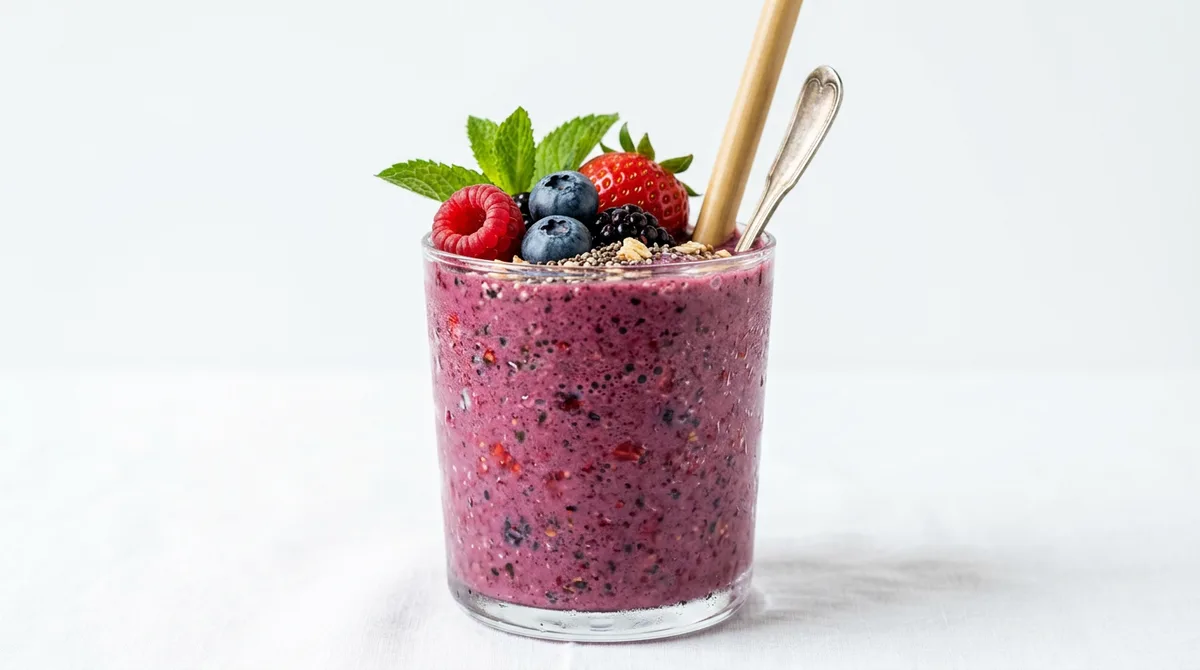
Cannabis Drinks: Smoothies, Tea, Golden Milk & Recipes

Cannabis Grillen: BBQ, Marinaden & Rezepte für den Sommer
Infused Kitchen: Cannabis recipes for baking, cooking, grilling & drinks

Social Media Ads: More Sales Through Targeted Online Marketing

Career start after studies: What recruiters are really looking for