
Cannabis Withdrawal: Symptoms, Duration and How to Quit
Cannabis is often seen as a “harmless” drug — yet for about 9 % of people who use cannabis, dependency develops. This percentage rises to approximately 25–50 % with daily use. Those who stop using cannabis regularly after prolonged consumption often experience physical and psychological withdrawal symptoms. This article explains what happens in the body, how long it lasts, and what kind of support is available.
Is cannabis dependency real?
Yes. Cannabis Use Disorder (CUD) is recognized as a diagnosis in the DSM-5 (American diagnostic manual) and ICD-11 (international classification). This does not mean that every occasional user becomes dependent — but regular, daily use permanently alters the endocannabinoid system.
The body adapts to the constant external THC supply: CB1 receptors are downregulated (desensitization), and the body’s own endocannabinoid production decreases. When THC is no longer present, the system lacks balance — this is the neurobiological basis for withdrawal symptoms.
Cannabis withdrawal: An overview of symptoms
The Cannabis Withdrawal Syndrome (CWS — Cannabis Withdrawal Syndrome) typically occurs 24–72 hours after the last use. Common symptoms:
- Irritability, aggressiveness: The most common and subjectively burdensome symptom
- Sleep disturbances, vivid dreams: Particularly pronounced in the first 1–2 weeks
- Anxiety, inner restlessness: Can feel like a “baseline tension”
- Lack of appetite: Opposite of the well-known munchies effect caused by THC
- Sweating, chills: Physical regulatory disturbances
- Concentration problems: “Brain fog,” forgetfulness
- Depressive mood: Common in the first weeks — often a reason for relapse
Physical withdrawal symptoms such as those seen with alcohol or opioids (seizures, hallucinations) do not occur with cannabis. Cannabis withdrawal is unpleasant, but not medically life-threatening.
How long does cannabis withdrawal last?
The duration depends strongly on frequency of use, duration of use, and individual metabolism:
- Days 1–3: Strongest symptoms begin — irritability, sleep problems, loss of appetite
- Days 4–14: Peak of psychological symptoms, sleep remains difficult
- Weeks 2–4: Gradual improvement, but sleep disturbances and mood swings can persist
- Months 1–3: Psychological craving (desire) can continue without physical symptoms — especially with social triggers
With long-term daily use, sleep disturbances and “brain fog” can last 4–8 weeks before the brain fully recovers.
Why relapses are so common
The cannabis craving has two components:
- Physically: Driven by withdrawal symptoms in the first 2 weeks — diminishes over time
- Psychologically/conditioned: Certain situations, smells, people, or emotional states (stress, boredom, social situations) trigger the desire — can last months or years
Most relapses do not occur during the acute withdrawal phase, but weeks or months later triggered by an emotional event. This is not a lack of willpower — it is conditioned learning. Cognitive behavioral therapy (CBT) is more effective here than sheer willpower alone.
Strategies to Quit
What is scientifically proven to be effective:
- Abstinent quitting (“Cold Turkey”): More intense withdrawal symptoms, but a clear cut — works better for some than gradual reduction
- Gradual reduction: Useful for very high consumption to alleviate symptoms. In 25% steps over 2–4 weeks
- Trigger analysis and avoidance: In the first weeks consistently avoid situations associated with cannabis
- Exercise: Increases endocannabinoid production (anandamide), improves sleep and mood — best non-pharmacological intervention
- Sleep hygiene: Consistent sleep schedule, no caffeine after 2 PM, cool bedroom — sleep disturbances are the most common reason for relapse
Support services in Germany
Who is looking for professional support:
- Federal Center for Health Education (BZgA): Telephone counseling 0800 1 31 20 31 (free of charge, Mon–Thu 10–22, Fri–Sun 10–18)
- Drug counseling centers (Caritas, AWO, Diakonie): Available in every city, often free and anonymous
- Substitol/Sativex: No established medical treatment for cannabis withdrawal — unlike with opioids, there is no approved substitution medication
- Behavioral therapy (CBT, MET): Motivational Enhancement Therapy and cognitive behavioral therapy show the best success rates in studies
Who wants to understand why THC has such a psychological effect:
Who notices psychosis symptoms after withdrawal: Cannabis and Psychosis: Risks and Facts — when medical evaluation is necessary.
The difference between T-break and withdrawal: Cannabis Tolerance & T-break: How the Reset Works — a tolerance break without dependence is a conscious reset, not withdrawal.
If teenagers want to quit: Cannabis and Teenagers: Risks for Brain Development — early intervention is especially effective in adolescents, as the brain still has high plasticity.
Mood swings during and after withdrawal may indicate a depressive comorbidity:
The stress during cannabis withdrawal has a precise explanation in the HPA axis: Cannabis and Stress: What THC Does to Cortisol and the HPA Axis — CB1 downregulation, cortisol rebound, and why chronic use increases stress reactivity in the long term.
Frequently Asked Questions About Cannabis Withdrawal

Infused Kitchen at FIV: The new cannabis cooking portal
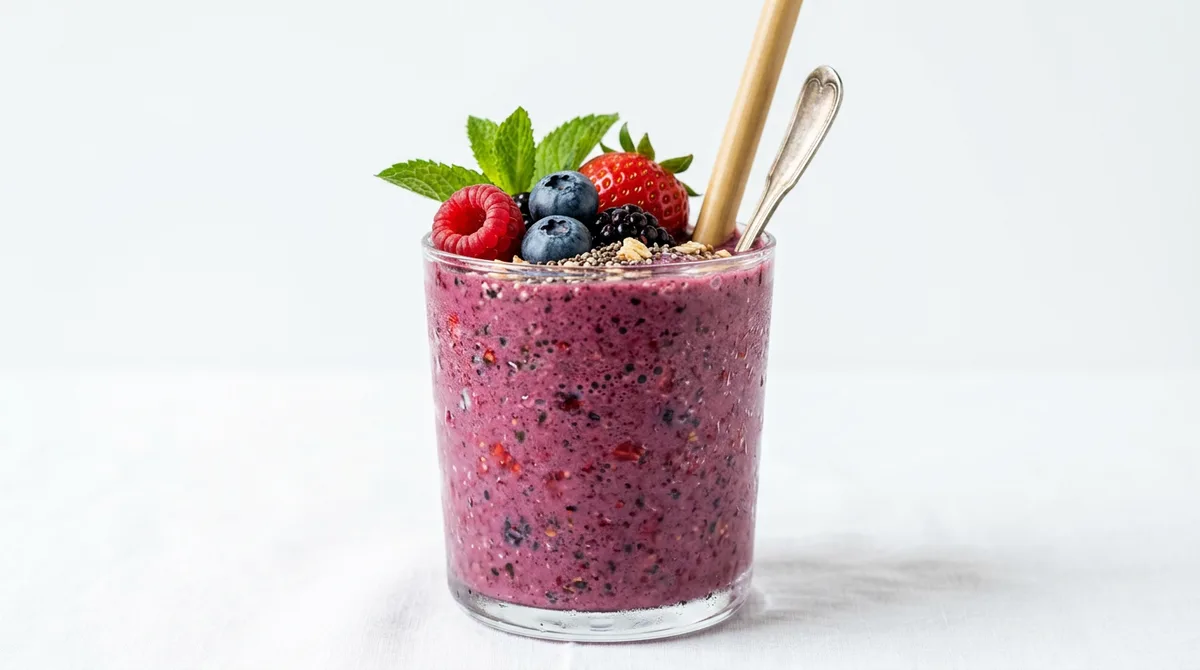
Cannabis Drinks: Smoothies, Tea, Golden Milk & Recipes

Cannabis Grillen: BBQ, Marinaden & Rezepte für den Sommer
Infused Kitchen: Cannabis recipes for baking, cooking, grilling & drinks

Social Media Ads: More Sales Through Targeted Online Marketing

Career start after studies: What recruiters are really looking for