

























Cannabis Terpenes explained: Myrcene, Limonene, Caryophyllene & Co.
Terpenes are the reason why two strains with identical THC content can have completely different effects. They are the aromatic compounds in the cannabis plant — responsible for scent…
Contents
Terpenes are the reason why two strains with identical THC content can have completely different effects. They are the aromatic compounds in the cannabis plant — responsible for scent, taste, and a significant part of the effect. Anyone who wants to understand cannabis cannot do without terpenes.
What are terpenes and how are they formed?
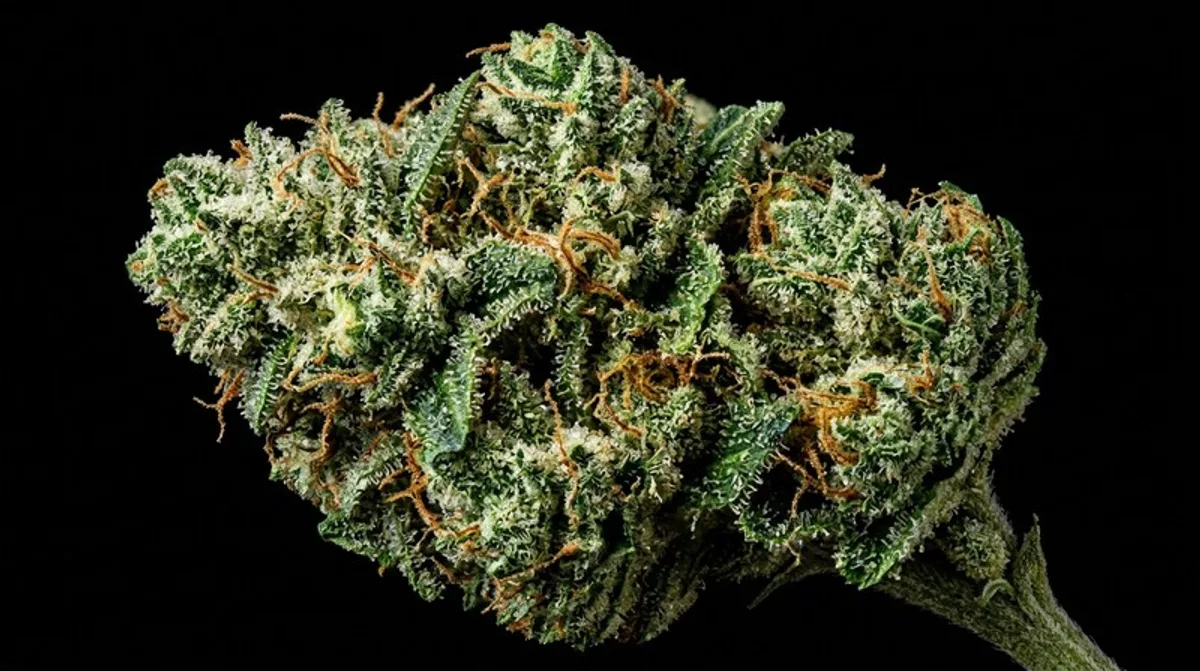
Terpenes are organic hydrocarbon compounds found in a variety of plants: in citrus fruits, pines, lavender, pepper — and in particularly high concentrations in cannabis. The plant produces them in the trichomes, the same glands that also produce THC and CBD.
Biochemically, terpenes serve the plant as a defense mechanism (against pests and mold), as attractants for pollinating insects, and as protection against UV radiation. Humans have used them for thousands of years in aromatherapy and medicine.
In cannabis research, attention was long focused almost exclusively on THC and CBD. Since around 2015, this has fundamentally changed: The concept of the entourage effect describes how cannabinoids and terpenes work synergistically — the whole is more than the sum of its parts.
The most important cannabis terpenes in detail
Over 200 terpenes have been identified in cannabis. Some of them occur in such small amounts that their effects are negligible. These six terpenes are the most clinically and practically relevant:
Myrcene — the most common cannabis terpene
Myrcene is the dominant terpene in most indica strains. It gives them the characteristic earthy, spicy scent with a hint of ripe mango. Pharmacologically, myrcene is well researched: It has proven sedative (sleep-promoting), analgesic (pain-relieving), and muscle-relaxing effects. More importantly: Myrcene increases the permeability of the blood-brain barrier, which accelerates and intensifies the absorption of THC into the brain — the reason why mangoes are said to enhance the effects of cannabis before consumption (mangoes are also rich in myrcene).
Typical strains: OG Kush, Gorilla Glue #4, Northern Lights | Scent: Earth, Spicy, Mango | Effect: Sedative, relaxing, pain-relieving
Limonene — the mood booster
Limonene is the second strongest citrus terpene in cannabis and is primarily found in sativa-dominant strains. It gives them the fresh, citrusy note. Biochemically, limonene acts through serotonin and dopamine signaling pathways — both neurotransmitters are directly linked to mood and motivation. Clinical studies show anxiolytic and antidepressant effects. Limonene is also found in lemon peels, oranges, and bergamot — and thus is the active ingredient behind many aromatherapy applications for anxiety and mood swings.
Typical strains: OG Kush, Super Lemon Haze, Sour Diesel | Scent: Citrus, Orange, fresh | Effect: Mood-enhancing, anxiolytic, antidepressant
Caryophyllene — the unique cannabinoid terpene
Caryophyllene holds a special place among all cannabis terpenes: it is the only terpene that binds directly to cannabinoid receptors. Caryophyllene is a selective CB2 agonist — it activates the same receptor responsible for the anti-inflammatory and immunomodulating effects of CBD. This makes it pharmacologically a “half cannabinoid.” It is found in black pepper, cloves, and cinnamon.
In cannabis, many strains exhibit the characteristic peppery-spicy sharpness. It is particularly relevant for pain and inflammatory indications — and explains why some strains have anti-inflammatory effects despite a low CBD content.
Typical strains: Gorilla Glue #4,
Terpinolene — the Sativa character
Terpinolene is the terpene that gives Sativa strains their “fresh” and energizing character. It has a unique combination of floral, fruity-apple, and slightly pine-like notes. In isolation, terpinolene has a sedative effect — but when combined with high THC and other Sativa terpenes, it becomes energizing. This context-dependent effect makes it one of the most scientifically fascinating terpenes. It is also found in apples, tea tree, and lilac.
Typical strains: Amnesia Haze, Dutch Treat, Ghost Train Haze | Scent: Floral, fruity, slightly pine-like | Effect: Energetic (in combination), antioxidant
Linalool — the relaxation from aromatherapy
Linalool is the terpene that gives lavender its characteristic scent — and has been used in aromatherapy for thousands of years. In cannabis, it occurs in smaller amounts, but has a disproportionate effect on the nervous system. Linalool acts through GABA receptors (the same mechanism as benzodiazepines, but without the potential for dependency). It is anxiolytic, antiepileptic, and sleep-promoting — and one of the reasons why CBD oils with a full-spectrum profile sometimes work better against anxiety than isolated CBD.
Typical strains: Amnesia Haze, Lavender Kush, LA Confidential | Scent: Lavender, floral, slightly sweet | Effect: Anxiolytic, sleep-promoting, antiepileptic
Pinen — Clarity against THC side effects
Alpha- and Beta-Pinene are the most common terpenes in nature — found in almost every coniferous plant. In cannabis, they give the strains their characteristic pine resin scent. Pharmacologically, pinene is particularly interesting as a counterbalance to THC: it acts as an acetylcholinesterase inhibitor, thus increasing the acetylcholine level in the brain. Acetylcholine is crucial for memory and cognitive performance — and its deficiency is partly responsible for the short-term memory impairment caused by THC. Strains with a high pinene content are clearer and less “cloudy” even with high THC levels.
Typical strains: OG Kush, Blue Dream, Trainwreck | Scent: Pine resin, fresh, forest-like | Effect: Cognitive clarity, bronchodilating, anti-inflammatory
The Entourage Effect: Why isolated cannabinoids are less effective
The concept of the entourage effect was formulated in 1998 by the Israeli researchers Raphael Mechoulam and Shimon Ben-Shabat. The core thesis: The effect of cannabis extracts with a full terpene and cannabinoid profile is stronger than the sum of the individual effects.
This explains why isolated synthetic THC (dronabinol) is often less effective for patients than natural medical cannabis with a full terpene profile. And why CBD isolate products often have a weaker effect than full-spectrum oils.
Consider terpenes when purchasing
When purchasing medical cannabis, you should not only look at the THC and CBD content, but also at the terpene profile. Many German pharmacies and teleclinics now include the laboratory terpene profile as well.
- For sleep: Myrcene- and linalool-rich strains (Indica-dominant)
- For pain: High in caryophyllene + myrcene (e.g. Gorilla Glue #4)
- For mood/depression: High in limonene and terpinolene (Sativa-dominant)
- For anxiety: Linalool and Caryophyllene, low THC or 1:1 strains
All strains with their terpene profiles at a glance: Cannabis strains explained. With a Cannabis recipe from 9.99 Euro via a teleclinic, you can specifically choose according to terpene profile.
Terpenes in medical practice: Cannabis for sleep disorders (Myrcene/Linalool profile) | Cannabis for pain (Caryophyllene) | Cannabis for ADHD (Terpinolene/Limonene) | Cannabis for anxiety disorders (Linalool)
Frequently asked questions
- What are terpenes in cannabis?
- Terpenes are aromatic compounds in the cannabis plant that create scent and flavor. They work synergistically with THC and CBD — the so-called entourage effect — and influence the overall effect independently.
- Which terpene promotes relaxation and sleep?
- Myrcene (earthy, spicy) is the most common cannabis terpene and has a sedating effect. Linalool (lavender) has a calming and sleep-promoting effect. Both are found particularly in indica-dominant strains.
- Which terpene is best for pain relief?
- Caryophyllene is the only terpene with direct CB2 receptor binding and has anti-inflammatory effects. It is found in strains such as Gorilla Glue #4 and is especially effective for chronic inflammatory pain.
- Can I choose cannabis based on its terpene profile?
- Yes. Pharmacies and teleclinics can prescribe medical cannabis based on its terpene profile. The lab certificate of each medical batch contains the terpene profile — this way you can choose specifically based on the effect rather than just the strain name.
Duration of effect: How long does cannabis last? — Vaporizer, oil, edibles in comparison + duration of THC detection.
Basic knowledge: CBD vs. THC: Explanation of the difference — effects, legality and when CBD is the better choice.
Terpenes can influence the strength and duration of cannabinoids — and thus indirectly also the detection times. Complete overview for patients:
Terpenes work in conjunction with the endocannabinoid system. Basics on cannabis effects: Cannabis effects: Explained endocannabinoid system — CB1/CB2, entourage effect and why terpenes modify the effect.
Those who want to cultivate their favorite strains themselves: Growing cannabis at home: KCanG rules for 3 plants — which strains are suitable for beginners.
Terpenes are the decisive distinguishing feature between strains — and explain better than Indica/Sativa labels why something relaxes or energizes: Indica, Sativa and Hybrid: What is the Difference?.
Terpenes are the decisive distinguishing feature between strains — and explain better than Indica/Sativa labels why something relaxes or energizes: Indica, Sativa and Hybrid: What is the Difference?.
Terpenes like Myrcene and Limonene also influence the perception of appetite — the comprehensive mechanism behind it:
Terpenes help decide which CBD product is right for you: CBD Full Spectrum, Broad Spectrum and Isolate: The Differences — why Full Spectrum delivers more than just CBD thanks to terpenes.
Terpenes are the most important quality characteristic of a strain — how to smell and assess them:
Certain terpenes enhance creativity-promoting effects — the overall picture: Cannabis and Creativity: What Studies and Neurology Say — which strains are suitable for creative work and why limonene and terpinolene are important.
How terpenes shape the effects of specific strains — with the example of classics: Cannabis Strains: OG Kush, White Widow, Gorilla Glue and More — myrcene in Northern Lights, pinene in White Widow, caryophyllene in Gorilla Glue, and how the profile determines the effect.