CBD vs. THC: Difference, Effects & When Which One Helps
CBD and THC — both from the cannabis plant, both widely discussed. But the difference is fundamental: THC gets you high, CBD does not. This alone doesn’t explain everything. For patients considering cannabis by prescription, or for newcomers who want to understand what CBD oil differs from pharmacy cannabis, this knowledge is crucial. Here is the complete comparison.
What is THC — and how does it work?
Tetrahydrocannabinol (THC) is the primary psychoactive active ingredient of the cannabis plant. It binds to CB1 receptors in the brain — especially in the limbic system, the basal ganglia, and the prefrontal cortex. This produces euphoria, alters the perception of time and space, can be relaxing or anxiety-inducing — depending on the dose, strain, and individual disposition.
Medical effects of THC:
- Pain relief (especially neuropathic and inflammatory pain)
- Reduction of nausea (clinically confirmed during chemotherapy)
- Promotion of sleep (Indica-dominant strains)
- Muscle relaxation (for spasticity, multiple sclerosis)
- Stimulation of appetite (cachexia, eating disorders)
THC is prescription-only in Germany. The THC content in approved medical cannabis varies between 8% and over 30%, depending on the strain. More on medical applications:
What is CBD — and how does it work?
Cannabidiol (CBD) is the non-psychoactive active ingredient of the cannabis plant. Unlike THC, CBD binds only weakly directly to CB1 or CB2 receptors. Instead, it has a modulating effect: it influences the 5-HT1A serotonin receptor (anxiolytic), the TRPV1 pain receptor, and interacts with the endocannabinoid system by slowing the breakdown of the body’s own endocannabinoid anandamide.
Medical effects of CBD:
- Anxiety reduction (5-HT1A-mediated, without psychoactive effects)
- Anti-inflammatory (caryophyllene-like effect via CB2)
- Antiepileptic (Epidiolex, the first CBD pharmaceutical, is approved for epilepsy)
- Neuroprotective (preclinical evidence)
- THC buffer effect: CBD reduces the anxiogenic side effects of high-dose THC
CBD is available without a prescription in Germany if it contains less than 0.3% THC. CBD oils, CBD flowers, and CBD capsules are legal in pharmacies and online stores. For therapeutic purposes (more concentrated preparations), CBD may also be prescription-only.
CBD vs. THC: The direct comparison
| Property | CBD | THC |
|---|---|---|
| Psychoactive | No | Yes |
| Prescription required (DE) | Under 0.3%: No | Yes |
| Receptor binding | Indirect, modulating | CB1/CB2 directly |
| Anxiety (anxiolytic) | Yes, well documented | Dose-dependent — low anxiolytic, high anxiogenic |
| Pain | Moderate (inflammatory) | Strong (neuropathic + inflammatory) |
| Sleep | Indirect through anxiety reduction | Directly sedating (Indica) |
| Addictive potential | Very low | Moderate with regular use |
| Impairment while driving | No (no limit) | Yes (3.5 ng/ml blood limit) |
Entourage Effect: When CBD and THC work together
The most complex and at the same time most relevant concept in cannabis medicine: CBD and THC work synergistically to be more effective than either one alone. This so-called entourage effect (first described in 1998 by Ethan Russo) means that a full-spectrum preparation with a natural CBD/THC ratio usually works better than an isolated THC or CBD product.
Practical relevance: A strain with 20% THC and 2% CBD is generally more pleasant and therapeutically effective for most patients than a 22% THC strain without CBD. This explains why many medical cannabis patients prefer CBD-rich hybrids despite their lower THC content. More about the active ingredient combination:
When is CBD better — when is THC?
CBD is the better choice for:
- Anxiety disorders and social phobia — no THC-induced paranoia
- Patients who do not want or need to feel high
- Daytime therapy without impairment of cognition
- Epilepsy (clinically best documented for CBD)
- Mild to moderate inflammatory pain
THC is the better choice for:
- Neuropathic pain that does not respond to CBD
- Severe sleep disturbances (Indica strains)
- Nausea and vomiting (chemotherapy patients)
- Lack of appetite and cachexia
- ADHD — certain patients benefit from low THC stimulation
For medical cannabis with the right CBD/THC ratio: Medical cannabis — explained step by step.
Well-known strains and their CBD/THC profiles
The choice of strain determines the CBD/THC ratio and thus the effect and tolerance. An overview of typical profiles:
- OG Kush — classic hybrid, 20-25% THC, under 1% CBD, strongly sedating
White Widow — balanced hybrid, 18-22% THC, minimal CBD, euphoric and creative- Amnesia Haze — Sativa-dominant, 20-22% THC, almost no CBD, energizing
Gorilla Glue #4 — Indica hybrid, up to 28% THC, very low CBD, body-heavy- Blue Dream — Sativa hybrid, 18-24% THC, slightly increased CBD (1-2%), considered tolerable
Strains rich in CBD (more than 8% CBD) are specifically used in the medical field, but are rarer in the regular cannabis market. How long the effects last depends on the CBD/THC ratio and the method of consumption: Cannabis Duration of Effects — Inhalation vs. Edibles explained.
Those who want to obtain cannabis on prescription with a defined CBD/THC ratio: Free cannabis prescription? Price comparison + voucher codes — Price comparison, vouchers and which insurance covers it.
Who wants to know how long THC is detectable in the body after consumption — for driver’s licenses, drug tests, or job searches:
Whether the chosen CBD/THC ratio is covered by health insurance: Cannabis Health Insurance: When does the insurance pay? — GKV indications and what to do in case of rejection.
Especially when first approaching THC, microdosing is recommended: Cannabis Microdosing: How little is enough? — start with as little as 1 mg THC and find your own threshold.
The complete mechanism of action in the body — endocannabinoid system, receptors and why individual reactions are so different:
For pregnant and breastfeeding women:
Why the THC-CBD ratio matters: Cannabis and Psychosis: Risks and Facts — CBD has proven antipsychotic properties and can reduce THC-induced paranoia.
Those who know THC and CBD will next wonder about the strains: Indica, Sativa and Hybrid: What’s the Difference? — why the Indica/Sativa classification is more of a marketing term than a scientific one.
Those who know THC and CBD will next wonder about the strains: Indica, Sativa and Hybrid: What’s the Difference? — why the Indica/Sativa classification is more of a marketing term than a scientific one.
Those who buy CBD should know the difference: CBD Full Spectrum, Broad Spectrum and Isolate: The Differences — explained: Full Spectrum, Broad Spectrum or Isolate, the Entourage Effect and traces of THC.
All cannabis terminology at a glance — from cannabinoids to ECS: Cannabis Glossary: The most important terms explained simply — THC, CBD, CBN, CBG, terpenes, entourage effect and consumption terms explained concisely.
Effect differences between strains are not only explained by THC/CBD — terpenes also play a role: Cannabis terpenes and entourage effect.
Buy CBD oil — a guide for full spectrum, COA quality and dosage:
Frequently asked questions about CBD vs. THC
- Macht CBD high?
- Nein. CBD ist nicht psychoaktiv und erzeugt keinen Rauschzustand. CBD beeinflusst das Endocannabinoid-System modulierend, bindet aber nicht direkt an die CB1-Rezeptoren, die für das “High” von THC verantwortlich sind.
- Ist CBD in Deutschland legal?
- CBD-Produkte mit einem THC-Gehalt unter 0,3% sind in Deutschland legal und rezeptfrei erhältlich. CBD-Öle, -Kapseln und -Blüten sind in Apotheken und Online-Shops frei verkäuflich. Höher konzentrierte CBD-Präparate oder Produkte mit nennenswertem THC-Anteil sind rezeptpflichtig.
- Was ist besser für Angst — CBD oder THC?
- CBD ist für die meisten Angstpatienten die bessere Wahl. Es wirkt anxiolytisch ohne das Risiko der THC-bedingten Angstverstärkung. Niedrig dosiertes THC (2,5–5 mg) kann ebenfalls helfen, aber höhere Dosen können Angst paradox verstärken.
- Kann ich CBD und THC gleichzeitig nehmen?
- Ja — und das wird in der Medizin sogar empfohlen. Der sogenannte Entourage-Effekt beschreibt die synergistische Wirkung beider Cannabinoide. CBD mindert die anxiogenen Nebenwirkungen von THC und verlängert dessen therapeutische Wirkung. Vollspektrum-Produkte nutzen dieses Prinzip gezielt.
- Darf ich nach CBD-Konsum Auto fahren?
- Ja, sofern das CBD-Produkt unter 0,3% THC enthält. Es gibt keinen gesetzlichen Grenzwert für CBD im Straßenverkehr. Anders bei THC: Hier gilt ein Grenzwert von 3,5 ng/ml im Blut. Wer Vollspektrum-Produkte mit THC-Anteil nimmt, sollte vor dem Fahren die Wirkungsdauer abwarten.

Infused Kitchen at FIV: The new cannabis cooking portal
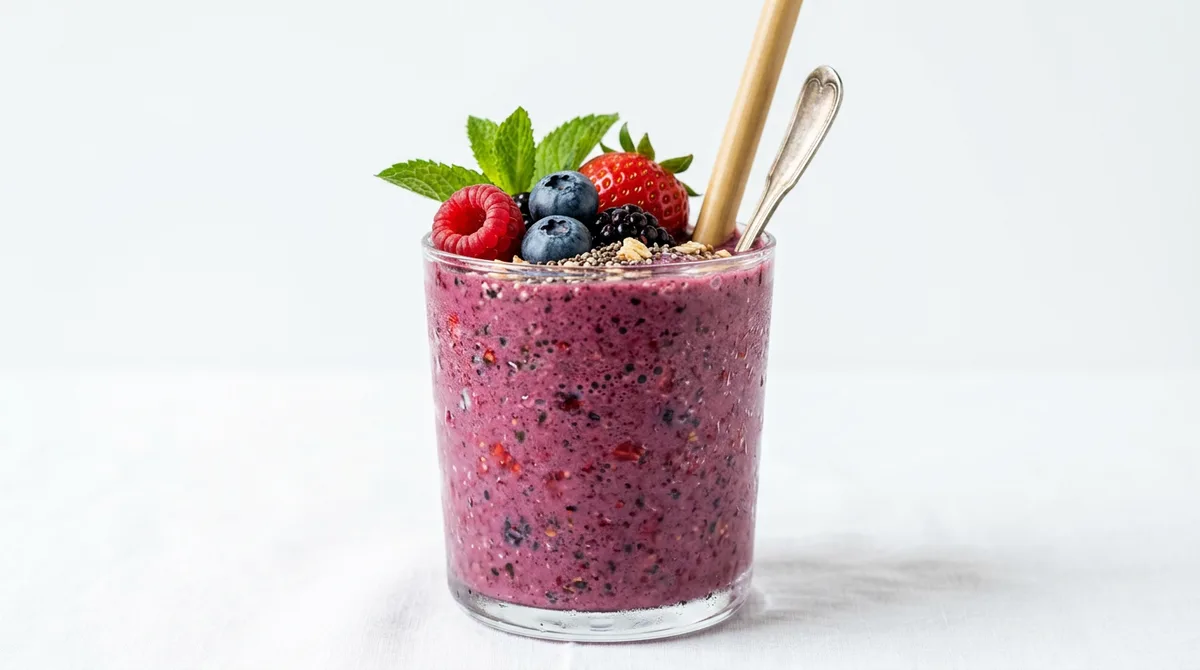
Cannabis Drinks: Smoothies, Tea, Golden Milk & Recipes
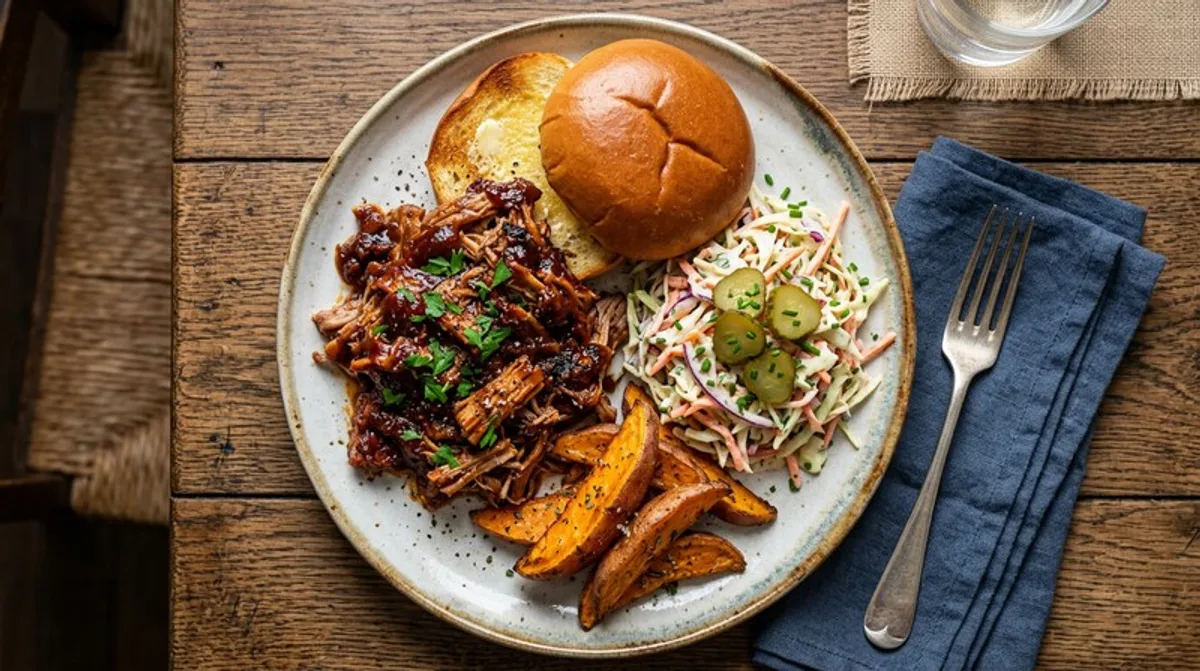
Cannabis Grillen: BBQ, Marinaden & Rezepte für den Sommer
Infused Kitchen: Cannabis recipes for baking, cooking, grilling & drinks

Social Media Ads: More Sales Through Targeted Online Marketing

Career start after studies: What recruiters are really looking for