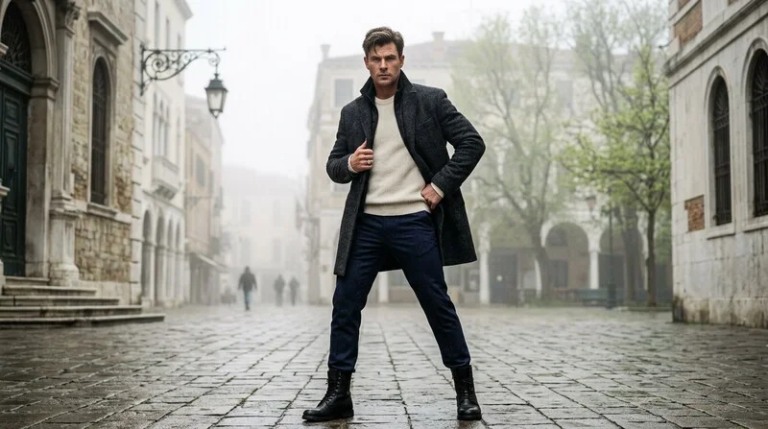
How to style men’s shirts properly? FIV style rules for office and leisure
Shirts are the foundation of every masculine wardrobe. Whether in the office, on a date or at a wedding — the right shirt decides appearance, impact and style. This guide shows you everything: the most important types, collar shapes, fits, the best brands and how to perfectly combine shirts. With care tips and a buying guide for well-informed decisions.
The most important shirt types for men
Not every shirt suits every occasion. Whoever knows the types always chooses correctly — whether it’s a modern men’s fashion classic or a casual look.
| Type | Collar | Occasion | Combinations |
|---|---|---|---|
| Oxford Shirt | Button-Down or Kent | Business Casual, Smart Casual | Chino, Jeans, Blazer |
| Popeline Shirt | Kent, Shark | Business Formal, Office | Trouser, Tie, Suit |
| Linen Shirt | Kent collar, Mandarin | Summer, Vacation, Casual | Shorts, light chinos, Espadrilles |
| Fleece Shirt | Button-Down, open | Autumn/Winter, Casual | Jeans, Boots, Parka |
| Chambray Shirt | Button-Down | Smart Casual, Everyday | Jeans, Chino, Sneakers |
| Business Shirt | Kent, Shark, Spread collar | Formal, Meetings, Presentations | Suit, Tie, Pocket square |
| Casual Shirt | Button-Down, no collar | Leisure, Weekend | Denim, Chino, Shorts |
Oxford Shirt: The Universal Classic
The Oxford shirt is made from durable Oxford fabric — a lightly structured cotton fabric. It combines durability with style and works from business casual to evening casual situations. Most Oxford shirts have button-down collars, giving them a relaxed, American-inspired feel.
Poplin shirt: Formal and smooth
Poplin is a fine, smooth cotton fabric — it falls elegantly, is easy to iron, and has a formal look. The classic business shirt is almost always made from poplin. White and light blue are the standard colors for maximum versatility.
Linen shirt: Summer essential
Linen shirt for summer: breathable, light, and with a characteristic linen texture. Light wrinkles are part of the look and are considered a style feature — not a flaw. Those who want to stay elegant choose linen-cotton blends that wrinkle less.
Collar Guide: Which collar style fits when?
The collar determines the overall look of the shirt — especially in combination with a tie and facial shape. Anyone who wants to appear stylish as a man knows these differences.
| Collar Style | Style | Tie? | Ideal for Face Shape |
|---|---|---|---|
| Kent collar | Classic, versatile | Yes, optional | All face shapes |
| Notch collar | Formal, elegant | Yes, wide tie recommended | Slender, oval faces |
| Button-down | Casual, American style | No (unusual) | All, especially round |
| Mandarin/standing collar | Modern, minimalist | No | Oval, elongated faces |
| Spread collar | Very formal, wide | Yes, wide knot | Slender faces |
| Hidden button-down | Elegant-casual, subtle | Optional | All face shapes |
Tip: With the notch collar — the wide-open collar style — you need a wide tie knot like the Pratt or Windsor knot. A narrow knot appears lost in the wide collar opening.
Fit is everything: Slim Fit, Regular Fit and Oversize
Fit is the most important decision when buying a shirt — even before fabric and brand. A perfectly fitting cheap shirt beats any expensive shirt in the wrong size.
- Slim Fit: Body-hugging, narrow shoulder seams, tight torso. Ideal for slim and athletic body types. Looks modern and sharp. Warning: Can cause strain on the buttons for broader shoulders or a larger stomach.
- Regular Fit (Classic Fit): Classic, not too tight, not too loose. Works for all body types. The safe standard for business and casual wear.
- Oversize / Relaxed Fit: Deliberately loose cut, a trend from streetwear. Looks relaxed and modern — but only if the overall look is well thought out. Wear untucked, combined with a slim pair of trousers.
- Tailored Fit / Shaped Fit: Between Slim and Regular. Slightly body-hugging, but with some room. The ideal compromise for most men.
Shoulder seam as a benchmark: The shoulder seam must fit exactly at the shoulder joint — not 2 cm above or below. This is the most important fit criterion of all.
Overview of the best shirt brands
From beginner to luxury — the market for men’s shirts is large. These brands reliably deliver quality in their price range.
| Brand | Price Range | Quality | Style | Target Group |
|---|---|---|---|---|
| Olymp | 40–80 € | Very good | Business, classic | Beginners, office wearers |
| Seidensticker | 50–100 € | Very good | Business, modern | Managers, commuters |
| Charles Tyrwhitt | 60–120 € | Excellent | British Classic | Business enthusiasts |
| Hawes & Curtis | 60–130 € | Excellent | Traditionally British | Classic lovers |
| Ralph Lauren | 80–200 € | Premium | American Preppy/Classic | Premium segment |
| Hugo Boss | 100–200 € | Premium | Modern, European | Premium business |
| Stenströms | 150–300 € | Luxury | Scandinavian, flawless | Luxury buyers |
Tip: Charles Tyrwhitt and Hawes & Curtis offer first-class quality at a third of the regular price during their regular sales. Those who wait get premium for mid-range prices.

Business-Hemden richtig kombinieren
The business outfit rises or falls with the details. With the right suit-shirt-tie setup, you appear confident and professional. Good elegance starts with the shirt.
Hemd + Krawatte: Die Grundregeln
- Solid shirt + patterned tie = safe and classic
- Gestreiftes Hemd + einfarbige Krawatte = funktioniert gut
- Striped shirt + patterned tie = only for advanced style, patterns must be in different sizes
- Tie color: take at least one color from the shirt or suit
Hemd + Anzug: Farbkombinationen
- White shirt + navy suit = the most timeless classic ever
- Hellblaues Hemd + Grau-Anzug = elegant, entspannt formell
- White shirt + dark gray = formal, high-quality
- Light blue shirt + navy = works only with tone differences, not too similar
Coordinate belts and shoes
Black belt = black shoes. Brown belt = brown or cognac shoes. This rule sounds simple, but it’s surprisingly often broken. Watches and cuff links should also be matched in metal tone. Watches
Styling casual shirts: jeans, chino and more
Casual shirts offer the most freedom — but even here there are principles that make the difference between a well-thought-out look and a mismatched outfit.
Hemd + Jeans
- Chambray or Oxford shirt + dark slim jeans + white sneaker = modern classic
- Flannel shirt open over T-shirt + jeans = layering look, especially in autumn
- Leinenhemd + helle Jeans + Loafer = Sommer-Smart-Casual
Hemd + Chino
- White Oxford shirt + khaki chino + loafer = preppy look, timeless
- Light blue business shirt + navy chino + derby = business casual without a suit
Hemd + Shorts (Sommer)
- Only light fabrics: linen or chambray — no business shirt with shorts
- Shorts (above the knee) only with loose, untucked shirt
- Colors: Neutral tones for shirt + shorts, or a statement piece + a neutral one
Care and Washing: How to Keep Shirts Looking Great for Years
High-quality shirts can last decades — if treated properly. Cheap shirts lose color, shape, and feel after a few washes when cared for incorrectly.
Washing Temperatures
- White cotton shirts: 40–60 °C possible, but 40 °C is sufficient for normal soiling
- Colored shirts: Max. 30–40 °C, to prevent color bleeding
- Linen shirts: 30 °C, delicate cycle — linen shrinks in heat
- Fleece shirts: 30–40 °C, do not wash with dark fabrics
Ironing Done Right
- Order: Collar → Cuffs → Sleeves → Back → left front → right front
- Always iron slightly damp — either take out of the machine and iron immediately or spray with water
- Iron collar inside and outside — the collar is the first thing others see
- Ironing temperature: Cotton medium-high (around 200 °C), linen high, synthetic parts low
Storage
- Always hang clothes on hangers — never stack them folded in the closet (collars lose shape)
- Wide hangers for shirts — narrow hangers press shoulders through
- Leave space: shirts need air — crowded shirts create wrinkles
- White shirts: do not store in plastic wrap — over time, the wrap yellows the white
Shirt Buying Guide: What You Really Need to Pay Attention To
When buying a shirt, many pitfalls lurk. This checklist helps make the right decision — whether shopping in the city center or online.
Check the fabric and workmanship
- Thread count: The higher the thread count (threads per inch), the finer and higher quality the fabric. 100+ is good, 140+ is excellent for business shirts.
- Seams: High-quality shirts have flat, double-stitched seams. Cheap shirts have rough, raised seams that are noticeable on the skin.
- Buttons: Mother-of-pearl or horn buttons = quality feature. Plastic buttons break faster and look cheap. Reputable brands sew replacement buttons inside.
- Collar lining: Shirts with removable collar linings are easier to wash and iron. Fixed linings can wrinkle after many washes.
Fit Check in the Changing Room
- Shoulder seam exactly at the shoulder joint (not over, not under)
- No strain on the buttons when closing — often a problem with Slim Fit for broader backs
- Sleeve length: When the arm is extended, the cuff should protrude about 1–1.5 cm from the jacket sleeve
- Collar size: One finger should fit between the neck and the collar — no more
FAQ — Frequently Asked Questions About Men’s Shirts
Which shirt for which occasion?
For Business Formal: white or light blue poplin shirt with Kent or spread collar. For Business Casual: Oxford shirt, also button-down. For Casual/Leisure: Chambray, linen, flannel — depending on the season.
How many shirts does a man need?
As a basic wardrobe: 2–3 white business shirts, 2 light blue, 1–2 Oxford shirts (white/light blue), 2 casual shirts (Chambray or linen). This makes 7–10 shirts for all situations.
What does a good shirt cost?
A high-quality everyday shirt costs between 60–120 euros. Those who regularly invest in shirts are better off with fewer, but better pieces. Charles Tyrwhitt or Olymp on sale are ideal.
How do I style a white shirt casually?
White shirt + dark jeans + white sneakers + sunglasses = timeless casual look. Open over a T-shirt as layering: works with a solid, dark T-shirt underneath.
Which collar for business?
Kent collar for all occasions — universal and safe. Shark collar for formal business meetings with a tie. Button-down only for business casual, never with a tie at a formal meeting.
{
“@context”: “https://schema.org”,
“@type”: “FAQPage”,
“mainEntity”: [
{
“@type”: “Question”,
“name”: “Welches Hemd für welchen Anlass?”,
“acceptedAnswer”: {
“@type”: “Answer”,
“text”: “Für Business Formal: weißes oder hellblaues Popeline-Hemd mit Kentkragen. Für Business Casual: Oxford-Hemd mit Button-Down-Kragen. Für Freizeit: Chambray, Leinen oder Flanell je nach Jahreszeit.”
}
},
{
“@type”: “Question”,
“name”: “Wie viele Hemden braucht ein Mann?”,
“acceptedAnswer”: {
“@type”: “Answer”,
“text”: “Als Grundausstattung empfehlen sich 2-3 weiße Businesshemden, 2 hellblaue, 1-2 Oxford-Hemden und 2 Casual-Hemden. Das ergibt 7-10 Hemden für alle Situationen.”
}
},
{
“@type”: “Question”,
“name”: “Was kostet ein gutes Hemd?”,
“acceptedAnswer”: {
“@type”: “Answer”,
“text”: “Ein qualitativ hochwertiges Hemd liegt bei 60-120 Euro. Marken wie Charles Tyrwhitt, Olymp oder Seidensticker bieten ausgezeichnete Qualität in diesem Preissegment.”
}
},
{
“@type”: “Question”,
“name”: “Welche Passform ist die beste für Herrenhemden?”,
“acceptedAnswer”: {
“@type”: “Answer”,
“text”: “Tailored Fit oder Shaped Fit ist für die meisten Männer ideal: leicht körperbetont ohne zu eng zu sein. Slim Fit für schlanke Körpertypen, Regular Fit für alle, die Bewegungsfreiheit bevorzugen.”
}
},
{
“@type”: “Question”,
“name”: “Wie wäscht man Herrenhemden richtig?”,
“acceptedAnswer”: {
“@type”: “Answer”,
“text”: “Weiße Baumwollhemden bei 40-60 Grad, farbige Hemden bei max. 30-40 Grad, Leinenhemden bei 30 Grad im Schonwaschgang. Immer hängend aufbewahren, nie gefaltet stapeln.”
}
}
]
}

Infused Kitchen at FIV: The new cannabis cooking portal
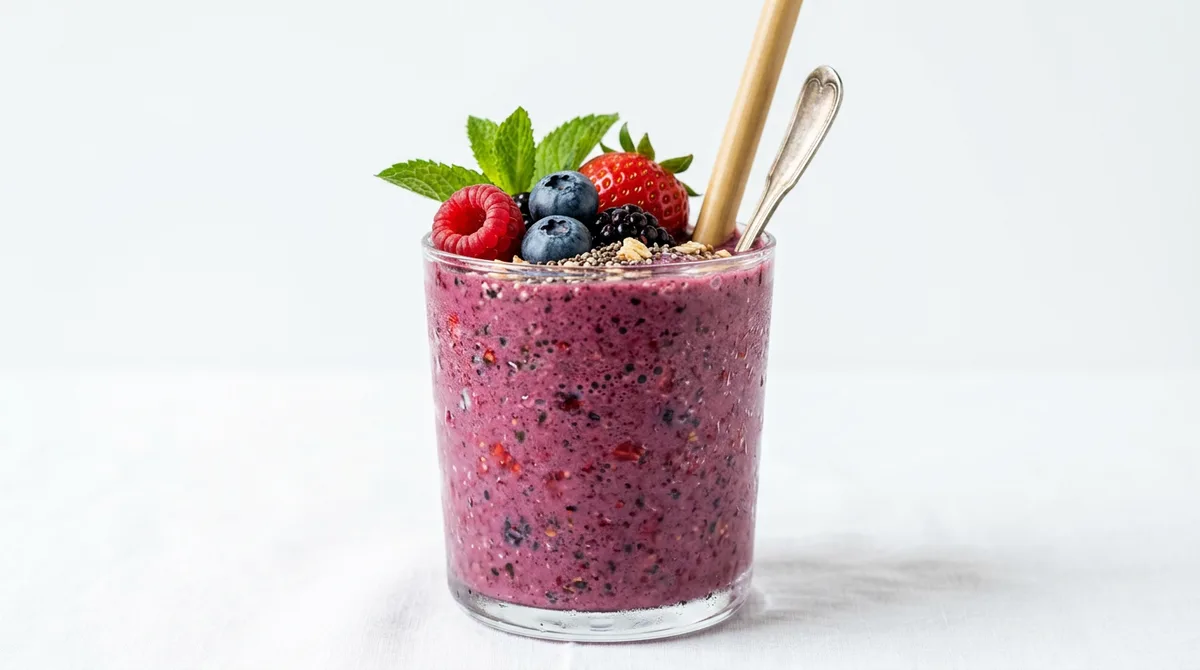
Cannabis Drinks: Smoothies, Tea, Golden Milk & Recipes
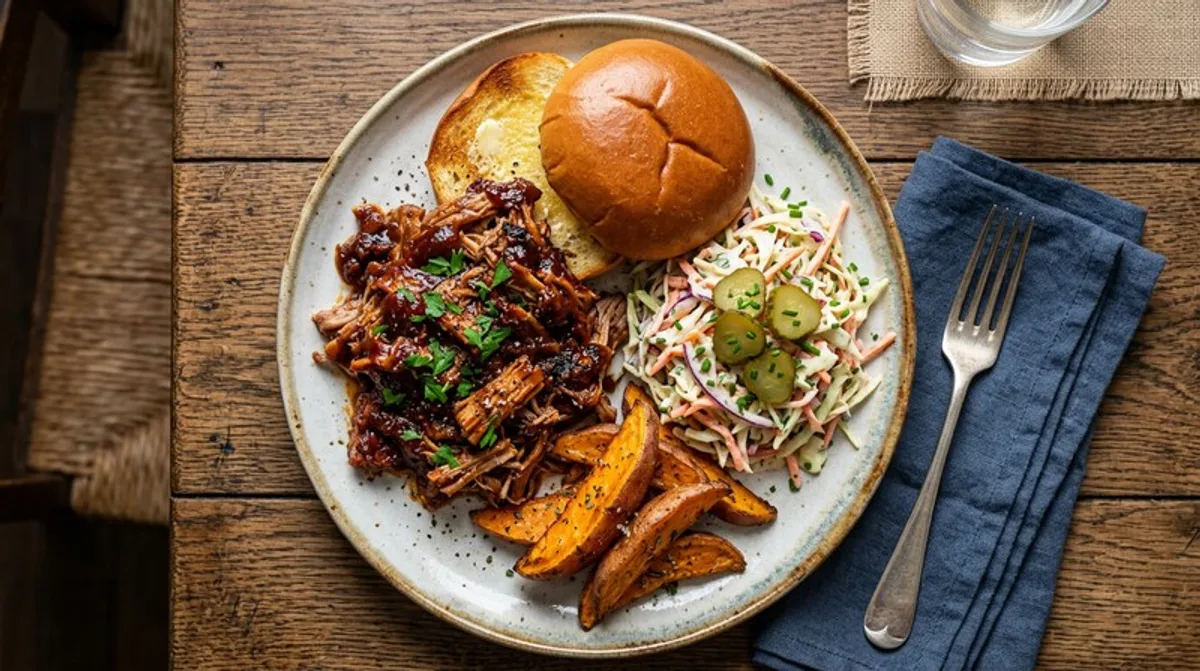
Cannabis Grillen: BBQ, Marinaden & Rezepte für den Sommer
Infused Kitchen: Cannabis recipes for baking, cooking, grilling & drinks

Social Media Ads: More Sales Through Targeted Online Marketing

Career start after studies: What recruiters are really looking for