Finding the right ring: material, gemstone, ring size & Co. – Ultimate jewelry guide
Buying the right ring — whether as an engagement ring, wedding ring, or fashionable accessory. This guide explains everything about materials, gemstones, ring size, and what you really need to pay attention to when making a purchase. Includes a buying guide, price ranges, and care tips.
What makes a good ring special? Materials & craftsmanship
A high-quality ring starts with the choice of material. The precious metal not only determines the price, but also durability, skin compatibility, and maintenance requirements. Added to this is the craftsmanship: a well-made ring fits perfectly, shines evenly, and lasts for decades.
Gold, White gold & Rose gold
Gold is the classic ring metal. The alloy number determines the gold content:
- 333 gold (8 karat): 33.3 % gold — affordable, but less valuable
- 585 gold (14 karat): 58.5 % gold — most popular choice, good price-performance ratio
- 750 gold (18 karat): 75 % gold — luxury standard, deep shine, very durable
- 999 gold (24 karat): Pure gold — very soft, not suitable for jewelry
White gold is created by alloying gold with palladium or nickel. It usually receives a rhodium coating for a silvery sheen. Rose gold gets its warm tone from copper content in the alloy.
Platinum — the rarest precious metal
Platinum is heavier, rarer, and more value-retaining than gold. It is hypoallergenic, scratch-resistant, and does not tarnish. The downside: significantly more expensive than gold. Platinum rings are marked with 950 (95% purity).
Silver — cool shine for a small budget
925 sterling silver (92.5% purity) is the standard alloy for jewelry. Silver is much more affordable than gold, but it tarnishes and requires regular maintenance. Ideal as a fashion accessory or friendship ring.
Stainless steel & titanium
Modern alternatives with high scratch resistance and allergy-friendly properties. Stainless steel and titanium are especially suitable for men and people with sensitive skin. They are indestructible, but hardly repairable or reworkable.
Jeweler’s Tip: Always choose at least 585 gold or 950 platinum for engagement and wedding rings. Cheaper alloys can cause discoloration over time and irritate the skin.
Buying Guide — What to Consider When Buying a Ring?
Before buying a ring, you should systematically check these factors:
| Feature | What does it mean | Tip |
|---|---|---|
| Carat / Alloy | Percentage of precious metal — higher number = more purity | 585 (14K) as minimum standard for value stability |
| Cut (for gemstones) | Determines light refraction and brilliance | Brilliant cut for maximum sparkle on a diamond |
| Stamping | Mandatory indication of precious metal content in the EU | Always check the stamp inside the ring |
| Ring size | Inner diameter in mm, EU scale 44–76 | Measure in the evening — fingers are slightly swollen |
| Certificate | For diamonds: GIA, HRD or IGI certificate | No certificate = no purchase for expensive stones |
| Setting type | Prong, pavé, channel — influence on the stone’s security | Prong setting shows more stone, bezel settings protect better |
| Dealer / Jeweler | Reputable specialist trade with warranty and return policy | Prefer members of the Association of Jewelers (BVJ) |
The Most Popular Ring Styles & Shapes
Rings come in countless styles. Here are the most important categories with their typical applications:
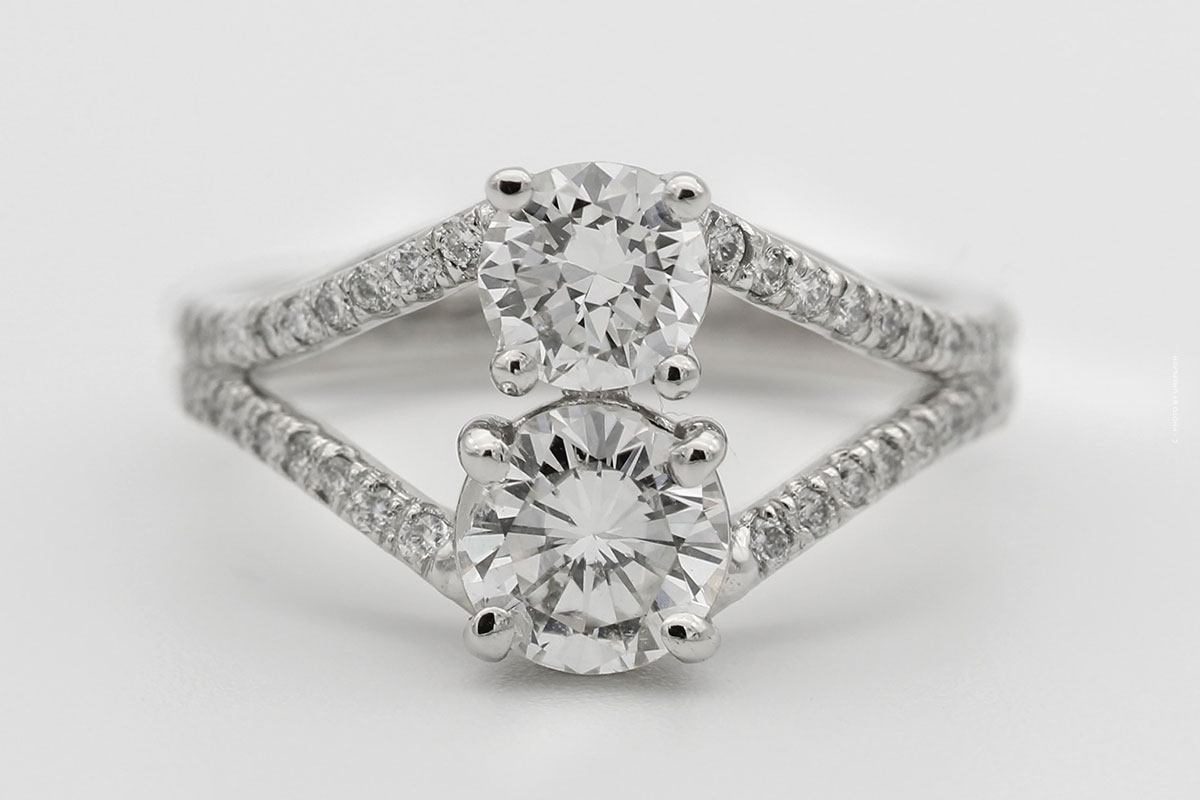
- Solitaire Ring: A single stone (usually a diamond) in a prong setting — the classic choice for engagement rings. Maximum elegance and timeless.
- Pavé Ring: Many small stones cover the band — sparkles from every angle, especially feminine.
- Band Ring: Simple, without stones — the traditional symbol of marriage. In gold, platinum or silver.
- Trilogy Ring: Three stones symbolize past, present and future — romantic and meaningful.
- Eternity Ring: Stones encircle the entire ring — symbol of endless love, ideal as an anniversary gift.
- Cocktail Ring: Large, eye-catching stone or design — statement piece for special occasions.
- Seal Ring: Flat, engraveable surface — traditional, today also popular as a fashion accessory.
Price Ranges & Brands for Rings
Rings are available in all price categories — from affordable fashion jewelry to luxury engagement rings. Here’s an overview:
Entry-level (under 300 €)
Silver rings, simple gold rings (333 gold) or stainless steel rings. Good quality from brands like Thomas Sabo, Pandora or JETTE. Ideal for everyday jewelry and friendship rings.
Mid-Range (300 – 2,000 €)
585 or 750 gold rings, often with small diamonds or gemstones. Brands like Christ, Wempe or Wellendorff offer excellent quality in this segment. The perfect range for engagement rings with a solid diamond.
Luxury (over 2,000 €)
Platinum rings with certified diamonds (from 0.5 carat upwards), exclusive craftsmanship. Brands like Tiffany & Co., Cartier, Bulgari or Van Cleef & Arpels set the standard here. These pieces are both an investment and jewelry.
More about the value of gemstones as an investment: Buy sapphire — value & prices and Amethyst — the violet gemstone.
Testing the Authenticity of a Ring — Stamps & Methods
Especially when buying second-hand rings or from unknown online sellers, authenticity testing is crucial.
Stamp Inside the Ring
In the EU, marking precious metals is mandatory. The following stamps are valid:
- Gold: 333, 585, 750, 900, 990 (fineness in thousandths)
- Silver: 925, 800 (sterling silver)
- Platinum: 850, 900, 950, 999
- Palladium: 500, 950
Acid Test
Professional jewelers use acid tests (testing acid) to determine the gold content. A tiny amount of acid is applied to a polished spot — the reaction indicates the gold content.
XRF Analysis
X-ray fluorescence analysis (XRF) is the most reliable method for non-destructive material analysis. It is used by pawn shops and jewelers and provides accurate measurements.
Magnet Test
Gold and silver are not magnetic. If a “gold ring” is attracted to a strong magnet, the metal is counterfeit. Caution: stainless steel is also not magnetic — so it’s not a reliable sole test.
Ring pflegen & reinigen — Step-by-Step
Regular care maintains the shine and prevents damage:
- Soak in lukewarm water: Soak the ring for 15 minutes in lukewarm water with a drop of dish soap.
- Gentle brushing: Use a soft toothbrush (not metal!) to loosen dirt — especially in joints and under stones.
- Rinsing: Rinse thoroughly with clear water. Close the sink first!
- Dry wiping: Gently dry with a soft, lint-free cloth.
- Polishing: Polish gold rings with a gold polishing cloth. Silver with a silver polishing cloth or silver care cream.
Was vermeiden: Chlor (Schwimmbad), Haushaltsreiniger, Ultraschallreiniger bei Ringen mit empfindlichen Steinen (Smaragde, Perlen, Opale), sowie Parfüm und Körperlotionen direkt auf dem Ring.
As a Gift: When & for Whom the Right Ring?
| Occasion | Style | Budget |
|---|---|---|
| Engagement | Solitaire with diamond or gemstone, 585/750 gold or platinum | 2–5 monthly salaries (traditional rule of thumb) |
| Wedding / Wedding Ring | Sleek band ring, timeless & durable | 500 – 3,000 € per ring |
| Anniversary | Eternity ring or trilogy ring | 300 – 2,000 € |
| Birthday | Cocktail ring or model with birthstone | 100 – 800 € |
| Friendship | Sleek silver or stainless steel rings, often in a set | 30 – 150 € |
| Self-gift / Milestone | Completely to taste — from minimalist to statement | individual |
Diamonds & Gemstones in Rings
The gemstone gives the ring its character. The most popular options:
- Diamond: Hardest mineral on Earth, graded according to the 4 Cs (Carat, Color, Clarity, Cut). Timeless and value-stable. More about it: Buy diamond — price, carat & color
- Sapphire: Symbol of loyalty — Princess Diana’s (now Kate Middleton) ring made the blue sapphire world-famous. Everything about sapphire
- Ruby: Bright red fire — ruby rings are considered a symbol of passion. Buy ruby
- Emerald: Deep green, characteristic for its natural inclusion richness.
- Amethyst: Violet quartz, affordable and very popular in fashion jewelry. Buy amethyst
FAQ — Most common questions when buying a ring
How do I find out my ring size?
The most accurate way is to measure the inner circumference of your finger in the evening (when your fingers are slightly swollen) using a measuring tape or a strip of paper. The value in mm = ring size in EU standard. Alternatively, have it measured for free at a jeweler.
What is the difference between 585 and 750 gold?
585 gold contains 58.5% pure gold (14 karat), 750 contains 75% (18 karat). 750 gold is more valuable, softer in color and slightly more expensive. 585 gold is ideal for everyday rings, while 750 gold is better for luxury and value appreciation.
Which ring is suitable as an engagement ring?
The classic choice is a solitaire ring made of 585 or 750 white gold or platinum with a certified diamond. Essential: a GIA or HRD certificate for the diamond to ensure quality and value are verifiable.
Can I resize a ring to be larger or smaller?
Yes — most gold rings can be resized by a jeweler by up to 2–3 ring sizes. Rings with full encircling stones (Eternity) or made of titanium/tungsten cannot be adjusted.
How often should I clean my ring?
For everyday rings, a gentle cleaning every 2–4 weeks is recommended. Professional cleaning at a jeweler (ultrasonic + polishing) is advised once a year.
{
“@context”: “https://schema.org”,
“@type”: “FAQPage”,
“mainEntity”: [
{
“@type”: “Question”,
“name”: “Wie finde ich meine Ringgröße heraus?”,
“acceptedAnswer”: {
“@type”: “Answer”,
“text”: “Am genauesten misst du abends den Innenumfang deines Fingers mit einem Maßband. Den Wert in mm entspricht der Ringgröße in EU-Norm. Alternativ kostenlos beim Juwelier messen lassen.”
}
},
{
“@type”: “Question”,
“name”: “Was ist der Unterschied zwischen 585er und 750er Gold?”,
“acceptedAnswer”: {
“@type”: “Answer”,
“text”: “585er Gold enthält 58,5 % Feingold (14 Karat), 750er enthält 75 % (18 Karat). 750er ist wertvoller und teurer, für Luxus und Wertsteigerung besser geeignet.”
}
},
{
“@type”: “Question”,
“name”: “Welcher Ring eignet sich als Verlobungsring?”,
“acceptedAnswer”: {
“@type”: “Answer”,
“text”: “Der Klassiker ist ein Solitär-Ring aus 585er oder 750er Weißgold oder Platin mit einem zertifizierten Brillanten. Wichtig ist ein GIA- oder HRD-Zertifikat für den Diamanten.”
}
},
{
“@type”: “Question”,
“name”: “Kann ich einen Ring größer oder kleiner machen lassen?”,
“acceptedAnswer”: {
“@type”: “Answer”,
“text”: “Ja, die meisten Goldringe können bis zu 2-3 Ringgrößen angepasst werden. Ringe mit umlaufenden Steinen oder aus Titan sind nicht veränderbar.”
}
},
{
“@type”: “Question”,
“name”: “Wie oft sollte ich meinen Ring reinigen?”,
“acceptedAnswer”: {
“@type”: “Answer”,
“text”: “Für Alltagsringe empfiehlt sich eine sanfte Reinigung alle 2-4 Wochen. Beim Juwelier professionell reinigen lassen empfiehlt sich einmal im Jahr.”
}
}
]
}

Infused Kitchen at FIV: The new cannabis cooking portal
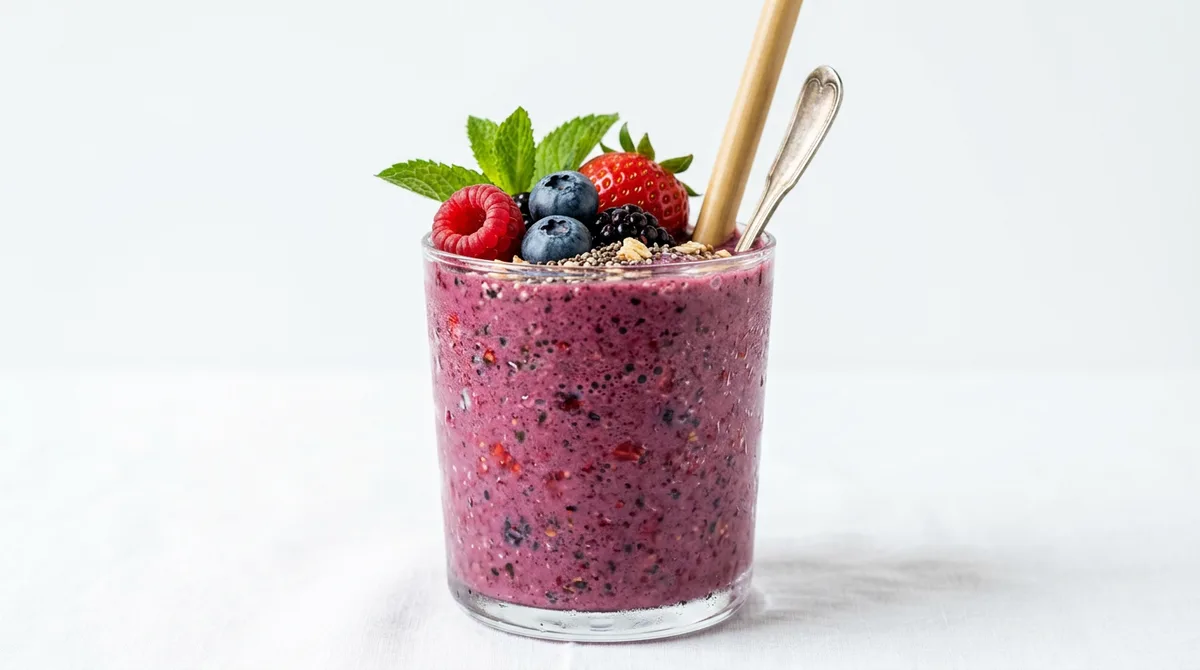
Cannabis Drinks: Smoothies, Tea, Golden Milk & Recipes

Cannabis Grillen: BBQ, Marinaden & Rezepte für den Sommer
Infused Kitchen: Cannabis recipes for baking, cooking, grilling & drinks

Social Media Ads: More Sales Through Targeted Online Marketing

Career start after studies: What recruiters are really looking for