Cannabis and Sports: WADA Rules, Doping and Athletes
For recreational athletes, cannabis is legal in Germany under the KCanG — for licensed athletes, special rules apply. The World Anti-Doping Agency (WADA) keeps cannabis on the banned substances list, but has significantly raised the threshold. What competitive athletes need to know: deadlines, tests, suspensions, and the special case of medical cannabis.
WADA Status: Cannabis remains banned — but only during competition
Since 2024: Cannabis (THC and cannabinoids) is on the WADA banned list as a “Substance of Abuse” — exclusively in-competition. This means:
- In-Competition Period: Typically 12–24 hours before the competition until the end (depending on the sports federation). During this phase, THC is banned.
- Out-of-Competition: WADA explicitly does NOT ban cannabis outside of the competition period — consumption during training is not a doping violation according to the WADA code.
- Threshold since 2023: WADA has raised the urine threshold from 15 ng/mL to 150 ng/mL Carboxy-THC — a tenfold increase intended to better protect socially consuming athletes.
Important: National and federation-specific regulations can be stricter than the WADA Code. FIFA, UEFA, and IOC have their own threshold values.
Why is cannabis even on the banned list?
WADA justifies its continued presence on the banned list with three criteria — at least two must be met:
- Potential for performance enhancement (controversial — studies show mixed results, pain relief can influence endurance performance)
- Health risk for athletes (confirmed with high-dose consumption before competition)
- Violation of the “Spirit of Sport” (confirmed by WADA committees)
Critics and athlete associations argue that alcohol — a clearly more performance-hindering and health-damaging substance — is not on the list. The WADA discussion about cannabis is politically controversial.
How long is THC detectable in a doping test?
The key difference from the driver’s license limit: doping tests measure Carboxy-THC in urine, not THC in blood. Carboxy-THC (an inactive metabolite) is detectable for a much longer time than active THC:
- Occasional consumer (up to 3 times per week): 3–5 days below the WADA threshold (150 ng/mL)
- Moderate consumption (daily): 7–15 days
- Heavy consumption (multiple times daily, over years): 30+ days, up to 60–90 days with very heavy consumption
The threshold of 150 ng/mL means: Passive exposure to smoke no longer leads to positive tests. Only active consumption within a few days before the competition exceeds the limit.
Consequences of a positive doping test
A positive cannabis test for a licensed athlete is considered a doping rule violation (ADRV). The sanctions according to the WADA Code 2021:
- Standard ban: 1 year (Cannabis as a “Substance of Abuse” has a lower standard ban than “Performance-Enhancing Drugs”)
- Reduction to 3 months: If the athlete can prove that the consumption was not competition-related and he completed a treatment program
- Increase to 2–4 years: In aggravating circumstances (repetition, intent)
- Scrapping of results: Competition results from the testing period are nullified
Well-known cases: Sha’Carri Richardson (USA Sprinting, 2021, 1 month ban) and Ross Rebagliati (Snowboard, Olympics Nagano 1998 — first prominent Cannabis-ADRV) have brought the topic to global attention.
Medical Cannabis and TUE
Athletes with a cannabis prescription can apply for a Therapeutic Use Exemption (TUE) — but: Cannabis TUEs are only granted in justified exceptional cases under the WADA Code 2021, as cannabis is on the “Substance of Abuse” list, not on the “Performance-Enhancing” list.
In practice:
- TUE applications for cannabis are rarely approved (other medications are available as alternatives)
- Cannabidiol (CBD) has been removed from the WADA banned list since 2018 — CBD is not an issue
- THC-containing preparations (Dronabinol, Sativex) remain problematic during competition periods
- Patients should consult their team doctor and the national anti-doping agency (NADA in Germany) before a competition
CBD in sports: No problem
Since the WADA decision in 2018, pure cannabidiol (CBD) has been legal for athletes:
- CBD oil, CBD capsules, topical CBD products: Not on the banned list
- Risk: Contamination — some CBD products contain traces of THC (production errors). This can lead to positive results in competition tests. WADA does not accept “contamination” as an automatic excuse.
- Recommendation: Use only CBD products with a CoA (Certificate of Analysis) and batch test results below 0.001% THC
Sports federations with their own cannabis rules
Not all federations strictly follow the WADA code:
- FIFA: Follows WADA limit (150 ng/mL in-competition)
- IOC (Olympics): Follows WADA code, in addition a behavioral code (public image)
- NFL (USA): Removed cannabis from the doping program in 2020 — no longer banned
- NBA (USA): Also no longer conducts THC tests in the regular program since 2020
- UFC/MMA: Has its own limits, continues to enforce strictly
- DFB, DFL: Follow FIFA/WADA code
Cannabis Effect on Athletic Performance
The scientific evidence is mixed — no clear performance-enhancing effect:
- Pain relief: THC can reduce muscle soreness and inflammatory pain — potentially useful for recovery, but no direct performance advantage
- Endurance: Acute THC effects increase heart rate (tachycardia) — worse for aerobic performance
- Reaction time: Slows under acute effects — clearly disadvantageous for precision sports
- Muscle building: No anabolic effect known
- Sleep quality: Regular use can suppress REM sleep — medium-term worse for athlete recovery
Those interested in learning more about the detectability of THC in the body:
For athletes concerned about their hormone levels: Cannabis and Hormones: Testosterone, Fertility and Effects — what regular use does to LH release, testosterone levels, and sperm quality.
Frequently Asked Questions About Cannabis and Sports

Infused Kitchen at FIV: The new cannabis cooking portal
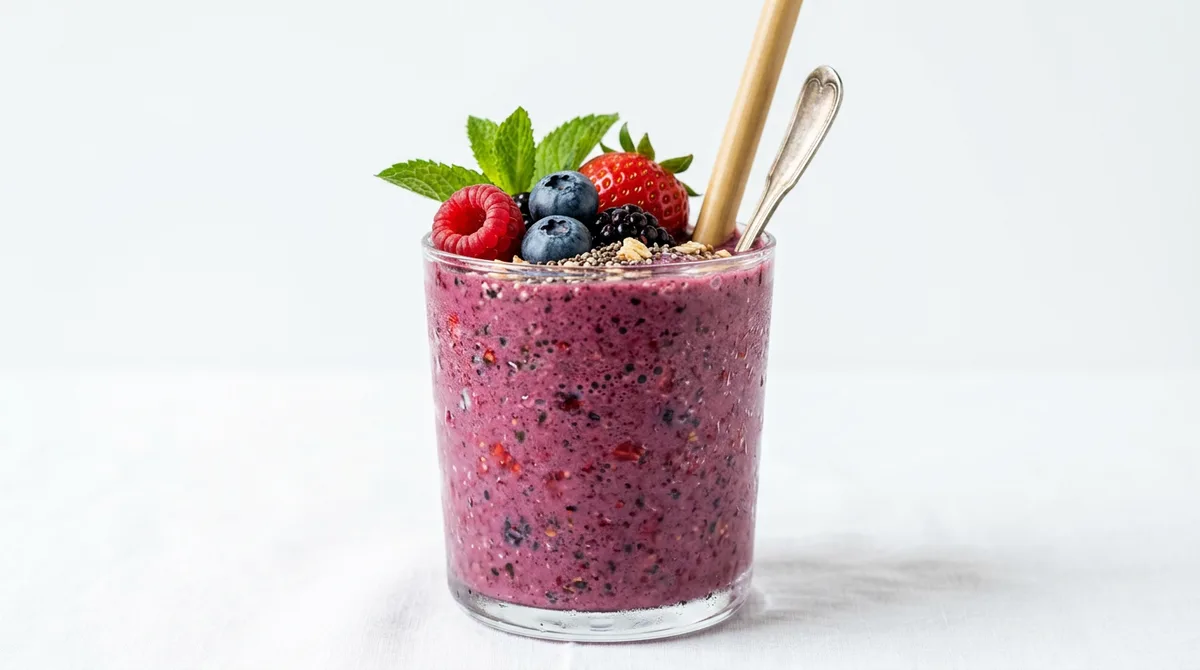
Cannabis Drinks: Smoothies, Tea, Golden Milk & Recipes
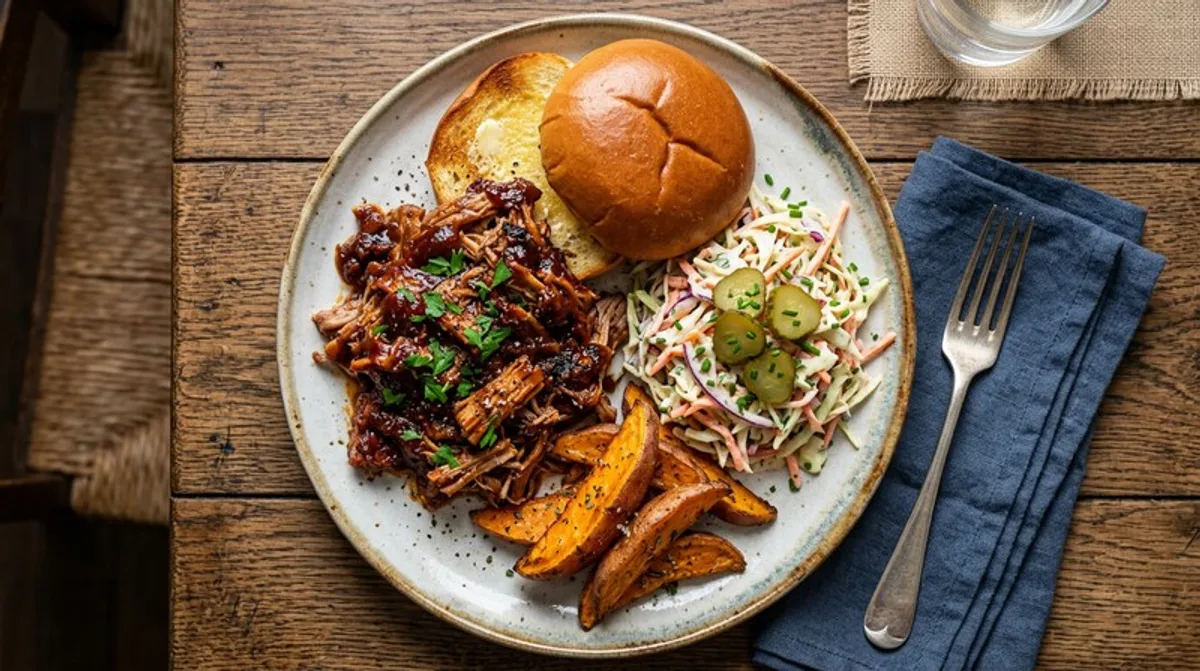
Cannabis Grillen: BBQ, Marinaden & Rezepte für den Sommer
Infused Kitchen: Cannabis recipes for baking, cooking, grilling & drinks

Social Media Ads: More Sales Through Targeted Online Marketing

Career start after studies: What recruiters are really looking for