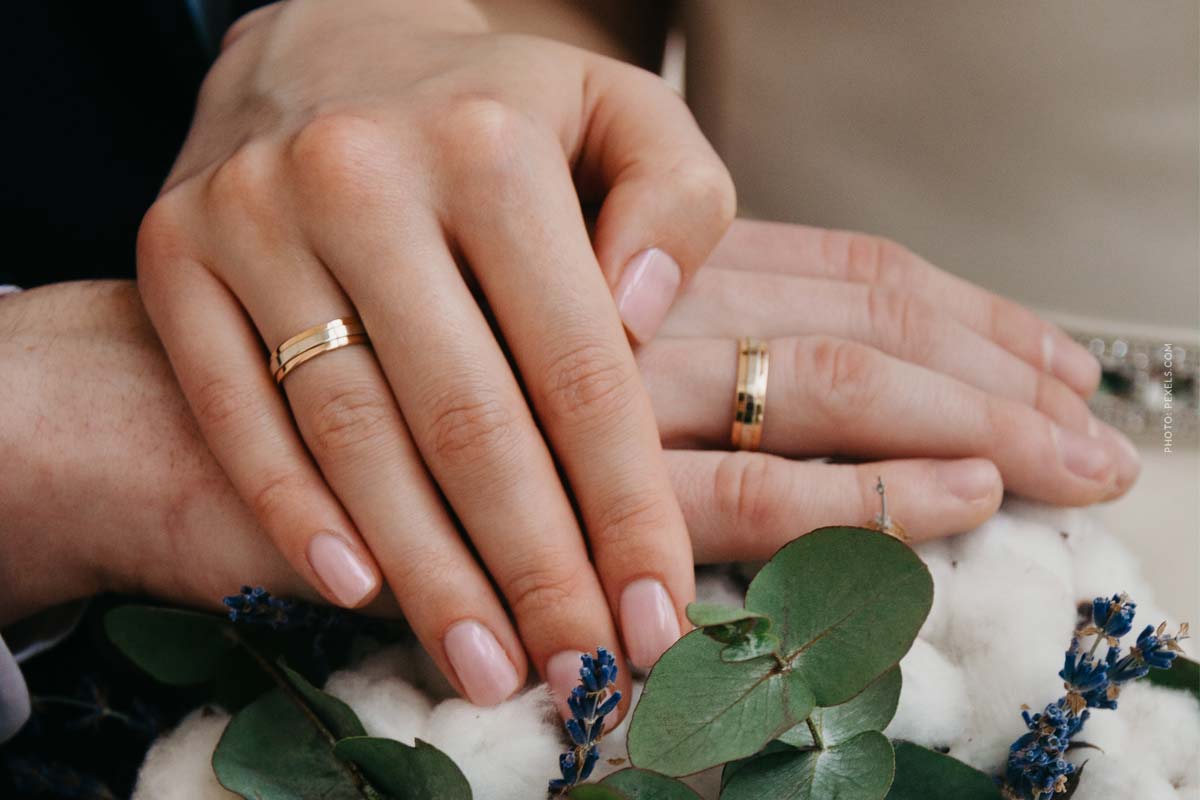
Interesting facts about wedding rings: origin, meaning, characteristics & more.
Wedding rings are much more than jewelry — they are the symbol of a lifelong connection. This guide explains everything about materials, styles, price ranges, authenticity checks, and care of wedding rings. With a purchase guide table and FAQ.
What makes wedding rings special? Symbolism, materials & craftsmanship
The round shape of the wedding ring is no coincidence: it symbolizes infinity and durability. Already in ancient Egypt and ancient Rome, couples wore rings made from plant-based materials. In the Middle Ages, the tradition spread throughout Europe — initially made from simple metals, today from precious alloys with the highest level of craftsmanship.
A good wedding ring must last for decades: daily wear, work, sports, water. That’s why the choice of material is as crucial as the design.
Jeweler tip: Wedding rings should always be chosen by both partners together. What looks harmonious is often just as important as the material. Plan at least 6–8 weeks lead time for custom-made models.
Purchase guide — What to look for in wedding rings?
| Feature | What it means | Tip |
|---|---|---|
| Material | Precious metal and alloy determine quality and price | Minimum standard: 585 gold or 950 platinum |
| Width | Rails typically 2–8 mm wide | Women: 3–4 mm, Men: 5–7 mm as a guideline |
| Surface | Shine, matte finish, hammer texture, milgrain | High gloss shows scratches more clearly — matte finish is easier to maintain |
| Profile | Flat, arched (Court), D-shaped | Arched profile (Comfort-Fit) feels more comfortable |
| Engraving | Personal text or symbol inside/outside | Laser engraving is more precise than hand engraving |
| Stone Setting | Optional: Diamonds, sapphires, rubies | Set stones increase cost and maintenance |
| Stamp | EU requirement: Fineness in thousandths (e.g. 585, 750, 950) | Always check before purchase — shows authenticity |
The Most Popular Wedding Ring Styles & Shapes
- Classic Band Ring: Simple, timeless, without stones — the absolute bestseller. Matches every outfit and every personality.
- Comfort-Fit Ring: Slightly curved inside for higher wearing comfort — especially popular for men.
- Pavé Wedding Ring: Small diamonds or stones set in — for women who want some sparkle.
- Eternity Ring: Stones encircling the entire ring — often used as a complement to the engagement ring or anniversary gift.
- Bicolor Ring: Combination of two precious metals (e.g. yellow gold + white gold) — modern and individual.
- Structured Ring: With grooves, hammering or milgrain edge — handcrafted charm, timeless style.
- Custom Made Ring: Made to your own specifications — highest uniqueness, higher price.
Price Ranges & Brands for Wedding Rings
Wedding rings are available in all budget categories. The price depends on material, width, stone setting and brand.
Entry Level (300 – 800 €)
Sleek 585 gold rings or matte stainless steel rings. Brands like Stroili, Xenox or local jewelers. A good choice for minimalist couples on a tight budget.
Mid-Range (800 – 2.500 €)
750 gold rings or platinum, often with fine engraving or small stone setting. Brands like Wempe, Christ, Bucherer offer excellent quality and personal advice in this category.
Luxury (over 2.500 €)
Platinum rings with diamonds, custom-made. Cartier, Tiffany & Co., Chopard or Niessing (German traditional house for wedding rings) stand for the highest craftsmanship. Values that are preserved across generations.
More inspiration for luxury jewelry: Luxury Shopping in Germany and Luxury Watches as a Companion to the Wedding Ring.
Which hand, which finger? — Traditions worldwide
The question is not as simple as it sounds:
- Germany, Austria, Switzerland: Engagement ring on the right ring finger — tradition from antiquity (right hand = “good hand”)
- USA, France, United Kingdom: Engagement ring on the left ring finger — based on the ancient belief that a vein leads directly to the heart (Vena amoris)
- Spain, South America: Also left hand
The choice ultimately remains personal — what matters more is that the ring fits and is worn.
Check authenticity — Stamps & Methods
When it comes to used or imported rings, authenticity testing is essential:
Pflichtiger Feingehalt-Stempel (EU)
- Gold: 333, 585, 750 (14K, 18K)
- Platin: 950, 900, 850
- Silber: 925 (Sterlingsilber)
Testing methods
- Acid test: Acid on the grinding surface — reaction shows gold content. Only by a jeweler!
- XRF analysis: Non-destructive X-ray fluorescence — the most accurate method, at the pawn shop or jeweler
- Magnet Test: Gold, Silver and Platinum are not magnetic — simple first check
How to Care for & Clean Wedding Rings — Step-by-Step
Wedding rings are worn daily and require regular care:
- Soak in lukewarm water: 10–15 minutes in lukewarm water with a drop of mild dish soap
- Gently brush: Soft toothbrush for gaps and under stone settings
- Rinse carefully: Clear water, close the drain beforehand
- Dry with a soft, lint-free cloth: Soft, lint-free cloth
- Polish: Gold polishing cloth or silver care cloth depending on the metal
- Professional maintenance: Annually at the jeweler — ultrasonic cleaning, rhodium refresh for white gold, inspection of stone settings
What to avoid: Chlorine (swimming pool, whirlpool), aggressive cleaning agents, ultrasonic cleaning for rings with organic stones (pearls, coral, opals). Remove the ring during sports, gardening and in the kitchen.
As a gift: Wedding ring for special occasions
| Occasion | Style | Budget |
|---|---|---|
| Wedding / Ceremony | Classic band ring or with small diamond accent | 500 – 3,000 € (per ring) |
| Silver Wedding (25 years) | Renewal or addition — Eternity ring | 1,000 – 5,000 € |
| Golden Wedding (50 years) | Platinum upgrade or custom-made anniversary ring | from 2,000 € |
| Engagement | Solitaire ring with diamond or gemstone | 1,000 – 10,000 € |
| Anniversary | Eternity ring or engraved band ring | 300 – 2,000 € |
The Perfect Wedding Dress for the Wedding Ring
The choice of the wedding dress should match the ring — not only in color (yellow gold for a warm dress, white gold and platinum for a cool dress), but also in style.
Peter Langner: Elegant Wedding Dresses
Embroidered tulle, Alençon lace and romantic pearls — Peter Langner’s collections are the perfect counterpart to classic gold rings.
https://www.youtube.com/watch?v=FgxTSIuVTcU
Elie Saab: Dreamy Romance
Sparkling sequins, delicate tulle and dramatic beadwork — perfectly combinable with a pavé wedding ring.
How a Wedding Dress is Made
Craftsmanship meets emotion — here’s a look behind the scenes of wedding dress production.
FAQ — Wedding Rings
On which hand is the wedding ring worn?
In Germany, Austria and Switzerland, the wedding ring is worn on the right hand. In the USA, France and Great Britain on the left. The choice remains personal and culturally influenced.
Which material is best for wedding rings?
18 karat gold (750 gold) or 950 platinum are the first choice for wedding rings. They are durable, hypoallergenic and retain their value. 585 gold is a good mid-range option.
How much should a wedding ring cost?
As a guideline: 500 – 2,000 € per person for a solid model. Luxury rings start at 2,500 €. The traditional rule of thumb (1–3 months’ salary) is now considered outdated.
Can wedding rings be engraved?
Yes — almost every jeweler offers laser engraving. Popular options include dates, initials, or short messages. Laser engraving is more precise and durable than hand engraving.
What to do if the wedding ring no longer fits?
Gold rings can usually be adjusted by 1–2 ring sizes. With rings that have full circumferential stones (Eternity), this is not possible — here a jeweler can offer a solution.

Infused Kitchen at FIV: The new cannabis cooking portal
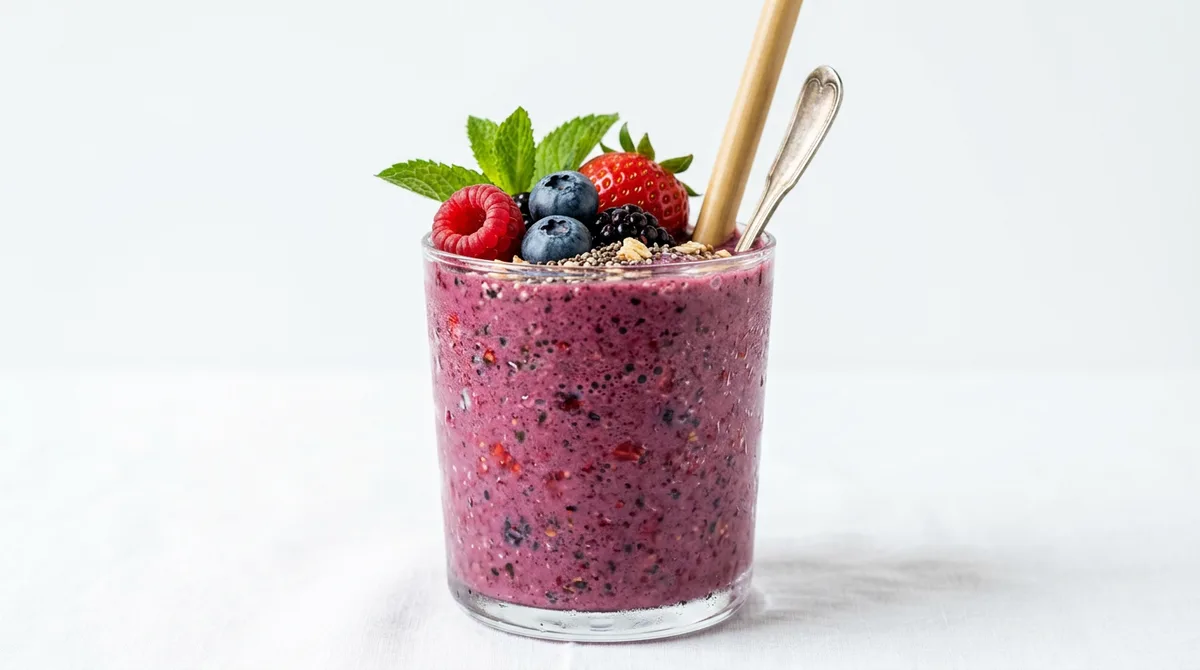
Cannabis Drinks: Smoothies, Tea, Golden Milk & Recipes
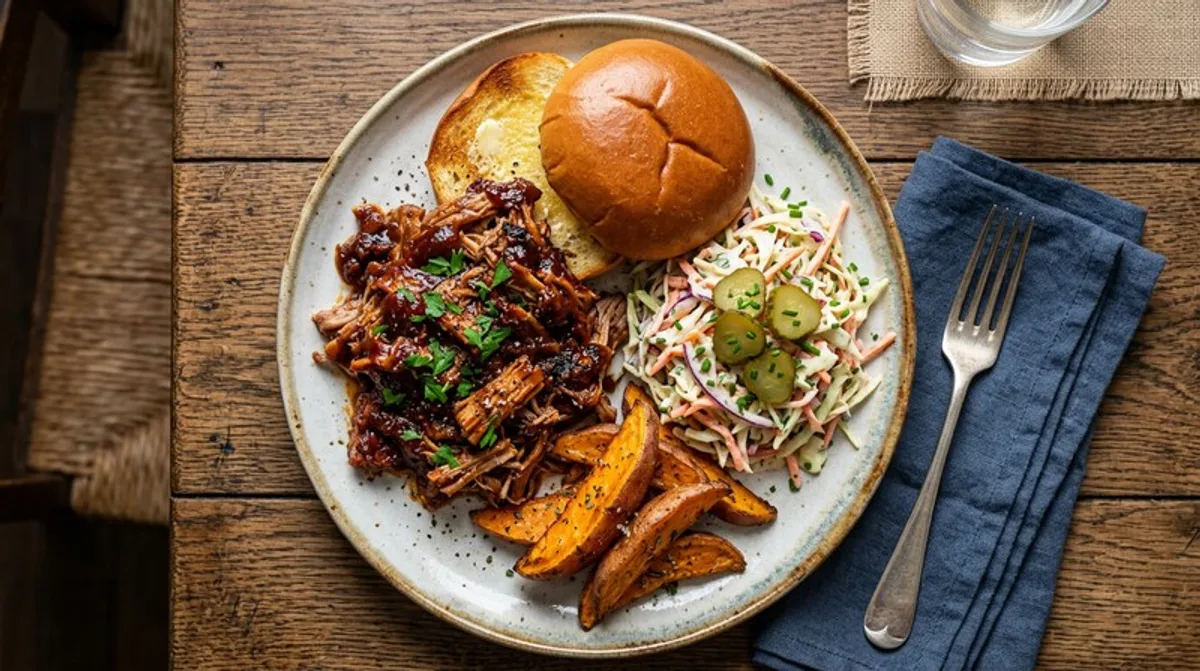
Cannabis Grillen: BBQ, Marinaden & Rezepte für den Sommer
Infused Kitchen: Cannabis recipes for baking, cooking, grilling & drinks

Social Media Ads: More Sales Through Targeted Online Marketing
Career start after studies: What recruiters are really looking for