Cannabis and the Immune System: CB2, Autoimmune Diseases and Inflammation
While CB1 receptors are primarily located in the central nervous system, CB2 is the receptor of the immune system. Cannabis and cannabinoids — especially CBD and CBG — directly influence immunological processes. What this means for autoimmune diseases, inflammations, and general immune function.
CB2: The Immune System Endocannabinoid System
CB2 is anatomically a different world from CB1:
- Distribution: CB2 receptors are primarily found on immune cells — B-lymphocytes (highest density), NK cells, monocytes, macrophages, dendritic cells, and mast cells. Also on microglia in the CNS (the immune-reactive part of the brain)
- Function: CB2 activation modulates the release of cytokines. General tendency: CB2 agonism inhibits pro-inflammatory cytokines (TNF-α, IL-6, IL-12) and promotes anti-inflammatory ones (IL-10). Immune modulation, not immune suppression
- No psychoactive effect: CB2 has no direct psychoactive effects — CB2-selective agonists could theoretically suppress inflammation without any typical THC effects. Active area of research
- Endocannabinoids on immune cells: Immune cells produce their own endocannabinoids (anandamide, 2-AG) and modulate their own activity through an autocrine/paracrine feedback loop
- CB2 upregulated during inflammation: In inflamed tissue, CB2 expression is significantly upregulated — the immune system “calls for” endogenous cannabinoids. Exogenous cannabinoids complement this mechanism
Cannabis as an anti-inflammatory: Mechanisms
The anti-inflammatory effects of cannabis operate through several parallel pathways:
- CBD and NF-κB: CBD inhibits the transcription factor NF-κB — a main switch for the production of inflammatory genes. Less NF-κB activation = less TNF-α, IL-6, COX-2
- THC via CB2: THC activates CB2 on macrophages → cytokine shift from pro- to anti-inflammatory. Reduced secretion of TNF-α and IL-1β has been demonstrated
- CBD and TRPV1: CBD activates and desensitizes TRPV1 channels (pain receptor/inflammation sensor) → reduces local inflammatory response in peripheral tissue
- Increased Anandamide levels through CBD: CBD inhibits FAAH → higher anandamide levels → enhanced CB2 activation on immune cells → dampened inflammatory response
- CBG as a CB2 agonist: Cannabigerol (CBG) — the “mother cannabinoid” — shows strong CB2 binding affinity and its own anti-inflammatory properties. CBG research is still young, but promising.
Cannabis in autoimmune diseases
Autoimmune diseases arise from misguided immune responses — CB2 modulation can intervene regulatively:
- Crohn’s disease and ulcerative colitis (IBD): Best-supported autoimmune indication for cannabis. CB1 and CB2 receptors are densely distributed in the intestinal mucosa. Naftali et al. 2013 (CID): Cannabis significantly reduced CDAI in Crohn’s disease compared to placebo. Steroid reduction and remission rates described in observational studies
- Rheumatoid arthritis: Blake et al. 2006 (Rheumatology): Sativex (Nabiximols) significantly reduced movement pain, rest pain, and sleep disturbances in RA compared to placebo in RCT. Inflammatory markers (CRP) not significantly changed — effect predominantly analgesic
- Multiple Sclerosis: Sativex approved for MS spasticity. CB2 effects on neuroinflammation could be disease-modifying — preclinical evidence, clinical RCTs are lacking for this endpoint
- Lupus (SLE): Biologically plausible through CB2 modulation on B-cells (key players in lupus). No controlled studies — anecdotal reports and small case series
- Psoriasis: CB1 and CB2 in the skin (keratinocytes, dermal fibroblasts). CBD products increasingly used for psoriasis. Small studies show reduction of keratinocyte proliferation

Cannabis and the Gut Microbiome
An underestimated connection:
- ECS in the gut: The endocannabinoid system is deeply integrated into the gut-brain axis. CB1 and CB2 regulate motility, secretion, immune activation, and gut barrier function
- Microbiome changes: Animal models show that cannabis consumption alters the gut microbiome — partly beneficial (reduction of Firmicutes/Bacteroidetes ratio). Human data is limited
- Gut-Brain Axis: ECS modulation in the gut influences the CNS via the vagus nerve. Explains connections between cannabis effects on mood and gastrointestinal issues
Immune suppression through cannabis: Risks
- Chronic use and immune defense: Chronic THC use can dampen Th1 immune responses (defense against viruses and intracellular bacteria). Increased susceptibility to respiratory infections in regular users has been described
- Immunosuppressed patients: Caution is advised for transplant recipients, HIV patients, and those on immunosuppressants — cannabis can influence immunomodulatory medications
- Inhalation vs. oral: Smoked cannabis causes airway irritation and increased susceptibility to lung inflammation. Vaporizers or oral intake avoid this issue in immunocompromised individuals.
- Autoimmune patients and statutory health insurance: IBD, rheumatism, lupus can be indications for medical cannabis. Consultation with the treating rheumatologist/gastroenterologist is essential — interactions with biologics and immunosuppressants must be considered
Cannabis in the most common autoimmune indication in neurology: Cannabis in Multiple Sclerosis. How CB2 activation works in chronic pain:
Cannabis and the liver — CB2 on Kupffer cells, fibrosis in hepatitis C and CBD hepatotoxicity: Cannabis and the liver.
Frequently asked questions about cannabis and the immune system

Infused Kitchen at FIV: The new cannabis cooking portal

Cannabis Drinks: Smoothies, Tea, Golden Milk & Recipes
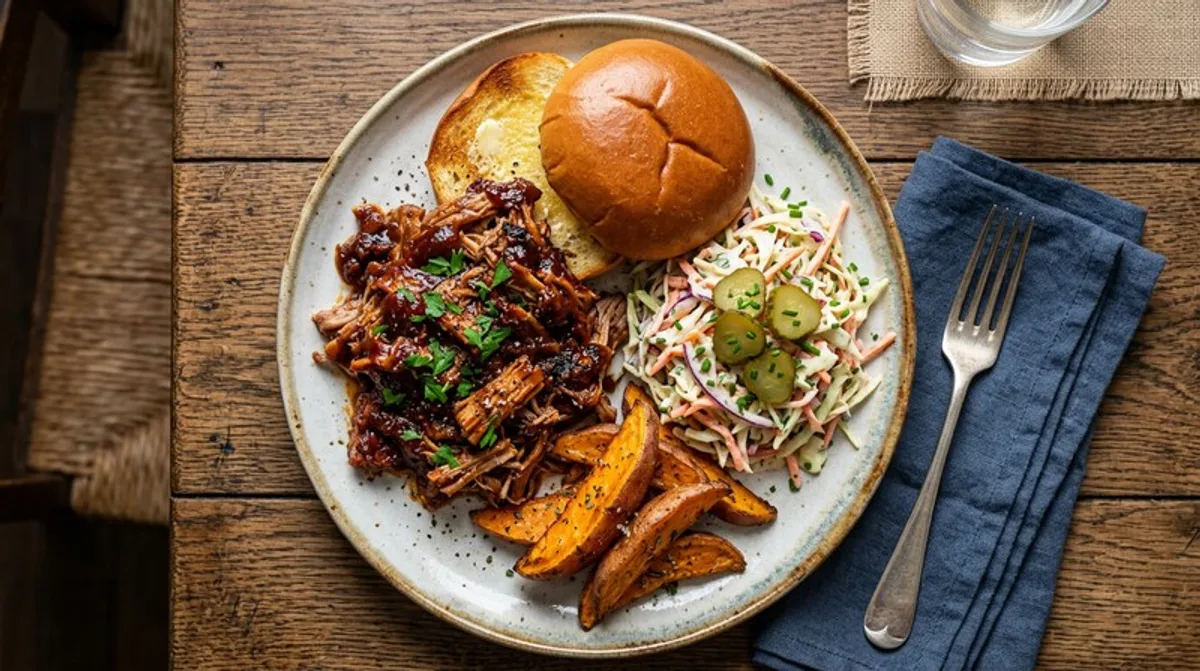
Cannabis Grillen: BBQ, Marinaden & Rezepte für den Sommer
Infused Kitchen: Cannabis recipes for baking, cooking, grilling & drinks

Social Media Ads: More Sales Through Targeted Online Marketing

Career start after studies: What recruiters are really looking for