Cannabis and Cancer: Antitumor Effects, Palliative Therapy and Evidence
Cannabis and cancer — few topics are more emotionally charged and surrounded by more misinformation. On one side, there are healing promises without evidence, on the other side, conservative medicine overlooks real palliative uses. This article clearly distinguishes between preclinical anti-tumor findings, what of that is clinically relevant, and the proven palliative medical benefits.
Anti-tumor effects: What the research shows
Cannabinoids have shown anti-tumor effects in cell culture and animal models — with important limitations:
- CB1/CB2 activation in tumor cells: THC and CBD can induce apoptosis (programmed cell death), inhibit cell proliferation, and reduce angiogenesis (new blood vessel formation in tumors) in cancer cell lines. Proven in vitro for glioblastoma, breast, prostate, and lung cancer cell lines.
- Glioblastoma — the most studied tumor: Guzmán 2006 (Nature Reviews Cancer) showed in a pilot human trial with 9 glioblastoma patients (as a last resort attempt): intracranial THC injection reduced tumor cell proliferation. No control arm, no survival as an endpoint
- CBD and tumor suppression: CBD showed inhibition of metastasis in animal models (breast cancer, colon cancer). Mechanism: inhibition of VEGF expression and modulation of the PI3K/Akt signaling pathway
- The critical problem: In vitro effects occur at concentrations that cannot be reached in human tumor tissue. Oral/inhalative cannabis use leads to systemic levels that are orders of magnitude below the in vitro effective concentrations
- Biphasic effects: Low cannabinoid concentrations can even stimulate tumor cell growth (CB1 activation at low dose levels). This finding from animal models is not yet fully understood clinically
Rick Simpson Oil and the problem of healing promises
Rick Simpson Oil (RSO, Phoenix Tears) is a highly concentrated cannabis extract marketed as a cancer cure:
- Origin story: Rick Simpson claimed that he cured his skin cancer using self-made highly concentrated cannabis oil. The story spread virally — without any clinical documentation or control
- Evidence for RSO: No controlled studies. No published case series with verification. No peer-reviewed data. Anecdotes that cannot be generalized
- Risks of the healing promise: Patients shift or refuse proven therapies (chemotherapy, radiation, surgery) in favor of cannabis. This is medically dangerous and has led to avoidable deaths in documented cases
- Clear message: Cannabis is not a curative for cancer. It is not a substitute for standard oncological treatment. The anti-tumor data are preclinical and not clinically valid. This does not change its palliative medical benefits
Palliative Medicine Benefits: Where Cannabis Really Helps in Cancer
Here the evidence is clearly stronger and clinically relevant:
- Pain: Chronic tumor pain — neuropathic, nociceptive, combined — responds to cannabinoids. CB1-mediated pain modulation complements opioid therapy. Opioid reduction through cannabinoids shown in several studies (opioid-sparing effect)
- CINV (Chemotherapy-induced nausea and vomiting): Nabilone and Dronabinol are approved for refractory CINV. Second-line after failure of 5-HT3+NK1+Dexamethason. Well documented — see Cannabis for Nausea and Chemotherapy
- Appetite and Cachexia: Tumor cachexia is life-threatening. THC stimulates appetite via CB1 in the hypothalamus. Dronabinol has FDA approval for AIDS cachexia — used off-label for cancer-related cachexia. Weight stabilization as a goal
- Anxiety and Depression: Cancer diagnosis and treatment are major psychological stressors. CBD’s effect on the amygdala and serotonin system can reduce anxiety. Sleep improvement through THC is relevant for exhausted cancer patients
- Neuropathic Pain from Chemotherapy: CIPN (Chemotherapy-Induced Peripheral Neuropathy) is often treatment-resistant. Cannabinoids via TRPV1 and CB1 peripherally can modulate CIPN pain
Interactions with Chemotherapeutics
Cannabis in cancer patients requires special caution regarding interactions:
- CYP Interactions: CBD inhibits CYP3A4 and CYP2C9 — two of the most important enzymes for chemotherapy metabolism. Taxanes (Paclitaxel), alkylating agents (Cyclophosphamide), tyrosine kinase inhibitors can be affected. Plasma levels can rise → increased toxicity possible
- THC and CYP1A2: THC can influence CYP1A2 — relevant for Imatinib and other cancer drugs
- Immunotherapy: In animal studies with checkpoint inhibitors (PD-1/PD-L1) such as Pembrolizumab, there are indications of CB2-mediated immunomodulation. Clinical relevance unclear — consult your oncologist
- Duty to disclose: Cancer patients must inform their oncologist about cannabis use — not for moral reasons, but to ensure safe dosing of chemotherapy drugs
GKV reimbursement for cancer patients
- Cancer = recognized indication: Oncological diseases are one of the most frequently approved indications for medical cannabis in Germany. GKV reimbursement rate for cancer patients is comparatively high
- Indications with highest success rate: CINV (nausea), cancer-related pain, loss of appetite/cachexia, therapy-related sleep disturbances
- Prescription: Oncologist or general practitioner with oncological care. Increasingly also specialized cannabis clinics with oncological expertise
- Pragmatic approach: Cannabis as part of the palliative care concept — pain therapy, antiemetic, appetite stimulation — apply simultaneously, not one after the other
Cannabis as an antiemetic during chemotherapy — Nabilone and Dronabinol in detail: Cannabis for nausea and chemotherapy. How cannabinoids modulate pain:
Cannabis in metabolic diseases — insulin resistance, THCV and diabetes: Cannabis and diabetes.
Frequently asked questions about cannabis and cancer

Infused Kitchen at FIV: The new cannabis cooking portal
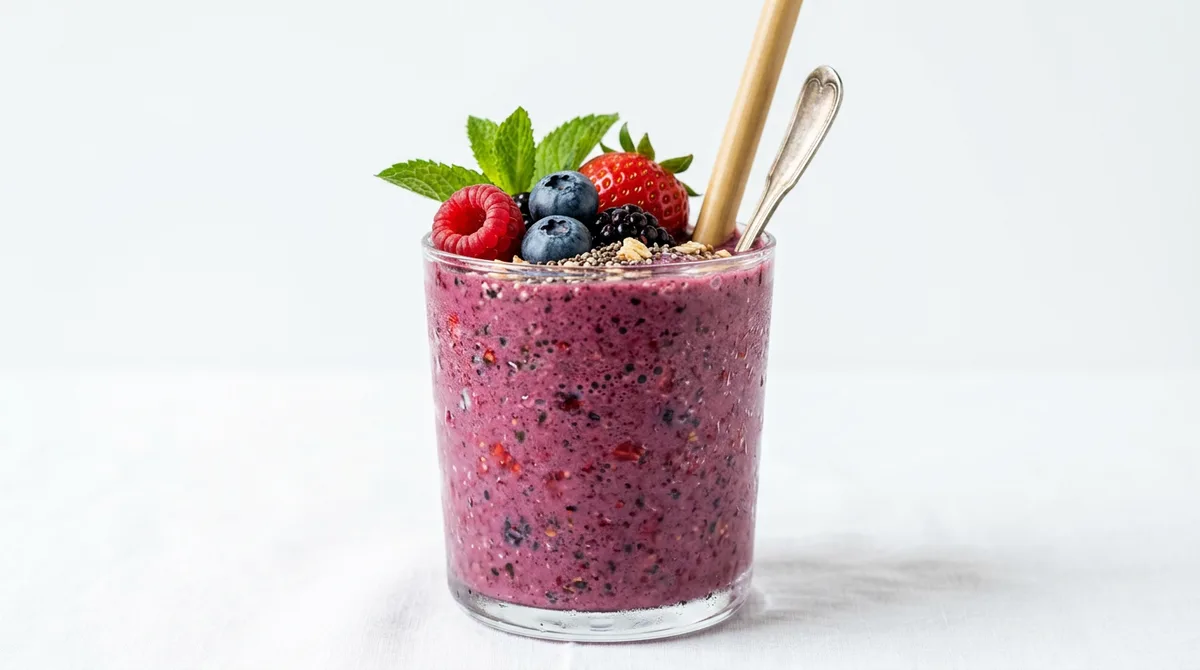
Cannabis Drinks: Smoothies, Tea, Golden Milk & Recipes
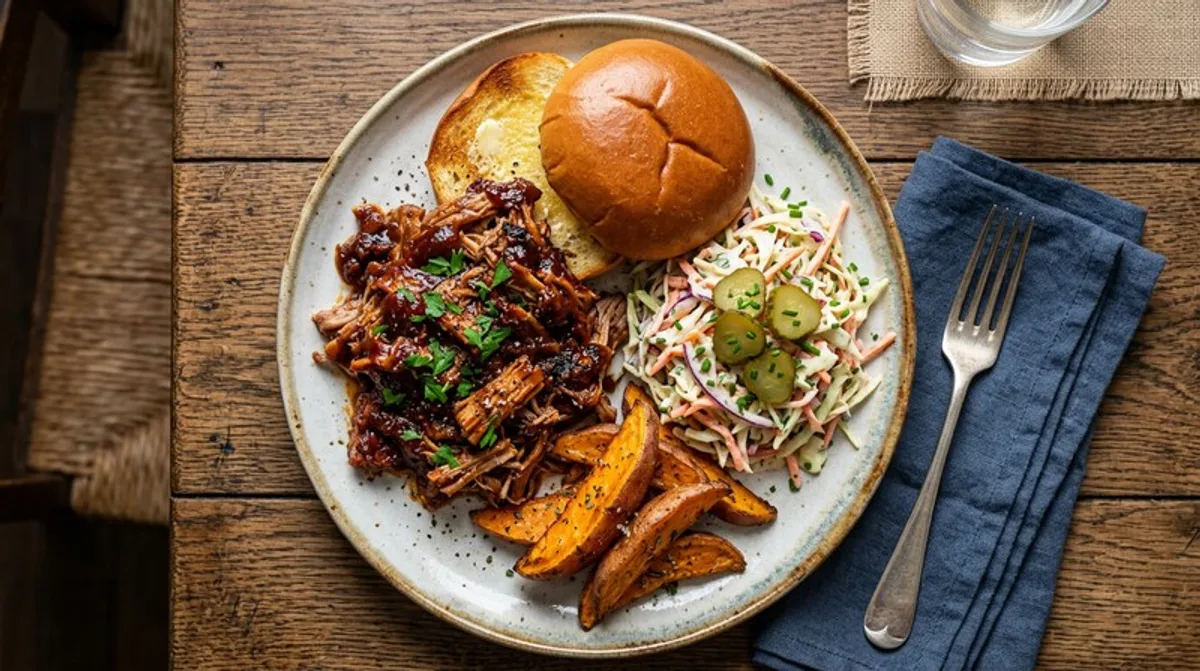
Cannabis Grillen: BBQ, Marinaden & Rezepte für den Sommer
Infused Kitchen: Cannabis recipes for baking, cooking, grilling & drinks

Social Media Ads: More Sales Through Targeted Online Marketing

Career start after studies: What recruiters are really looking for