
Cannabis and the Liver: Hepatitis, Fibrosis and CBD
The endocannabinoid system is deeply integrated into liver physiology — with a remarkable peculiarity: CB1 on liver cells promotes fibrosis and steatosis, while CB2 on liver macrophages has anti-fibrotic and hepatoprotective effects. THC activates both receptors, whereas CBD modulates the system through other pathways. What hepatology knows about the liver effects of cannabis.
ECS in the liver: CB1 and CB2 on liver cells
The liver expresses both cannabinoid receptors — with opposing functions:
- CB1 on hepatocytes and stellate cells: CB1 receptors are expressed on liver cells (hepatocytes) and hepatic stellate cells (stellate cells — the main producers of liver scar tissue). CB1 activation on stellate cells promotes their activation into myofibroblasts → increased collagen production → fibrosis. Endogenous CB1 activation is part of the normal fibrosis signaling pathway in liver damage
- CB2 on Kupffer cells: Kupffer cells (liver-resident macrophages) express CB2 receptors. CB2 activation dampens pro-inflammatory activation of Kupffer cells → reduced TNF-α and IL-1β production → less hepatic inflammation → slowed fibrosis development
- THC activates CB1 and CB2: Exogenous THC activates both receptors simultaneously. CB1 activation on stellate cells promotes fibrosis; CB2 activation on Kupffer cells inhibits inflammation. The net effect is dose-dependent and differs between acute vs. chronic consumption
- FAAH in the liver: FAAH (the anandamide-degrading enzyme) is highly expressed in the liver. CBD inhibits FAAH → increased anandamide → moderated CB1/CB2 activation. This mechanism explains partly the different liver effects of THC (direct CB1 agonist) vs. CBD (indirect modulator)
THC and liver fibrosis: Hepatitis C as a critical context
The clinically significant data come from Hepatitis C research:
- Naveau et al. 2004 (Hepatology): Prospective study with 270 HIV/HCV co-infected patients. Daily cannabis use was the strongest independent risk factor for accelerated liver fibrosis progression — stronger than alcohol in this cohort. Adjusted OR 3.0 for significant fibrosis with daily use
- Hézode et al. 2005 (Gut): 270 HCV patients without HIV. Daily cannabis use associated with higher fibrosis rate (F2–F4 according to Metavir) — dose-dependent. Mechanism: direct CB1 activation on stellate cells → fibrosis acceleration. Occasional use (less than daily) showed no significant effect
- Mechanism: In chronic hepatitis C, the liver is permanently inflamed and in active remodeling — stellate cells are already sensitized. Additional CB1 stimulation through THC gives these cells an additional pro-fibrotic stimulus. In a healthy liver without underlying disease, this effect is less clinically relevant.
- Hepatitis B: Less data, but a mechanistically similar risk assessment seems plausible. Patients with active hepatitis B and regular cannabis use should have close fibrosis monitoring
- Alcoholic liver disease: Combined alcohol and cannabis use shows an additive fibrosis effect in some studies. Daily cannabis use is contraindicated in existing alcohol-associated liver disease
CB2 and anti-fibrotic effects: The other side
CB2 agonists show pronounced anti-fibrotic properties in animal models:
- CB2 activation on stellate cells: In contrast to CB1, CB2 activation on hepatic stellate cells inhibits their activation — reduces collagen production and promotes apoptosis of activated stellate cells. CB2 is almost like the “brake” of CB1-mediated fibrosis
- Julien et al. 2005 (Gastroenterology): CB2 knockout mice developed more severe liver fibrosis than wild-type animals after liver injury — proves the physiological anti-fibrotic role of CB2. CB2 agonists significantly reduced fibrosis
- CBD and CB2: CBD has a low but measurable affinity for CB2, inhibits FAAH and activates PPARγ — all anti-fibrotic signaling pathways. CBD shows hepatoprotective effects (antioxidant, CB2-mediated anti-inflammatory) in models of hepatic ischemia and inflammation
- Rimonabant research: The CB1 antagonist Rimonabant showed anti-fibrotic and metabolic effects in liver diseases in clinical studies — but was withdrawn from the market due to psychiatric side effects (depression, suicide). The principle (CB1 blockade in the liver) is valid; suicide-safe peripheral CB1 antagonists are under development

CBD and liver toxicity: High doses are problematic
CBD is often perceived as liver-friendly — this is the opposite when taken in high doses:
- Epidiolex studies (GW Pharmaceuticals): In clinical studies with high-dose CBD (20 mg/kg/day for epilepsy), 5–20% of patients showed elevated liver enzymes (ALT/AST). 3% had clinically significant transaminase increases >3× ULN. The effect was dose-dependent and reversible after discontinuation
- FDA warning: The FDA has explicitly pointed out the risk of liver toxicity at high CBD doses. OTC CBD doses (25–100 mg/day) are considered significantly safer than therapeutic high doses (1,500–2,000 mg/day)
- Valproate interaction: CBD + Valproate (often combined in epilepsy) synergistically increases the risk of hepatotoxicity. With this combination, close monitoring of liver values (every 4–6 weeks) is mandatory. More on interactions: Cannabis and Interactions
- CYP2C9 and CYP3A4: CBD inhibits both enzymes — relevant interactions with medications metabolized via these pathways. In patients with pre-existing liver damage, CYP capacity is already reduced — CBD doses must be adjusted
- Practical consequence: Patients with liver disease should have liver values checked before taking CBD and have them rechecked after 4–6 weeks. In cases of pre-existing elevated transaminases: conservative doses (maximum 50 mg/day) and medical supervision
Cannabis in non-alcoholic fatty liver disease (NAFLD) and metabolic disorders
- CB1 and hepatic lipogenesis: Activation of CB1 in the liver increases fatty acid synthesis (lipogenesis) and inhibits fat oxidation → steatosis (fatty liver). Chronic THC consumption can promote the development of fatty liver in the presence of pre-existing metabolic syndrome. Relation to the diabetes complex: Cannabis and Diabetes
- Epidemiological data — surprising: Cross-sectional studies (Adejumo 2017, PLOS ONE, N=5.7 million) paradoxically show lower NAFLD prevalence among cannabis users. Possible explanation: lower BMI tendency and metabolic effects of occasional vs. daily-heavy consumption. Causality unclear, numerous confounders
- Conclusion for NAFLD: Occasional cannabis use shows no clearly adverse NAFLD effects in epidemiology. Daily heavy consumption in the presence of pre-existing fatty liver and metabolic syndrome: increased progression risk due to CB1 lipogenesis effect. Weigh individual risks, seek medical guidance
Cannabis and the immune system — CB2 on liver macrophages (Kupffer cells):
Buy CBD oil — quality criteria, COA verification and safe dosing — especially relevant with pre-existing liver function: Buy CBD oil.
Frequently asked questions about cannabis and the liver

Infused Kitchen at FIV: The new cannabis cooking portal
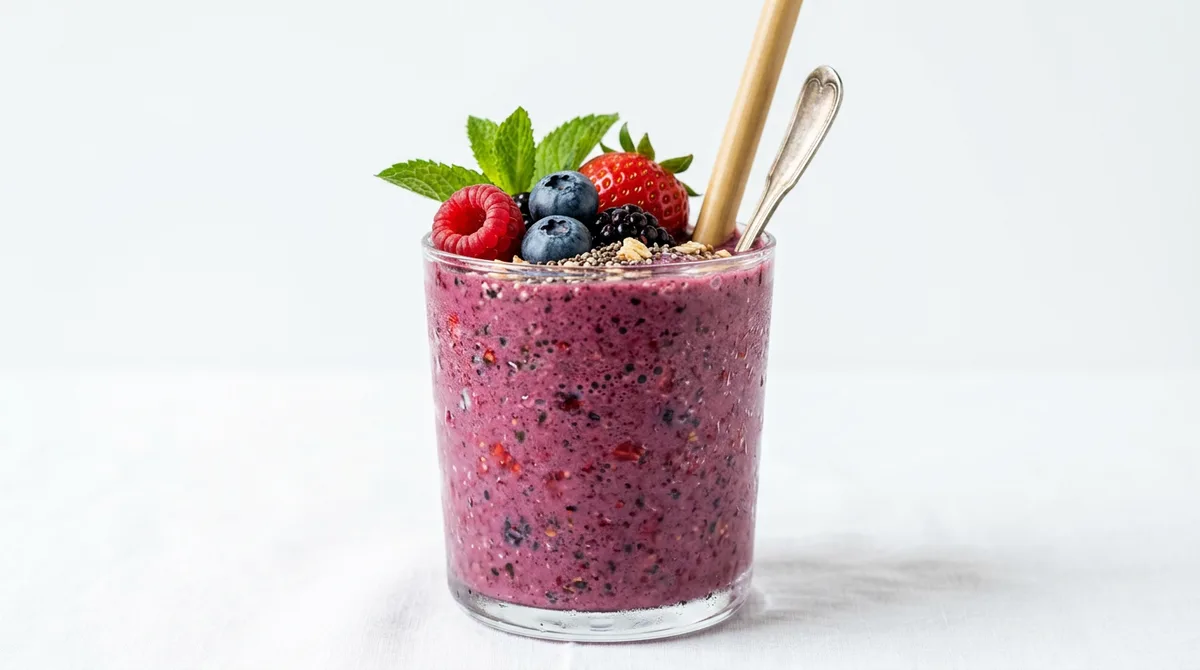
Cannabis Drinks: Smoothies, Tea, Golden Milk & Recipes
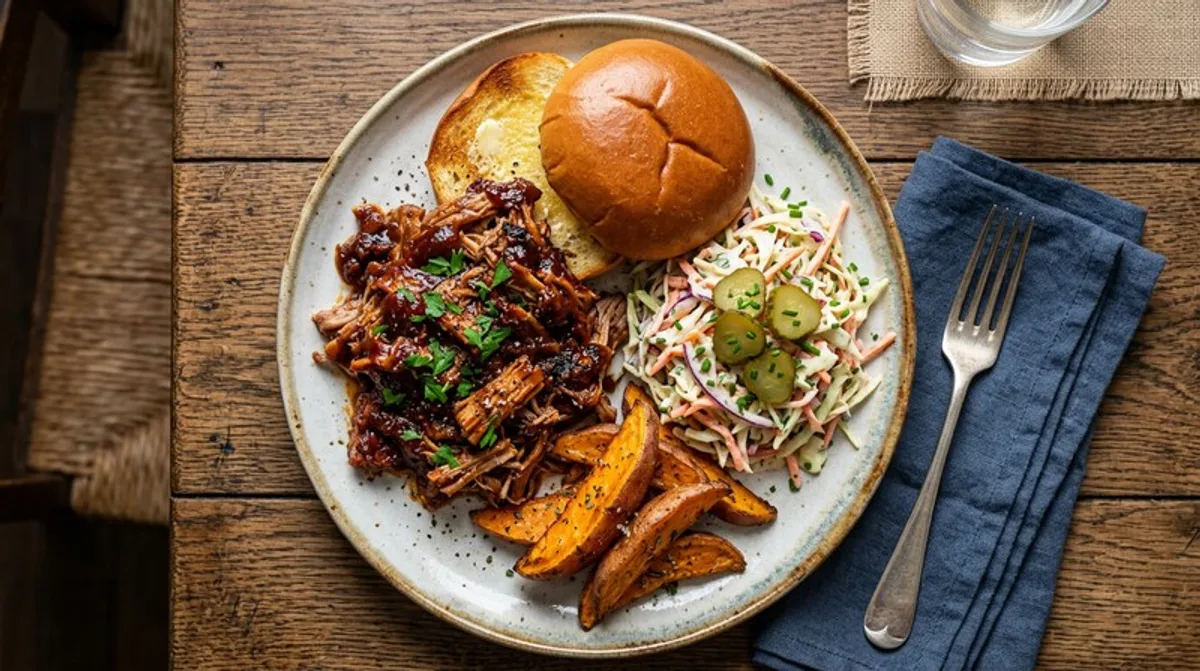
Cannabis Grillen: BBQ, Marinaden & Rezepte für den Sommer
Infused Kitchen: Cannabis recipes for baking, cooking, grilling & drinks

Social Media Ads: More Sales Through Targeted Online Marketing

Career start after studies: What recruiters are really looking for