Playing with Light – Outdoor Lifestyle Photography
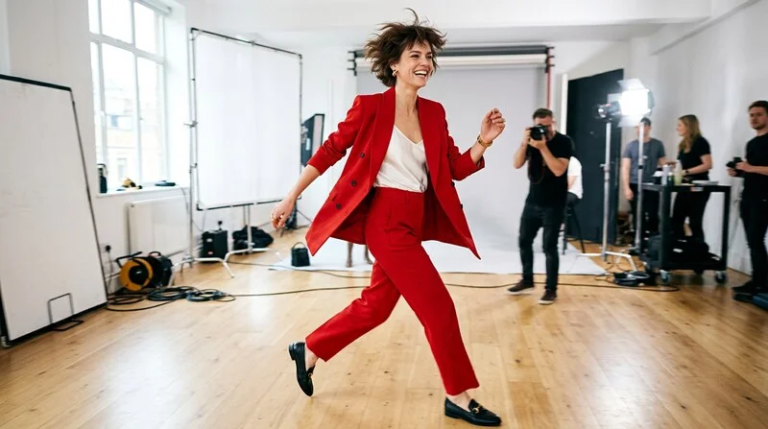
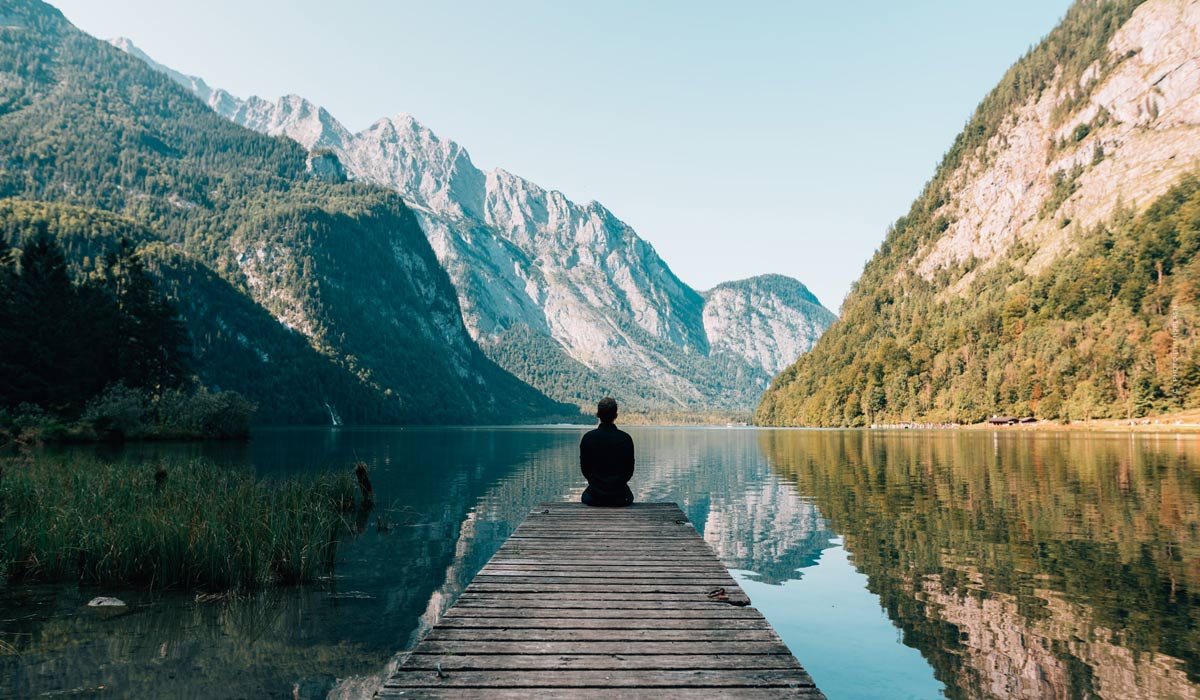
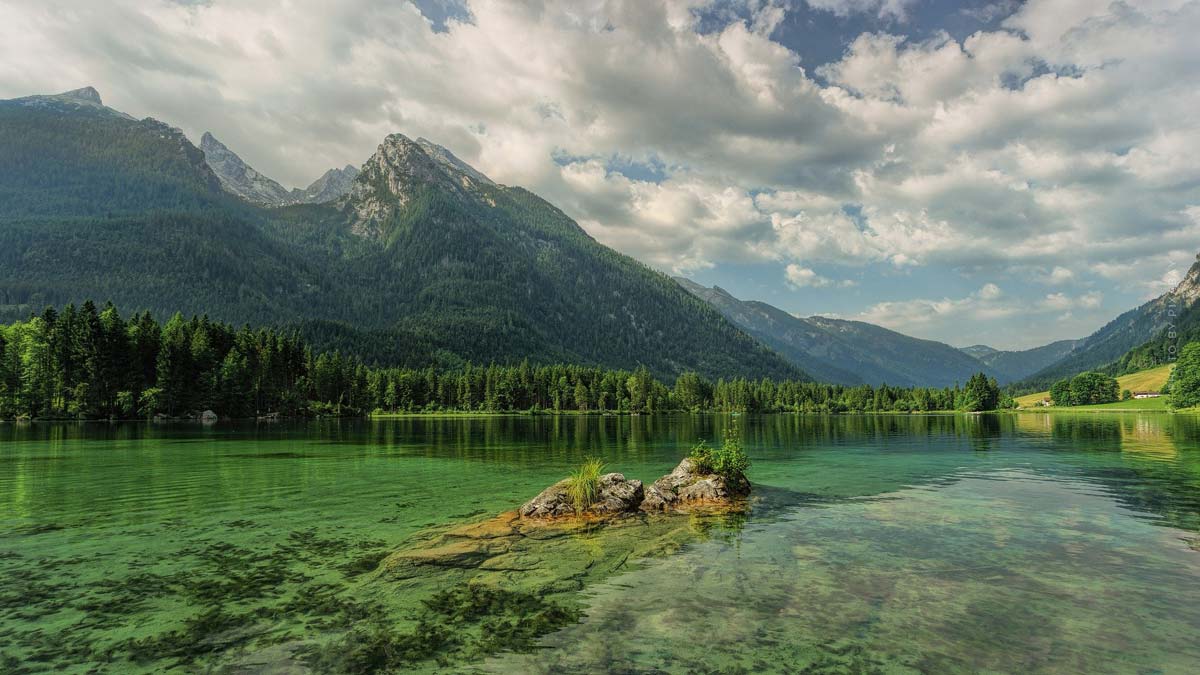
Have you ever wondered how some photographers on Instagram manage to create such incredibly beautiful images where everything seems perfect? Light is one of the most crucial elements in the field of photography. In a studio, only artificial light sources are used, and almost every light spectrum can be simulated. Things look quite different when photographing outdoors. Here, the natural light source and the surrounding conditions are in the foreground. Of course, artificial light is also used in outdoor photography, but nevertheless, it presents a special challenge. If you enjoy spending time outdoors, outdoor lifestyle photography is the ideal segment for you.
Outdoor Lifestyle Photography: A Popular Subcategory of Photography
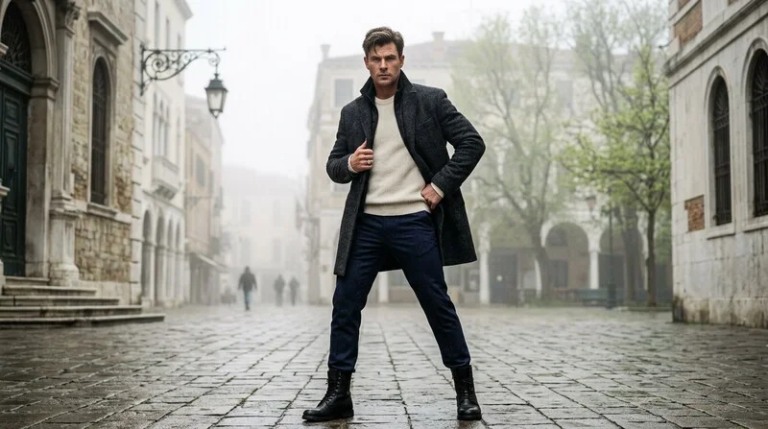
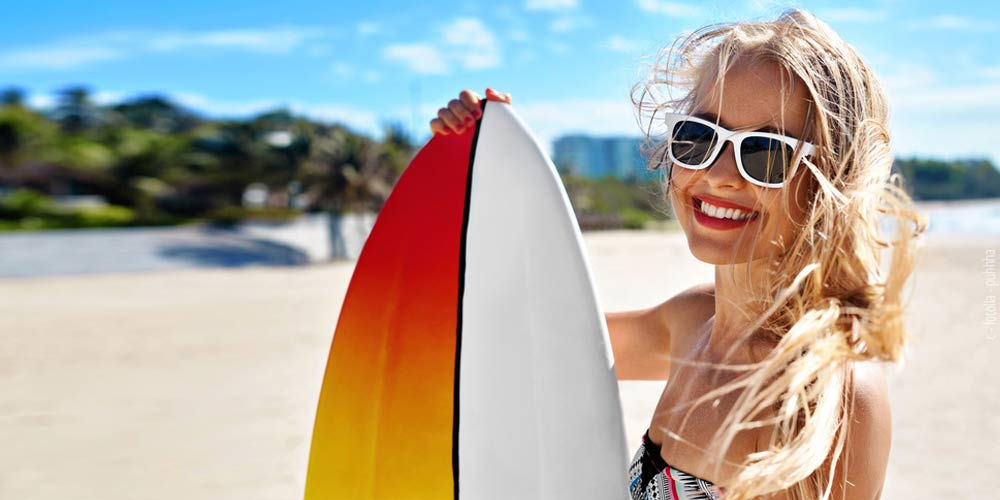
The Outdoor Lifestyle Photography is a young and new subfield of Photography and is becoming increasingly popular. Especially in social media, one can appreciate and admire the results of this new Photography. In Outdoor Lifestyle Photography, the art, among other things, lies in the fact that both the Model or Models and the surroundings are equally clearly visible. The lighting should mainly be soft and as natural as possible. For the separating element between the Model and the background, blur should be responsible. However, work can also be done with shadows.
If you want to bring the Model into the foreground, you will not be able to do without artificial light, because you will not achieve this effect solely through the natural light source. As a photographer, you have no influence on the prevailing condition of the sky, so you must always have the possibility to improvise by adjusting the settings. If the sky is predominantly overcast, the natural contrasts also decrease.
In order for your images not to become too unnatural, the flash light must have a correspondingly soft characteristic. If you are photographing in a predominantly dark winter atmosphere, you will achieve an optimal exposure exclusively by using a smaller aperture. However, you can include the light in the surrounding environment, without paying attention to the flash light, weaker or stronger into the overall exposure due to the shutter speed.
Perfection during the shoot – the correct lighting setup
Zum Formen des Lichts kannst Du unter anderem entweder auf einen Beauty-Dish, einen Schirm oder eine Softbox zurückgreifen. Wenn Du Dich in den kalten Jahreszeiten gerne mit Deinem Team zwischendurch aufwärmen möchtest, dann solltest Du den Schirm auswählen, da dieser am einfachsten zu handhaben ist. Sollten draußen allerdings starke Windgeschwindigkeiten vorherrschen solltest Du abwägen zwischen der Handhabung und der Gefahr, dass Dir der Wind Dein Equipment zerreißt. Wenn Du aber nicht auf den Einsatz eines Schirmes verzichten willst, dann ist Dir zu empfehlen, den Schirm nicht vollkommen ausgefaltet zu verwenden. Lass ihn ein Stück weit eingeklappt. Das führt zwar zu einem härteren Licht, einhergehend mit geringem Lichtverlust, aber das sollte von Dir durchaus in Kauf genommen werden. Wobei ein brechender Schirm oder ein davonfliegender Porty-Kopf nicht zu akzeptieren ist.
Achte trotz alledem bei der Outdoor Lifestyle-Fotografie darauf, dass das Licht nicht zu flach wird. Versuch es anstatt mit frontal von vorne lieber mit von vorne und seitlich. Mit einem Belichtungsmesser kannst Du die optimale Kameraeinstellung ermitteln. Viele Fotografen verwenden bei diesen Begebenheiten Einstellungen mit Iso 100 und Blenden von ca. 2.0 bis 2.8.

Richtige Verschlusszeit für stabile Bilder
Choose the shutter speed so that you can just exclude blur and still get enough ambient light for your shots. If this is not possible, because compared to the ambient light, the flash is too strong, simply reduce the flash or increase the distance to your model if necessary. If you are taking pictures of movement or your model is in motion, let your assistant run alongside with the flash to try to maintain the distance and angle of lighting.
As mentioned earlier, light is an indispensable factor when photographing. Both artificial and natural light will constantly present you with some challenges as a photographer. But with the right knowledge and a bit of experimentation, you will realize that you can outsmart the light and achieve fantastic results. It is simply the game with light.
Basics of Digital Photography
Shutter speed, aperture, ISO. Take your time and learn the basics of digital photography in a video of about 17 minutes. Abbreviations and the individual modules are explained in detail here. Setting nature in the right scene is an art, and everyone should be well prepared for that. Have fun experimenting!
https://www.youtube.com/watch?v=wB4zmLXsZIA&t=2s

Infused Kitchen at FIV: The new cannabis cooking portal
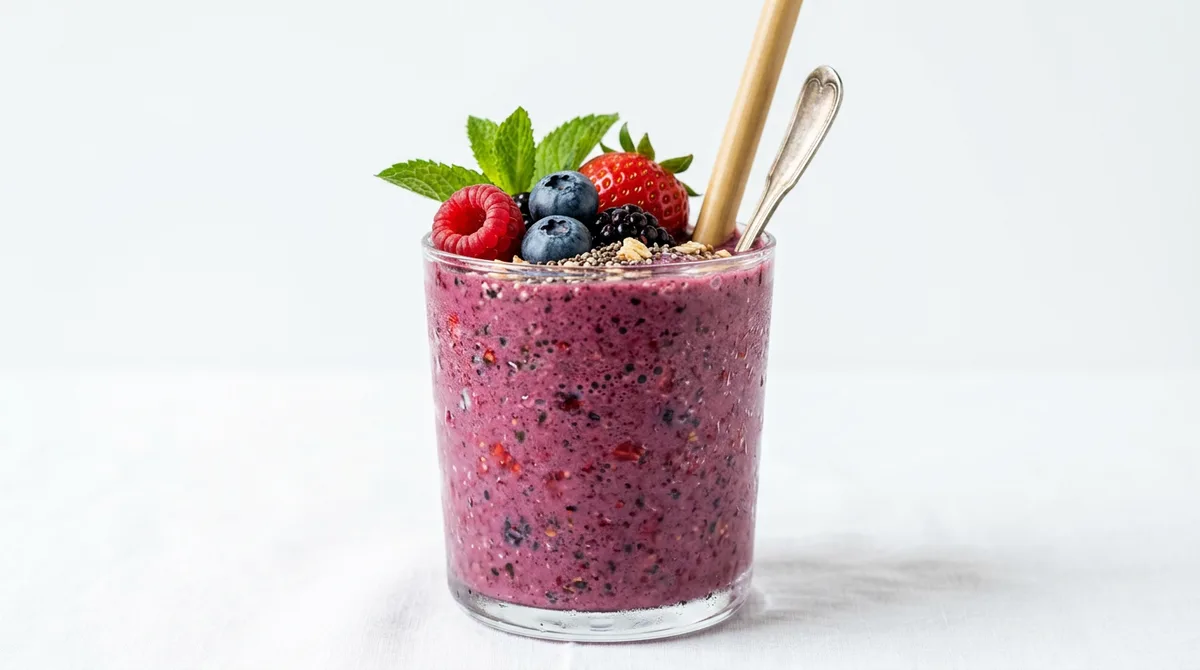
Cannabis Drinks: Smoothies, Tea, Golden Milk & Recipes

Cannabis Grillen: BBQ, Marinaden & Rezepte für den Sommer
Infused Kitchen: Cannabis recipes for baking, cooking, grilling & drinks

Social Media Ads: More Sales Through Targeted Online Marketing
Career start after studies: What recruiters are really looking for