How to furnish your apartment: Living Room Ideas and Inspiration – Furniture, Decoration, Lighting & More.
Properly furnishing an apartment is more craftsmanship than talent. With the right approach — starting with space planning, through furniture selection to lighting — a home is created that not only looks beautiful but also feels truly lived in. This guide gives you everything you need: from current interior styles, must-have furniture, to budget planning.
Current Interior Trends: Styles Defining 2025
Anyone wanting to redecorate their apartment encounters a lively style landscape. The three dominant trends of the year:
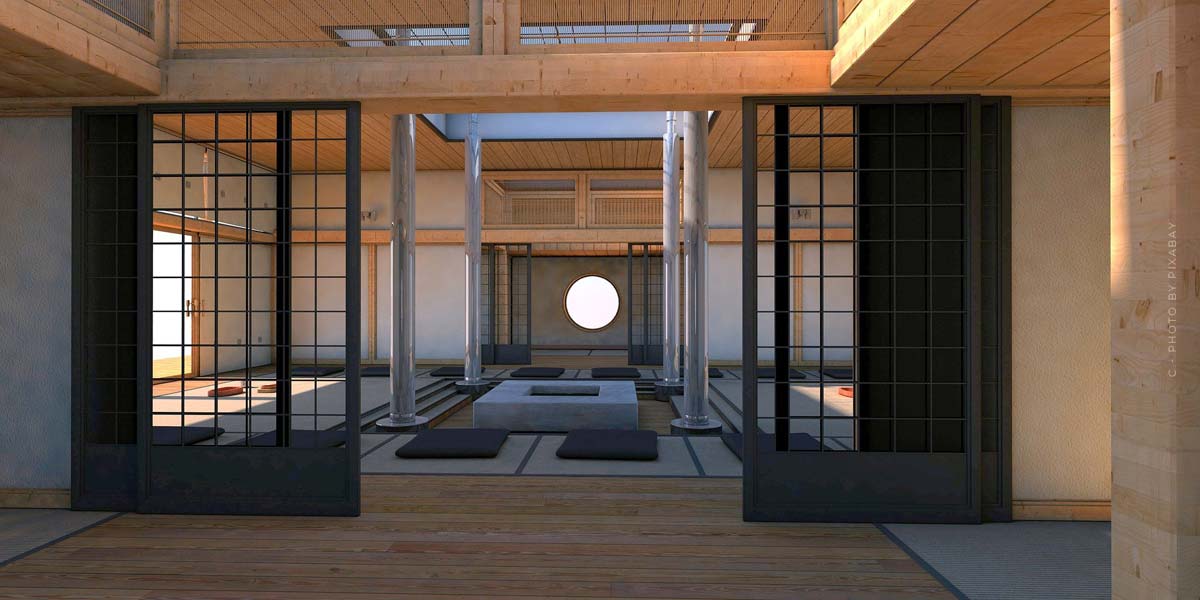
Japandi combines Japanese minimalism with Scandinavian functionality. The result: calm rooms with natural materials, clean lines, and a color palette of earth tones and broken white shades. No frills — but every object has its place and effect.
Wabi-Sabi is the philosophy of beautiful imperfection: handcrafted ceramics, rustic wood, worn textures. This aesthetic stands in direct contrast to the shiny-perfect showroom apartment and creates real warmth.
Maximalism is making a comeback: full walls, pattern mixing, lots of plants, and personal art objects. The difference from chaos: a coherent color thread or material style that holds everything together.
“Spaces should speak of the people who live in them — not of the sofa’s brand.” — Ilse Crawford, interior designer
Comparison of Interior Styles
| Style | Features | Color Palette | For whom |
|---|---|---|---|
| Scandinavian | Light, tidy, wood + white, timeless | White, light grey, beige, light blue | Fans of light and clarity |
| Japandi | Calm, functional, nature, minimal decoration | Sand, taupe, green, black | Minimalism with warmth |
| Industrial | Concrete, metal, loft character, raw | Grey, black, rust red | City dwellers, lovers of old buildings |
| Boho | Textile mix, plants, vintage, ethnic | Ochre, terracotta, olive green | Creative people, travel enthusiasts |
| Classic | Symmetry, wooden furniture, ornaments, warmth | Cream white, burgundy, dark blue | Lovers of durability |
| Maximalist | Bold, colorful, full, personal, expressive | Individual with color thread | Expressive characters |
Must-Have Furniture for Every Room
A well-furnished apartment has a clear furniture concept per room. Here are the most important pieces for each area:
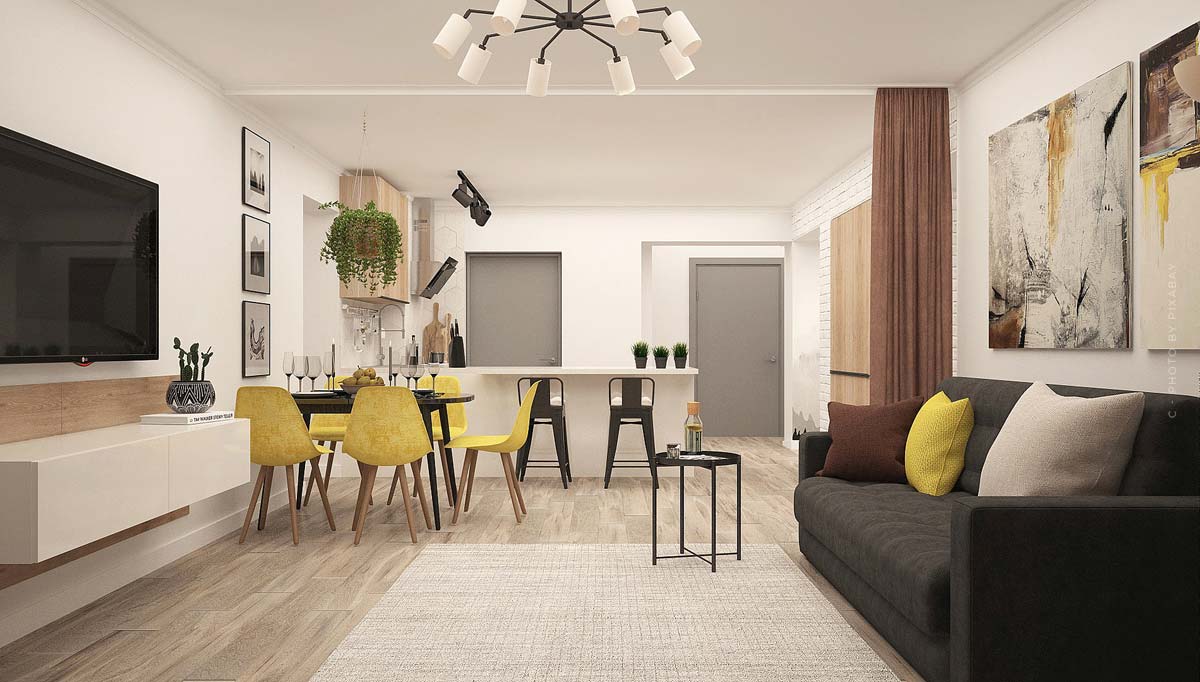
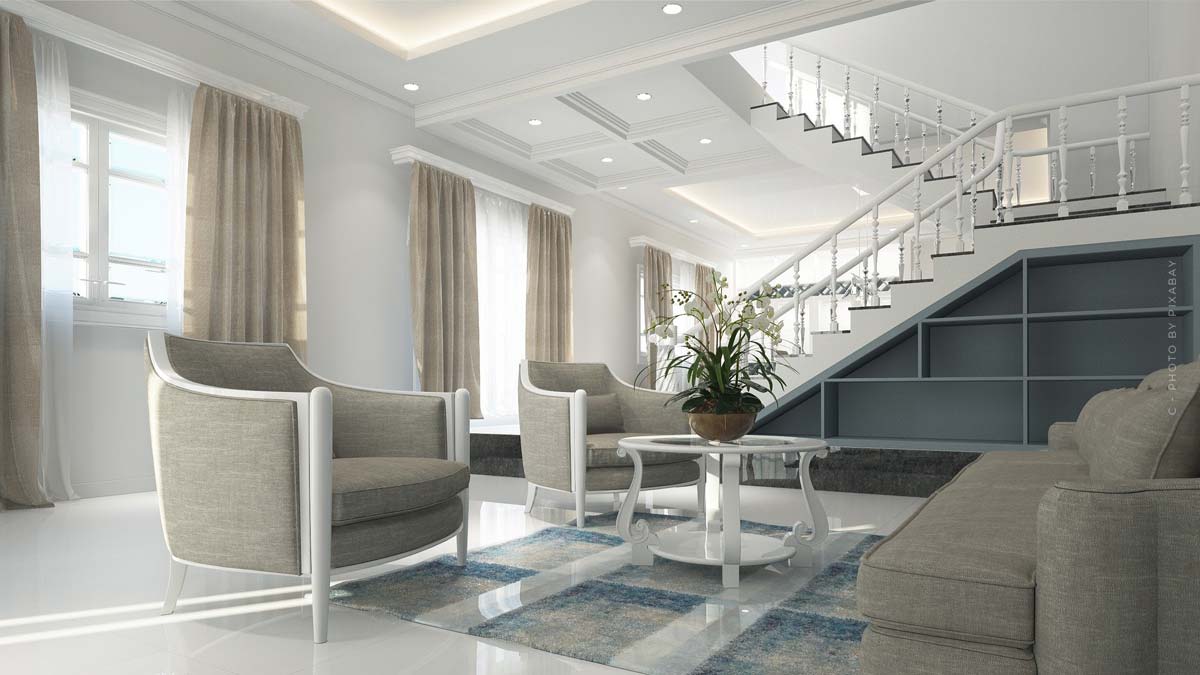
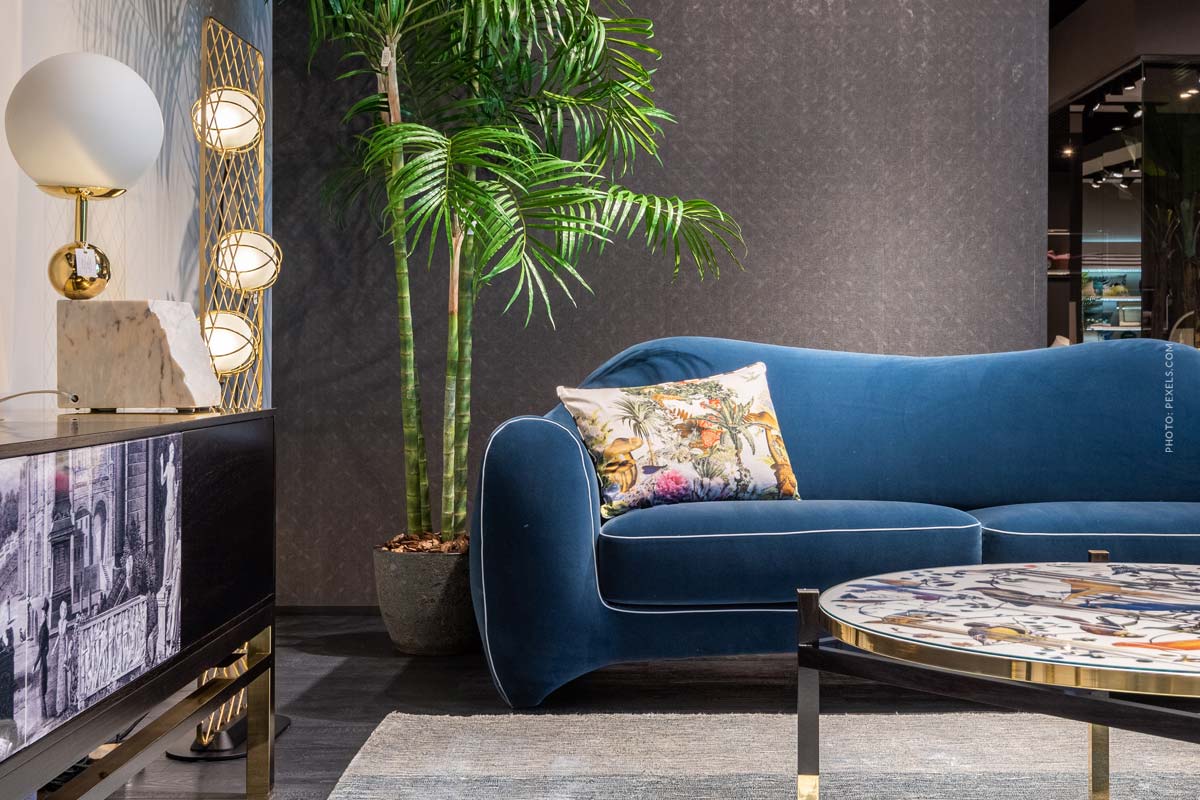
Living Room: Sofa (neutral tone, timeless design), coffee table (matching height 40–45 cm), sideboard or TV furniture, rug (generously sized), a floor lamp or pendant light, at least one plant.
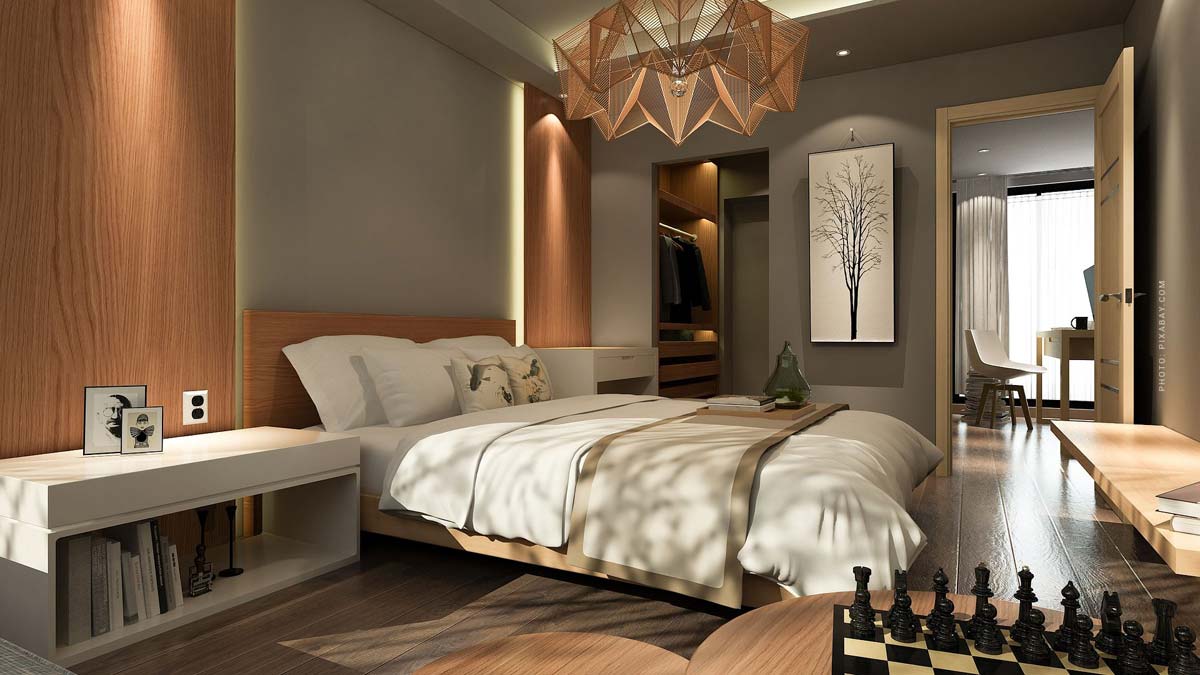
Bedroom: Bed with a good slatted base and mattress (don’t skimp here), nightstands on both sides, sufficient closet space, blackout curtains, dimmable nightstand lamps.
Dining Room: Table of the right size (60 cm per person), chairs with seating comfort, good pendant light above the table (distance of about 75 cm from the table surface).
Home Office: Ergonomic chair (most important investment), height-adjustable desk if possible, good daylight equivalent lighting, cable management from the start.
Stores & Brands for Every Budget
| Segment | Brand / Shop | Strength | Price Range |
|---|---|---|---|
| Entry-level | IKEA | Functional basics, wide range | €–€€ |
| Entry-level | H&M Home, Zara Home | Trendy textiles and accessories | €–€€ |
| Mid-Range | Connox, Connox.de | Curated design furniture range, brands like Hay, Muuto | €€–€€€ |
| Mid-Range | Westwing, Home24 | Sets, fast delivery, many styles | €€–€€€ |
| Premium | HAY, Muuto, Menu | Scandinavian craftsmanship, sustainable | €€€ |
| Luxury | Vitra, Cassina, B&B Italia | Design icons, collector’s items | €€€€ |

Budget Planning: How much does furnishing a complete apartment cost?
Those who plan realistically save themselves from nasty surprises. Here are some orientation values for a 3-bedroom apartment:
| Area | Budget (€) | Mid-Range (€€) | Premium (€€€) |
|---|---|---|---|
| Living Room Complete | 1,500–3,000 | 3,500–7,000 | 8,000–25,000 |
| Bedroom Complete | 800–1,800 | 2,000–5,000 | 5,500–15,000 |
| Kitchen (Interior) | 500–1,200 | 1,500–3,500 | 4,000–12,000 |
| Dining Room | 400–1,000 | 1,200–3,000 | 3,500–10,000 |
| Lighting Total | 300–700 | 800–2,000 | 2,500–8,000 |
| Decor + Plants + Textiles | 300–800 | 900–2,500 | 3,000+ |
| Total (3 Rooms) | 3,800–8,500 | 9,900–23,000 | 26,500+ |
Prioritization Tip: Budget for mattress, sofa and lighting first — this is where you spend the most time. Decor can be purchased gradually.
DIY Tips for More Comfort Without Much Effort
- Use wall color strategically: An accent wall in sage green, dark blue, or terracotta costs under 50 € and changes the entire atmosphere.
- Textilien layern: Mehrere Kissen in unterschiedlichen Texturen (Velvet, Leinen, Strick) auf dem Sofa wirken wie professionelles Styling.
- Mirror as a space enhancer: A large wall mirror opposite the window reflects light and makes small rooms appear twice as large.
- Choose long curtains: Always hang curtains from the floor to the ceiling — this makes rooms appear taller.
- Designing a plant corner: 3–5 plants of different heights in a corner create a natural, lively area.
- Upgrade your cable management: Bamboo or metal cable boxes for router/charging cables — instantly neater.
- Use books decoratively: Books sorted by color or size on shelves look like art objects.
- Choose scents consciously: A consistent room fragrance (reed diffuser or candle) makes living spaces more inviting and subtly affects well-being.
The Most Common Interior Design Mistakes
- Too little light: Only one ceiling light is never enough. At least three light sources per room at different heights.
- Furniture too close to walls: Placing furniture in the center of the room creates more depth and intimacy than furniture directly against the wall.
- Too small a rug: All front legs of the sofa must be on the rug — at least 160×230 cm for a normal living room.
- Too many small decorative objects: Five consciously chosen objects look better than 20 randomly placed small items.
- Short curtains: Short curtains make rooms look smaller. Always hang them to the floor.
- No green plants: Rooms without plants feel cooler and less lively — even a single large plant makes a difference.
- Overlooked color: Those who decorate exclusively in gray and white risk a cold room. Warmth comes through earth tones in cushions, rugs, or walls.
Frequently Asked Questions: How to Furnish an Apartment Correctly
How do I start furnishing?
Start with a floor plan and determine the placement of the most important furniture pieces (sofa position, bed position). Then light and color. Decoration comes last. This process prevents expensive mistakes.
Which colors are suitable for small rooms?
Light colors (white, light gray, cream white) make rooms appear larger. Bold dark colors on a single accent wall create depth without making the room feel smaller.
How many pieces of furniture do I need in the living room?
A sofa, a coffee table, a sideboard or shelf, a floor lamp and a rug form the basic framework. More objects create atmosphere, but can also overwhelm the space. Quality over quantity.
How much does furnishing an apartment for beginners cost?
With around 4,000–8,000 €, you can completely and stylishly furnish a two-bedroom apartment in the budget to mid-range segment. The most important item is the mattress, followed by the sofa.
How do I plan lighting correctly?
At least three levels of lighting per room: general lighting (ceiling), task/reading light (floor or desk lamp), accent lighting (indirect light, wall washers). Warm white (2,700 K) for living and sleeping areas, cooler for work areas.
Mehr zum Thema: Wohnzimmer modern einrichten — Ideen und Tipps | Designmöbel online kaufen: Connox und die besten Marken | Etagenwohnung kaufen oder mieten | Terrassenwohnung: Vorteile, Nachteile und Kosten

Infused Kitchen at FIV: The new cannabis cooking portal

Cannabis Drinks: Smoothies, Tea, Golden Milk & Recipes

Cannabis Grillen: BBQ, Marinaden & Rezepte für den Sommer
Infused Kitchen: Cannabis recipes for baking, cooking, grilling & drinks

Social Media Ads: More Sales Through Targeted Online Marketing
Career start after studies: What recruiters are really looking for