Cannabis and Sexuality: Libido, Erectile Dysfunction and CBD
Cannabis and sex have a long cultural history — and a complex pharmacological one. In low doses, many users report enhanced perception, increased libido, and deeper orgasms. In high doses or with regular use, the opposite occurs: erectile dysfunction, loss of libido, anorgasmia. The key lies in the biphasic dose-effect curve of the endocannabinoid system and its deep integration into sexual physiology.
ECS and sexual function: CB1 and CB2 in the reproductive system
The endocannabinoid system is integrated into sexual function on multiple levels:
- CB1 in the limbic system: CB1 receptors in the nucleus accumbens, amygdala, and hypothalamus regulate desire, motivation, and emotional perception — the subjective basis of sexual arousal. Endocannabinoids modulate dopamine and oxytocin release here
- CB1 on genital tissue: CB1 receptors have been detected on smooth muscle cells of the erectile corpus cavernosum, on vaginal tissue, and on clitoral tissue. Local endocannabinoid signaling pathways influence genital vascular responses
- CB2 and inflammation in the genital area: CB2 on immune cells in the genital system — anti-inflammatory, relevant for inflammatory pain during sex (dyspareunia, vulvodynia)
- Anandamide and sexual desire: Anandamide levels correlate with sexual desire and arousal state. The body’s own “bliss molecule” effect is indeed part of the natural sexual arousal cascade
- Testosterone and ECS: THC inhibits the release of LH from the pituitary gland → reduced testosterone production in men with regular use. Testosterone is the most important libido factor for both genders
THC and Libido: The biphasic curve
The most commonly reported experience — “Cannabis makes you hornier” — is both dose-dependent correct and incorrect at the same time:
- Low doses (2.5–5 mg THC): Libido booster: Low-dose THC lowers inhibitions via CB1 in the amygdala (reduced fear of intimacy), increases tactile perception (TRPV1 sensitization of the skin), enhances dopamine release in the nucleus accumbens. Many users report prolonged subjective perception of touch and orgasm.
- High doses (over 15–20 mg THC): Libido suppression: Excessive CB1 activation in the prefrontal cortex → dissociation, derealization → reduced presence during sex. THC-induced anxiety and paranoia (especially with high-dose consumption of sativa-dominant strains) actively block arousal. Too much THC produces the opposite effect.
- Sun et al. 2017 (Journal of Sexual Medicine): Cross-sectional study with 50,000 US adults (NSFG data). Cannabis users reported higher sexual frequency than non-users (7.1 vs. 6.0 times/4 weeks for women, 6.9 vs. 5.6 for men). Association — no proof of causality, but statistically robust after adjustment
- Terpenes as Modulators: Linalool (calming, anxiolytic) can enhance the anxiolytic component. Limonene (uplifting, mood-enhancing) promotes stimulation without sedation. Myrcene in very high amounts can lead to sedating “Couch-Lock” effects — counterproductive
Cannabis and Erectile Dysfunction
Erectile dysfunction (ED) among cannabis users is biologically plausible and epidemiologically documented:
- Acute vascular effect: THC activates CB1 on cavernous smooth muscle cells → inhibition of NO synthetase (eNOS) → reduced nitric oxide production → less vasodilation → poorer erection. NO is the most important mediator of penile vasodilation
- Pizzol et al. 2019 (International Journal of Environmental Research and Public Health): Systematic review with 8 studies: cannabis use significantly associated with increased ED prevalence. OR 1.69 — sustained effect even after adjustment for age, diabetes, smoking
- Chronic use and testosterone: Regular THC consumption lowers LH and thus testosterone (proven in several studies). Testosterone decline → ED, reduced libido, erectile dysfunction. Effect reversible after abstinence
- PDE5 inhibitors (Viagra, Cialis) and cannabis: Combination potentially problematic. Both substances vasodilating — additive blood pressure reduction possible. Alarming: cavernous body blood pressure must be built up for erection — hypotension through combination can have the opposite effect
- T-break as a test: Disappearance of ED symptoms after tolerance break (4 weeks) indicates cannabis causality. In persistent ED: urological evaluation
Cannabis in women: arousal and orgasm
Female sexual physiology reacts to cannabis differently than male:
- Lynn et al. 2019 (Sexual Medicine Reviews): Comprehensive review on female sexual function under cannabis. 68.5% of women reported enhanced sexual satisfaction under cannabis, 60.6% increased libido, 52.8% more intense orgasms. At the same time, 16% experienced reduced orgasms — highly variable on an individual level
- Pain during sex (Dyspareunia): Cannabis — particularly CBD — has been proven to reduce sexual pain. Local CBD application (lubricants, suppositories) is increasingly used by women with vulvodynia and endometriosis. Mechanism: CB2 on local immune cells and TRPV1 desensitization
- Vaginal bleeding: Cannabis can improve genital blood flow and arousal response in women — in line with the vasodilation effect at low to moderate dosages. Some studies show increased genital sensitivity
- Anxiety and inhibition: The anxiolytic effect of low-dose cannabis is particularly relevant for women with inhibitions or pain expectations — reduced amygdala activation lowers defensive arousal blocks
CBD and Sexuality
- CBD without direct libido effects: CBD has no direct aphrodisiac effect — no CB1 activation, no dopamine stimulation. Indirect effects: anxiety reduction (5-HT1A), improved sleep, pain reduction in dyspareunia
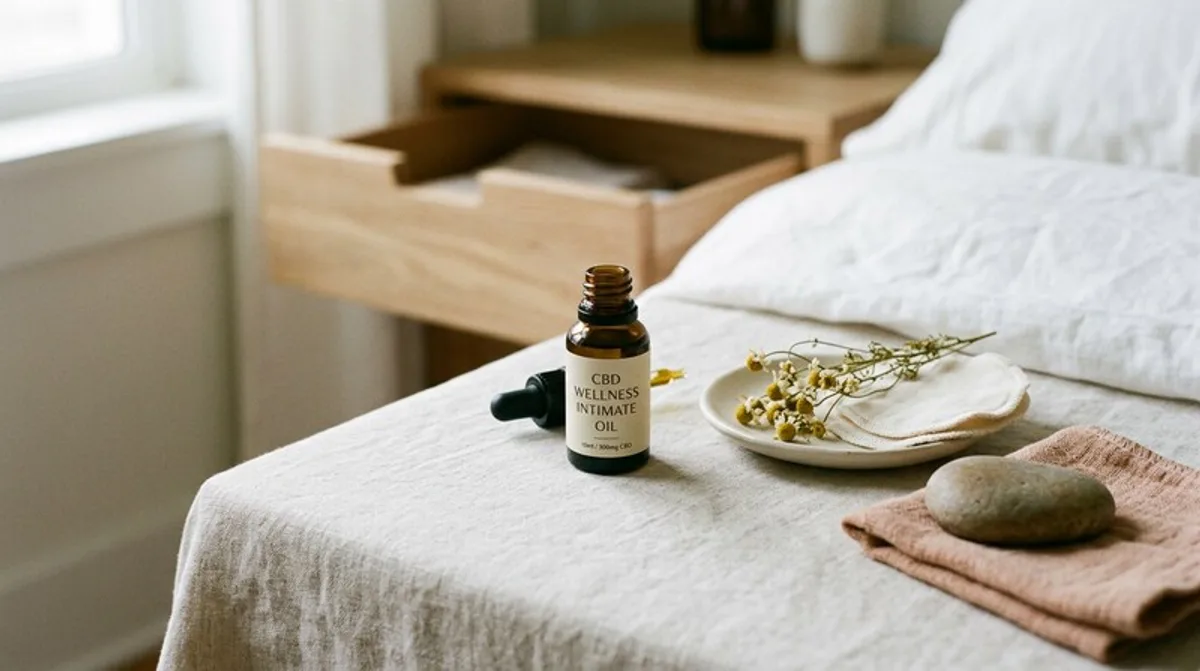
- Topical CBD products: CBD lubricants and suppositories are increasingly marketed. Scientific evidence for topical CBD effects on sexual function is limited — but locally anti-inflammatory and possibly TRPV1-desensitizing. Pain reduction in dyspareunia seems plausible
- CBD and testosterone: Unlike THC, CBD does not inhibit LH secretion to the same extent. No testosterone-lowering effect has been demonstrated with typical CBD doses — a more favorable profile for long-term sexual health
Risks and what really matters
- Dosage decides everything: Cannabis and sexuality is a prime example of biphasic dose-effect. The most favorable sexual effects are consistently reported at low to moderate doses, while unwanted effects occur at high doses. Beginners: 2.5 mg THC or less. Experienced users: know your personal threshold
- Consent and Cannabis: Cannabis can impair perception and judgment. Explicit consent before and not during the effects of cannabis is important — especially at higher doses
- Chronic use and libido chronification: Regular daily THC consumption leads to a lasting reduction in libido through testosterone decline and CB1 downregulation — despite an initial increase in libido. A T-break is also relevant for sexual health
- Contraindication when trying to conceive: Similar to pregnancy, cannabinoids affect sperm quality (THC: reduced motility, DNA fragmentation) and female hormone status. Discontinue cannabis before planned conception
Cannabis and menstruation — dyspareunia, endometriosis and pain management:
Frequently asked questions about cannabis and sexuality

Infused Kitchen at FIV: The new cannabis cooking portal
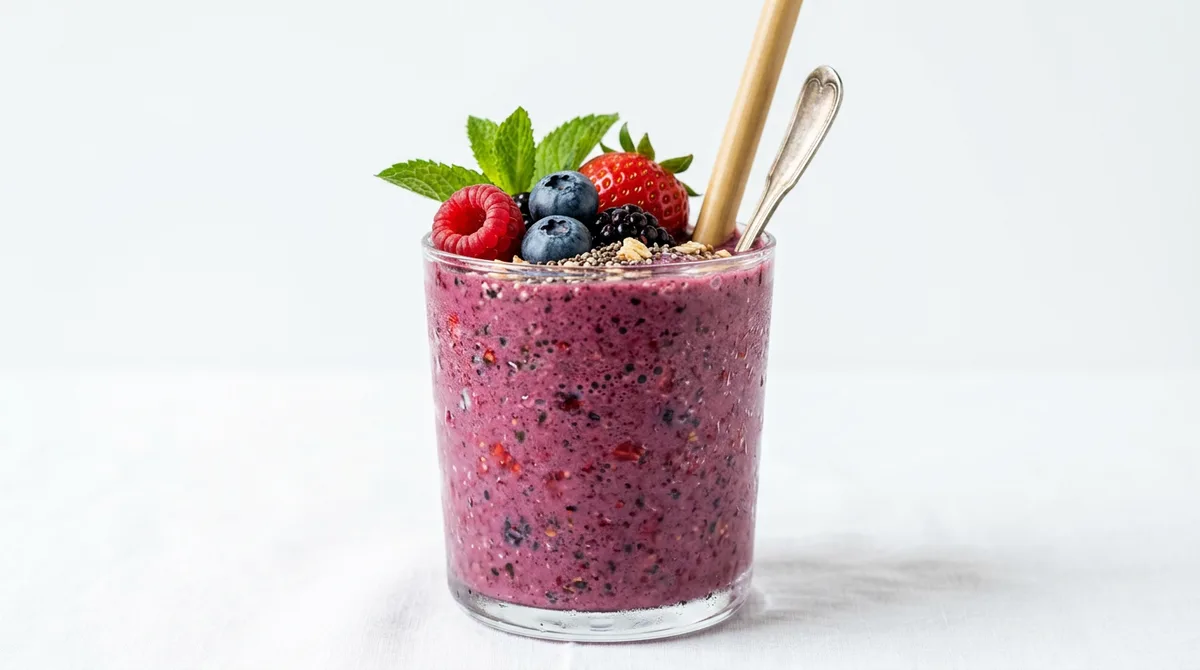
Cannabis Drinks: Smoothies, Tea, Golden Milk & Recipes
Cannabis Grillen: BBQ, Marinaden & Rezepte für den Sommer
Infused Kitchen: Cannabis recipes for baking, cooking, grilling & drinks

Social Media Ads: More Sales Through Targeted Online Marketing

Career start after studies: What recruiters are really looking for