
Cannabis for epilepsy: CBD, Epidiolex, and Dravet syndrome
CBD is the only cannabinoid for which a pharmaceutical preparation is officially approved in Europe and the USA — as an antiepileptic. Epidiolex (CBD pure substance, 100 mg/ml oral) has been approved in the EU since 2019 for two rare, difficult-to-treat epilepsy forms. What this means for all other epilepsy patients, how CBD reduces seizures, and why THC presents a different picture in epilepsy.
Epidiolex: The first approved cannabis-based medicine
The path from cannabis to an officially approved antiepileptic took decades:
- What is Epidiolex? Highly purified CBD oil (99% CBD, 100 mg/ml), taken orally. Manufactured by GW Pharmaceuticals (now Jazz Pharmaceuticals) from cannabis plant material through CO2 extraction and purification. No THC, no terpenes — a pharmaceutically defined isolate
- EU Approval 2019: The European Commission granted approval for two indications: Dravet syndrome (DS) and Lennox-Gastaut syndrome (LGS) in patients aged 2 years and older — each in combination with clobazam
- Historical background: The case of Charlotte Figi (Colorado, 2013) made CBD as an antiepileptic known worldwide: The girl with Dravet syndrome showed a dramatic reduction in seizures from about 300 to less than 5 per month under a high-CBD extract. These anecdotes drove clinical research
- In Germany: Epidiolex is covered by the statutory health insurance for the approved indications. Prescribed by neurologists or pediatric neurologists. Full reimbursement for approved indications
How CBD reduces seizures: Multi-mechanism
CBD acts antiepileptically through several parallel mechanisms — no single receptor explains the full effect:
- GPR55 Blockade: GPR55 is an orphan receptor that promotes calcium release in neurons and contributes to neuronal hyperexcitability. CBD blocks GPR55 — dampens excitatory calcium signaling pathways that contribute to seizure generation
- TRPV1 Desensitization: CBD activates and desensitizes TRPV1 channels in neurons. TRPV1 overstimulation can increase neuronal excitability — desensitization by CBD has a dampening effect
- Sodium channel modulation: CBD inhibits voltage-gated sodium channels (Nav1.1, Nav1.2, Nav1.6) — the classic mechanism of many conventional antiepileptics (lamotrigine, carbamazepine). In Dravet syndrome, Nav1.1 mutations are causal — CBD’s action on other Nav subtypes is compensatory
- Adenosine reuptake inhibition: CBD inhibits the adenosine transporter, increased extracellular adenosine levels activate adenosine A1 receptors and inhibit neuronal activity. Adenosine is an endogenous anticonvulsant modulator
- GABA-A potentiation (indirectly): Through increased anandamide levels (FAAH inhibition) and interaction with GABA-A receptors — additive inhibitory effect on neuronal networks
Dravet syndrome: What the approval studies show
Dravet syndrome is a rare, genetically caused epilepsy encephalopathy — ideal for phase-3 studies due to clear diagnosis and measurable endpoints:
- Devinsky et al. 2017 (New England Journal of Medicine): The approval study. N=120 patients with Dravet syndrome (median age 9.8 years). CBD (20 mg/kg/day) vs. placebo, 14 weeks. Result: Median reduction in convulsive seizures by 38.9% under CBD vs. 13.3% under placebo (p=0.01). 5% became seizure-free (vs. 0% placebo)
- Responder rate: 43% of CBD patients had at least a 50% reduction in seizures vs. 27% placebo — statistically and clinically significant in this otherwise treatment-resistant disease
- Adverse effects: Somnolence (36%), diarrhea (31%), decreased appetite (28%), elevated liver values (ALT/AST) — the latter particularly with concurrent valproate use. Regular monitoring of liver values is necessary
- Lennox-Gastaut (Thiele et al. 2018, Lancet): CBD reduced drop seizures (atonic/tonic seizures with fall risk) by 41.9% vs. 17.2% placebo (p=0.0047). LGS patients are often adults with complex polypharmacy
THC in epilepsy: A different picture
THC and CBD behave pharmacologically oppositely in epilepsy:
- THC can have proconvulsant effects: THC activates CB1 on glutamate-releasing neurons in the hippocampus — can increase excitatory transmission and promote convulsive activity in high doses. Case reports of cannabis-induced seizures exist, predominantly with highly potent THC and individual predisposition
- Biphasic dose effects: Low THC doses can have anticonvulsant effects (CB1 activation inhibits GABA interneurons), high doses can have the opposite effect. The therapeutic window is narrow and highly variable on an individual level
- THC in known epilepsy: Caution is advised with THC-containing products in epilepsy patients. CBD-dominant or CBD-only preparations are the safer choice. Unpredictable seizure increases due to THC are a real risk
- THCV anticonvulsant: THCV (CB1 antagonist at low doses) shows anticonvulsant properties in animal models without the proconvulsant risks of THC. The research field is still in its early stages
Off-label and other epilepsy forms
- Tuberous Sclerosis (TSC): Devinsky et al. 2021 (Lancet Neurology) — CBD (Epidiolex) significantly reduced seizure frequency in TSC. EU approval expansion for TSC occurred in 2021
- CDKL5 Deficiency Disorder: Smaller studies show effectiveness, no RCT evidence. Compassionate-use programs at specialized epilepsy centers
- Other treatment-resistant epilepsies: CBD off-label for Rett syndrome, FIRES, Sturge-Weber. Always with specialized epilepsy centers — not suitable for general practice use
- Adult epilepsy patients: For treatment-resistant focal epilepsy: individual trial with CBD possible (§31 SGB V). No GKV approval except for the three approved indications — application with clear justification of treatment resistance by neurologists
Interactions: Clobazam is critical
- Clobazam + CBD: CBD inhibits CYP2C19 — the metabolic pathway of N-desmethylclobazam (active metabolite of clobazam). N-desmethylclobazam increases up to 3-5 times, leading to enhanced sedation and ataxia. Clobazam dose must be reduced when starting CBD — Epidiolex’s product information explicitly states this
- Valproate + CBD = liver value risk: Combination significantly increases transaminases. Regular ALT/AST monitoring every 4 weeks during the first 6 months is necessary
- Stiripentol (Dravet): Frequently used in Dravet — interaction with CBD via CYP2C19 possible. Blood level measurements are necessary
- Generally: CBD inhibits CYP2C9, CYP2C19, and CYP3A4 — many antiepileptic drugs are metabolized via these enzymes. No CBD introduction in epilepsy without therapeutic drug monitoring (TDM). More information: Cannabis and interactions
Prescribed cannabis and GKV reimbursement for neurological conditions: Prescribed cannabis. Cannabis for other neurological conditions — Parkinson’s and tremor: Cannabis for Parkinson’s. Interactions of CBD with antiepileptics and other medications: Cannabis and interactions.
Frequently asked questions about cannabis and epilepsy

Infused Kitchen at FIV: The new cannabis cooking portal

Cannabis Drinks: Smoothies, Tea, Golden Milk & Recipes
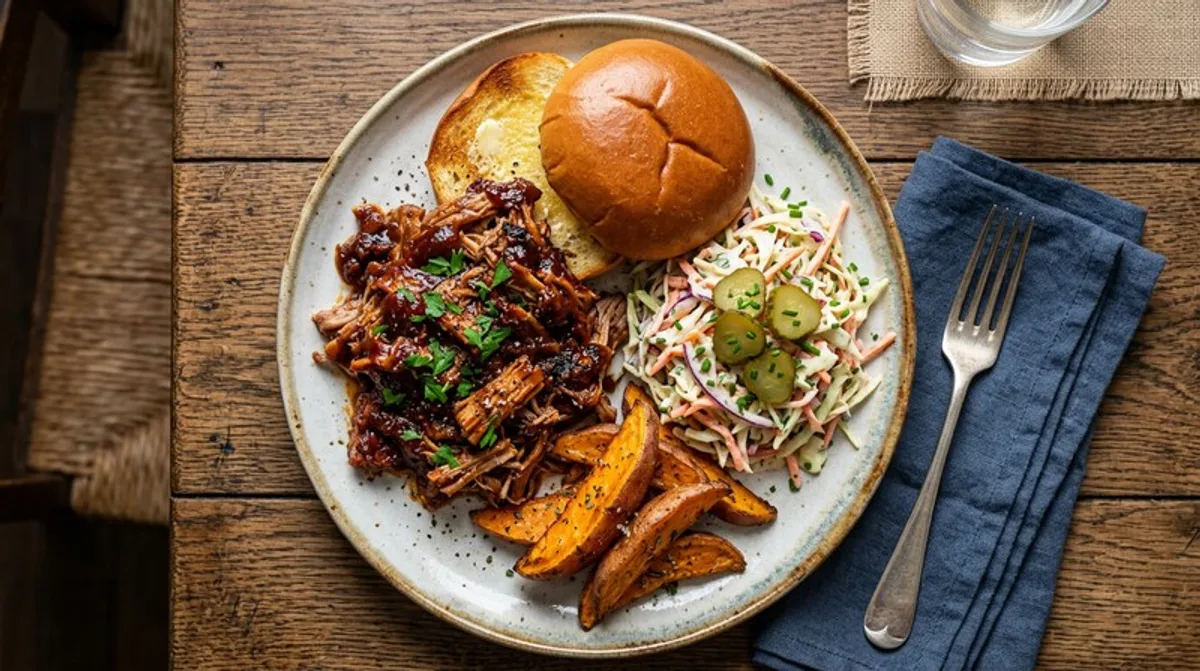
Cannabis Grillen: BBQ, Marinaden & Rezepte für den Sommer
Infused Kitchen: Cannabis recipes for baking, cooking, grilling & drinks

Social Media Ads: More Sales Through Targeted Online Marketing

Career start after studies: What recruiters are really looking for