
Cannabis for chronic pain: effects and research status
Chronic pain is the most common indication for medical cannabis in Germany. But how exactly does cannabis work for pain, which types of pain respond best, and what does the research say? An overview of the evidence and current state of research.
How Cannabis Affects Pain: Mechanisms
The endocannabinoid system (ECS) is directly involved in pain processing. CB1 and CB2 receptors are found in all relevant pain structures:
- Peripheral nerve fibers (nociceptors): THC activation of CB1 reduces the sensitivity of pain receptors (antinociceptive effect)
- Spinal cord (dorsal horn): ECS modulates pain transmission — THC inhibits synaptic transmission in the spinal pain system
- Thalamus and cortex: THC changes the emotional evaluation of pain (pain tolerance increases, subjective pain experience changes)
- CB2 receptors in the immune system: Anti-inflammatory effect through CB2 activation — relevant for inflammatory pain syndromes
Cannabis therefore has a dual mechanism of action: direct pain relief (via CB1) and anti-inflammatory effects (via CB2).
Neuropathic Pain: The Strongest Evidence
For neuropathic pain (nerve pain), the evidence for cannabis is the strongest:
- Pain from diabetic polyneuropathy, HIV neuropathy, multiple sclerosis, phantom pain
- Systematic reviews (Aviram & Samuelly-Leichtag, 2017; Whiting et al., 2015): Moderate evidence for reduction of neuropathic pain intensity
- Number Needed to Treat (NNT): approximately 5–7 (comparable to pregabalin for neuropathy)
- Particularly effective: inhalation for rapid action during acute pain peaks; oil/capsules for long-term therapy
Multiple Sclerosis and Spasticity
The best documented medical use of cannabis medications concerns MS spasticity:
- Sativex (THC + CBD, oral spray) is approved in Germany for MS spasticity — one of the few real approvals for a cannabinoid medication
- Clinical studies: significant reduction of spasticity scores (Ashworth Scale) and sleep quality
- Cannabis is also effective against bladder control problems and neuropathic pain in MS
Fibromyalgia: Promising Signals
Fibromyalgia (chronic diffuse pain, fatigue, sleep disturbances) is considered difficult to treat — cannabis shows interesting effects:
- Retrospective studies show significant pain reduction in 30–40% of fibromyalgia patients under cannabis
- Mechanism: Centralized pain sensitization (central sensitization) is influenced by CB1 modulation
- Improved sleep under cannabis also helps the pain symptoms (fibromyalgia and sleep are strongly linked)
- Evidence level: still low (no large RCTs), but practical experiences are positive


Migraine and Headaches
Cannabis for migraine is an emerging field of research:
- Retrospective studies (Rhyne et al., 2016): migraine frequency decreased from 10.4 to 4.6 attacks per month in cannabis patients
- Mechanism: THC inhibits the release of CGRP (Calcitonin Gene-Related Peptide) — a central mediator of migraine attacks
- Inhalation can abort acute migraine attacks — similar to triptans, but with different risks
- Caution: Cannabis can itself trigger rebound headaches (medication overuse headache) with daily use
Cancer Pain and Palliative Medicine
In palliative care, cannabis plays an established role:
- Complementary to opioid therapy: cannabis can reduce opioid dosage (opioid-sparing effect)
- Dronabinol and Nabilone: approved as adjuncts for chemotherapy-induced nausea and cancer pain
- Further effects in palliative medicine: appetite stimulation, anxiety reduction, improved sleep
What speaks against cannabis for pain?
Cannabis is not suitable for all pain patients. Limitations:
- Acute (non-chronic) pain responds worse than chronically centrally sensitized pain
- Back pain: evidence is weaker than for neuropathic pain
- Tolerance development: the pain-relieving effect may diminish with prolonged use
- Contraindications: history of psychosis, severe heart disease, pregnancy
- Interactions: cannabis interacts with opioid metabolism (CYP enzymes) — discuss dosage information with your doctor
Getting medical cannabis by prescription: Medical cannabis on prescription in Germany. Interactions with pain medications and other drugs: Cannabis interactions. The ECS and pain processing explained: Cannabis effects and ECS.
The pain-relieving mechanism is directly linked to immune modulation: Cannabis and the immune system: CB2 receptors and inflammation — CB2 receptors, cytokine suppression, and why cannabis works for inflammatory pain.
In multiple sclerosis, spasticity and neuropathic pain combine — both approved cannabis indications: Cannabis in multiple sclerosis: Sativex, spasticity, and evidence — Sativex approval, clinical studies, and statutory health insurance reimbursement for MS patients.
Fibromyalgia as a specific pain syndrome: Cannabis in fibromyalgia.
Cannabis and sports — CBD for athletes, WADA regulations, and recovery: Cannabis and sports.
Cannabis in neuropathy — specific evidence for neuropathic pain, CB1/TRPV1, and opioid sparing: Cannabis in neuropathy.
Common questions about cannabis for pain

Infused Kitchen at FIV: The new cannabis cooking portal
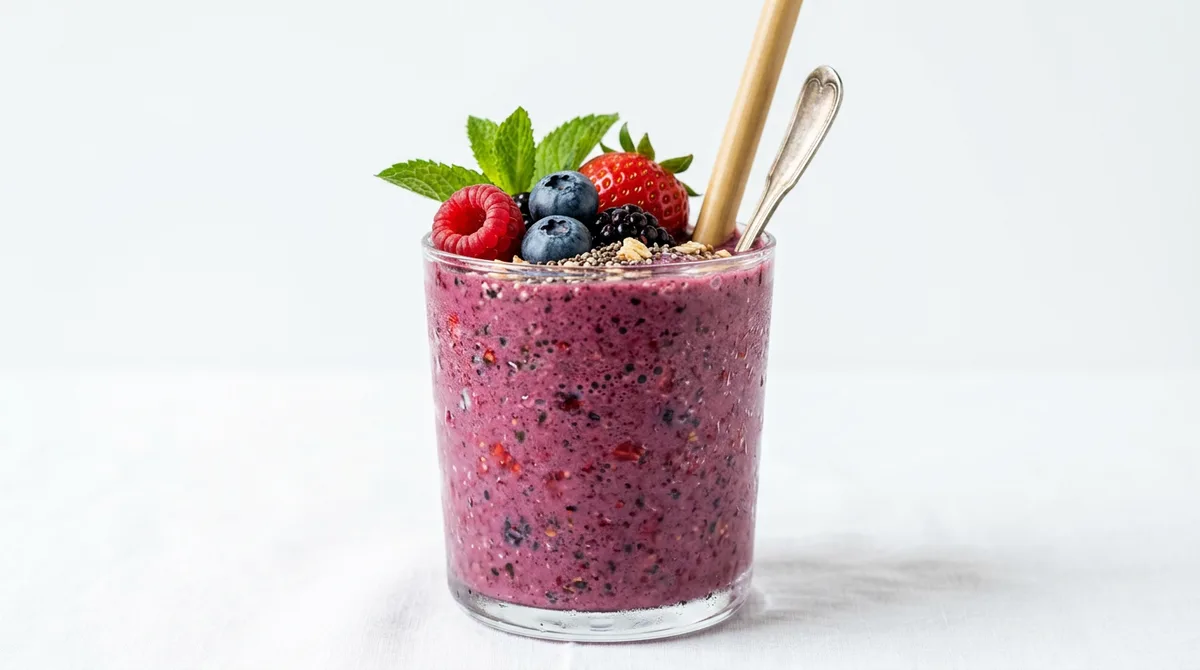
Cannabis Drinks: Smoothies, Tea, Golden Milk & Recipes
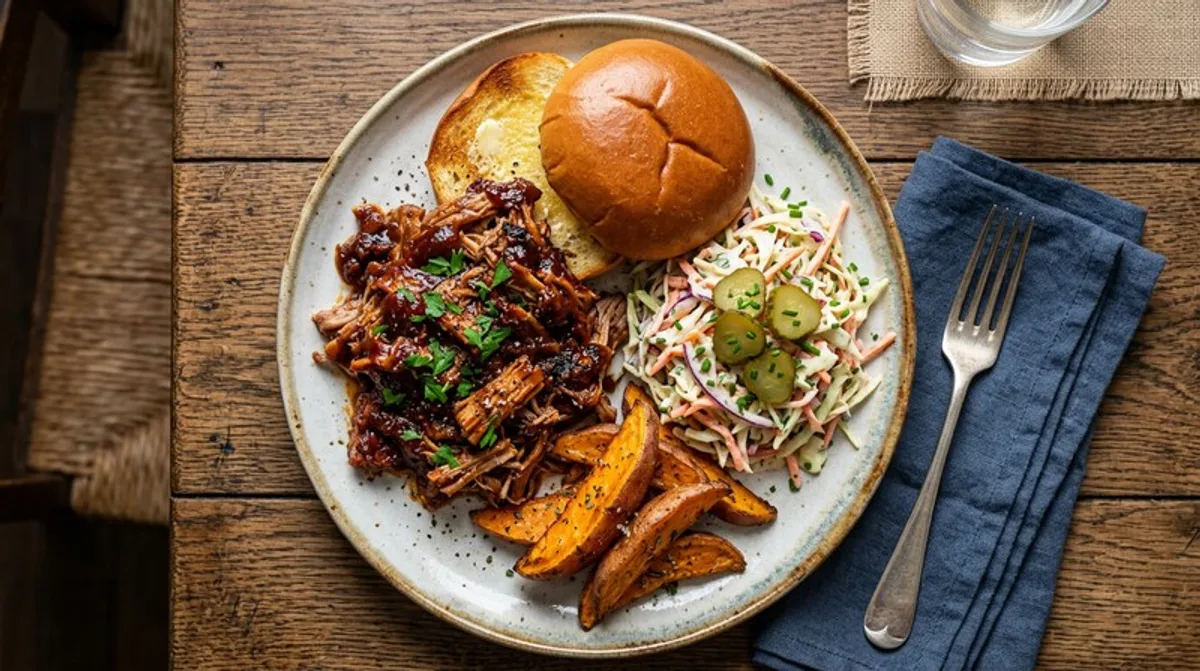
Cannabis Grillen: BBQ, Marinaden & Rezepte für den Sommer
Infused Kitchen: Cannabis recipes for baking, cooking, grilling & drinks

Social Media Ads: More Sales Through Targeted Online Marketing

Career start after studies: What recruiters are really looking for