Polo Sport: The Luxury Sport of Kings — Rules, Equipment & Tournaments
Polo is considered one of the oldest team sports in the world and has been closely associated with the rich and powerful for centuries. “The Sport of Kings” — this title is not exaggerated: being a polo professional costs slightly half a million euros per season, and even ambitious newcomers must expect significant investments. What makes polo so fascinating and why it fully deserves its reputation as a royal discipline, you will learn here.
History: From Persian military training to world-class sport
Polo is over 2,500 years old. Originally developed on the Iranian plateau as a training exercise for cavalry, it spread across Central Asia to India. British colonial officers discovered the sport in Manipur (northeast India) in the 19th century, brought it to England and from there to the whole world. The first British polo club was founded in 1869. In Germany, the Polo Club Bad Homburg, founded in 1898, is the oldest still active polo club.
Rules: How polo works
Polo is played on the largest playing field of all team sports: 270 m × 180 m — that’s about nine football fields. The most important rules:
- Teams: 4 players per team
- Game time: 4 to 8 chukkers (game segments) of 7 minutes each
- Goal: 7.3 m wide goal opening at each end of the field
- Ball: Hard plastic, diameter 8.5 cm
- Mallet: Wooden mallet with a bamboo shaft, wooden head, length depending on the horse’s size
- Handicap system: -2 to +10 goals — the best players in the world have +10
The Polo Horse: Key to the Game
A polo horse (officially called a “polo pony”) is not an ordinary riding horse. It must stop, turn, and accelerate quickly — in a match, a player often uses four to eight different horses because no horse can withstand the intensity of an entire game. The most popular breeds:
- Argentine Criollo × Thoroughbred cross: The global standard, agile, maneuverable, and durable
- Thoroughbred (English Thoroughbred): For speed, nowadays mainly used as a crossbreed partner
A good polo pony costs between 15,000 and 80,000 euros. A professional player needs 6 to 16 horses for a season.
Major Polo Tournaments Worldwide
- Guards Polo Club (Windsor, UK): The most famous polo tournament in Europe, located right next to Windsor Castle
- Argentine Open (Palermo, Buenos Aires): The most important tournament in the world, considered the “Wimbledon of Polo”
- Sotogrande International Tournament (Spain): European elite, international atmosphere
- Palm Beach International Polo Championship (Florida): Top event in the United States
- German Championship: Held at venues in Bad Homburg, Hamburg, and Berlin

How Much Does Polo Cost? Realistic Budgets
- Taster session / Polo Lesson: 100 – 250 euros (on school horses)
- Beginner (own equipment, no own horses): 3,000 – 8,000 euros per season
- Ambitious amateur player (own horses, 1–2): 30,000 – 80,000 Euro/season
- Handicap player (multiple horses, trainer, tournaments): 100,000 – 300,000 Euro/season
- Professional player (+6 to +10 handicap, professional team): 500,000 – 2,000,000 Euro/season
Polo in Germany: Growth of a Niche
In Germany there are around 40 polo clubs with several thousand active players in total. Polo is not a mass sport here, but a growing scene: Entrepreneurs, bankers and artists appreciate the social environment as much as the sport itself. Events such as the Polo Masters Hamburg and the Berlin Polo Open give spectators a glimpse into this exclusive world.
Frequently Asked Questions about Polo
- Can you play polo without your own horses? Yes — many clubs offer school horses for beginners. Only at an ambitious level do your own horses become worthwhile.
- Why do players change horses so often? A chukker lasts 7 minutes — after that the horse is exhausted. The rules allow any horse changes between chukkers.
- What does Handicap +10 mean in Polo? The highest award, only a few players worldwide hold this rank. In Germany, there is currently no +10 player.
This might also interest you
Luxury horses: The big overview Dressage riding: Olympic sport & rules CHIO Aachen: World festival of equestrian sports

Infused Kitchen at FIV: The new cannabis cooking portal
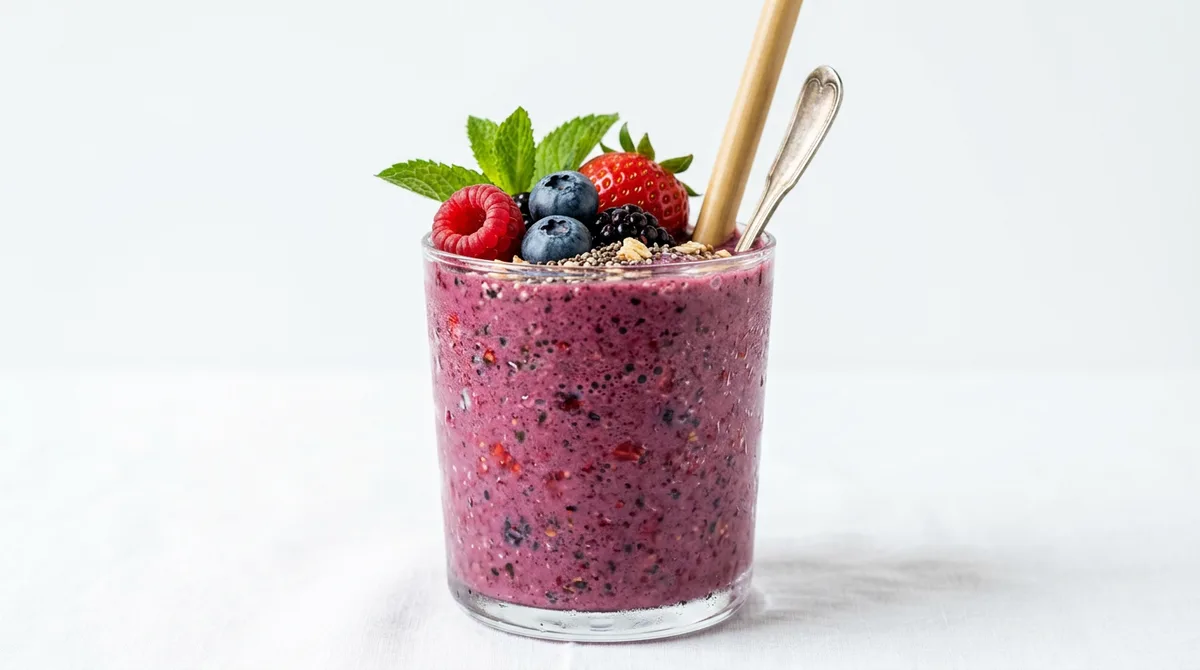
Cannabis Drinks: Smoothies, Tea, Golden Milk & Recipes
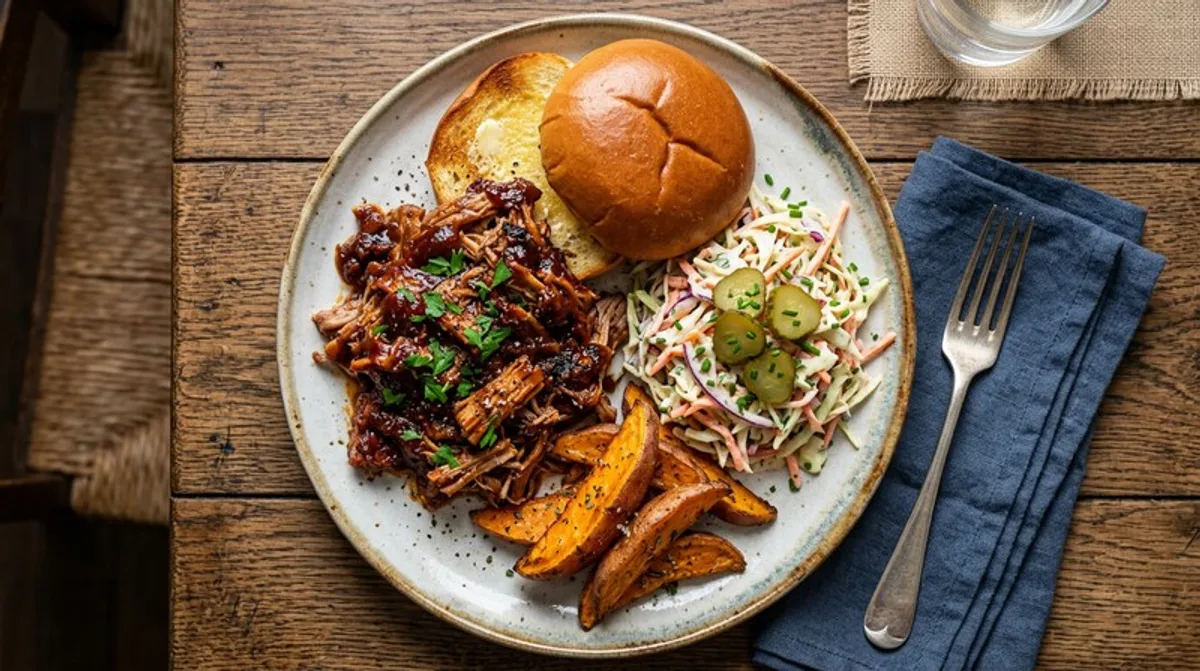
Cannabis Grillen: BBQ, Marinaden & Rezepte für den Sommer
Infused Kitchen: Cannabis recipes for baking, cooking, grilling & drinks

Social Media Ads: More Sales Through Targeted Online Marketing

Career start after studies: What recruiters are really looking for












Leave a Reply
Want to join the discussion?Feel free to contribute!